







The pear is one of the most popular fruits of all – mild, sweet, and incredibly versatile. If you're looking for something that's easy to digest, provides quick energy, and is perfect for fresh snacks or warm dishes, then the pear is your friend.
This encyclopedia article explains what makes the pear special, how it works, and how you can best use it in your kitchen.
What is the pear?
The pear is a pome fruit and closely related to the apple – however, it is much softer, sweeter, and easier on the stomach. It is cultivated worldwide, especially in regions with mild climates.
Whether as a snack, in compote or in a smoothie: pears are true all-rounders.

What do you do with pears?
You can eat pears fresh, steam them, bake them, purée them, juice them, or use them in chutneys, salads, and desserts. Thanks to their natural sweetness, you often need less added sugar – a plus for a healthy diet.
THIS IS WHAT YOU SHOULD KNOW ABOUT PEARS
- Soothing for the stomach
- Naturally sweet and mild
- Season: August–October (some varieties available for longer)
- High in fiber
- Good for smoothies & juices
- Very rich in water
- Filling, but light
- Can quickly develop pressure sores
Nutrients & Effects
Pears are mild, but rich in valuable nutrients:
- Dietary fiber (especially pectin): good for digestion and satiety
- Potassium: supports heart & muscles
- Vitamin C: strengthens the immune system
- Folate & B vitamins: important for nerves & metabolism
- Secondary plant compounds: antioxidant & cell-protecting
They are also alkaline, gentle on the stomach, and perfect for anyone with sensitive stomachs.
Taste & Texture
Pears taste good:
- mildly sweet, slightly floral
- tender & juicy, often buttery soft
Ideal for:
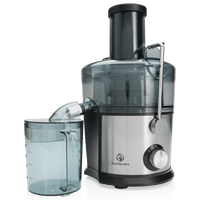
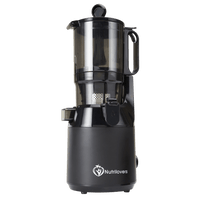
- Smoothies & Juices (with your slow juicer or juicer)
- Purees & baby porridge (with a multi-chopper or blender)
- Salads, cakes, waffles, oatmeal, stir-fries
Purchasing & Storage
Recognizing maturity:
- Smooth skin, no large pressure marks
- Light fragrance
- Slightly flexible at the top of the stem
Durability:
- In the refrigerator: 3–5 days
- They mature faster at room temperature.
- Sensitive to pressure – best stored at the top of the refrigerator.
Tip: Unripe pears ripen better next to apples or bananas.
Use in the kitchen
Pears are extremely versatile:
Classic applications
- pear compote
- Pear with cinnamon
- pear cake
- As a snack for children
- In a salad with nuts & cheese
Creative ideas
- Pear smoothie with spinach or basil
- Pear chutney for savory dishes
- Oven-baked pears with honey
- Pear puree as a natural sweetener
- Pear juice in a slow juicer – super smooth & aromatic
Smart use of kitchen appliances
- Multi-chopper → for pear puree, toppings, baby food
- Smoothie blender → creamy pear smoothies
- Slow juicer → clear, light pear juice
- Baking equipment → Pear cake or pear chips
Fun Facts
- Pears are among the oldest cultivated fruits in the world.
- Many varieties become softer as they ripen, but not more intensely sweet.
- Pears are one of the most stomach-friendly fruits.
Conclusion – Why you should eat pears more often
Pears are mild, healthy, rich in fiber, and incredibly versatile. Whether eaten fresh, in a smoothie, juice, or cake – they fit perfectly into any kitchen. If you want to eat light, naturally sweet, and healthier meals, pears should definitely be a part of your daily routine.