



Beans are among the most nutrient-dense foods available. They provide plenty of plant-based protein, keep you feeling full for a long time, and are incredibly versatile – whether fresh, dried, or canned. For a balanced, fiber-rich diet, beans are true everyday heroes.

What are beans?
"Beans" encompasses a large group of legumes: green beans, white beans, kidney beans, black beans, borlotti & Co.
Although they differ visually, they have one thing in common: they are nutrient-rich, healthy and ideal for anyone who wants to eat a higher-protein and plant-based diet.
THIS IS WHAT YOU SHOULD KNOW ABOUT Beans
- Filling & high in fiber
- Very high in protein
- Good for digestion and gut flora
- Can be poisonous when raw – always cook!
- Alkaline after cooking
- Season: Depending on the variety – fresh beans from summer to autumn, dried beans year-round
- Good for meal prep
- Ideal for vegan and vegetarian diets
Nutrients & Effects
- Beans are among the most nutrient-dense foods:
- Plant-based protein: ideal for muscles & energy
- Dietary fiber: promotes digestion, keeps you feeling full for longer, stabilizes blood sugar
- Folic acid: important for cell health
- Magnesium & potassium: good for muscles & nerves
- Iron: important for blood & energy
- B vitamins: support metabolism & nervous system
Health benefits:
- Supports gut flora & digestion
- Highly satiating → good for weight control
- Stabilize blood sugar
- Provide long-lasting energy
- Good for your heart and cholesterol levels
Taste & Texture
The taste depends on the variety – from mild and nutty (white beans) to aromatic (kidney beans) to green and fresh (bush beans).
Consistency:
- soft & creamy after cooking
- Firm to the bite when cooked for a shorter time
- Perfect for soups, purees, salads and stews
Purchasing & Storage
Fresh:
- plump, juicy pods
- no dark spots
- crisp when broken
Dried:
- very long shelf life (1-2 years)
- Store in a cool, dry, and airtight place
Cooked beans (canned/jarred):
- Keeps for 2-3 days in the refrigerator
- Always rinse thoroughly before use.
Nutritional values per 100 grams (average, cooked)
- Energy value: approx. 110–130 kcal
- Protein: 7–9 g
- Carbohydrates: 15–20 g
- Fat: 0.5–1 g
- Dietary fiber: 5–7 g
(Vary slightly depending on the variety.)
Use in the kitchen
Beans are extremely versatile:
Classic
- Stews & Soups
- Chili, lentil dishes, bean stew
- Salads
- Side dishes & stir-fries
Creative
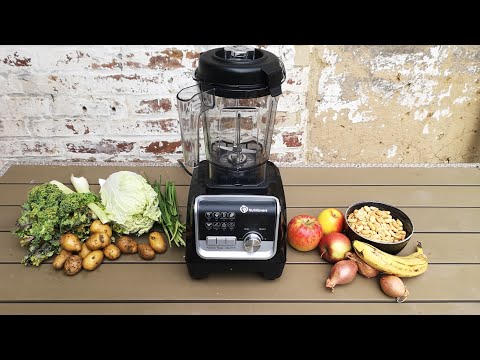
- Bean puree (in a blender)
- High-protein vegan burgers (with a food processor)
- Bean cream as a bread spread
- Sweet white bean dessert (yes, it works!)
- Vegan "cheese" sauce made from white beans
For smoothies / slow juices / baking
- White beans make smoothies beautifully creamy
- Black beans are suitable for a healthy protein brownie recipe.
- Their high nutritional value makes them perfect for meal prep.
Working with kitchen appliances
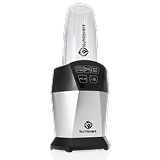
- Stand mixer: extra creamy bean creams, soups, dips
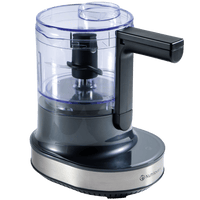
- Multi-chopper: vegan mince, bean burgers, pastes
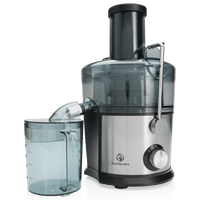
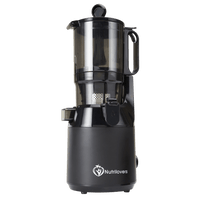
- Slow juicer: less suitable – beans are not very juicy
- Bread machine: Doughs with bean puree for more moisture and protein
Fun Facts
- Many beans are poisonous when raw; they only become edible through cooking.
- Beans have been a staple food in Central and South America for over 7,000 years.
- Beans are so rich in protein that they are often referred to as the "meat of the future".
Conclusion – Why you should eat beans more often
Beans are true nutritional powerhouses: high in protein, filling, versatile and perfect for a healthy, plant-based diet.
Whether in soups, salads, dips or burgers – they fit into almost any dish.
With appliances like blenders or multi-choppers, you can get even more out of them and conjure up super creamy or protein-rich dishes.