






Cauliflower is one of the world's most popular vegetables – not only because of its mild flavor, but also because it's incredibly healthy, low in calories, and incredibly versatile. Whether boiled, baked, or even in a smoothie, cauliflower can do so much more than you might think.

What is cauliflower?
Cauliflower is a member of the brassica family, consisting of many small, closely packed florets. It is naturally mild in flavor, easily digestible (when cooked), and ideal for a healthy, varied diet.
With its high nutrient density and low calorie content, it is perfect for anyone who wants to eat lighter, more alkaline and more natural foods.
What is cauliflower used for?
Cauliflower is suitable for:
- Soups and creams
- Oven dishes
- Vegetable stir-fries
- Low-carb alternatives (e.g. rice, mashed potatoes or pizza base)
- Smoothies or juices (for advanced users)
- Raw food – however, it can cause bloating.
THIS IS WHAT YOU SHOULD KNOW ABOUT CAULIFLOWER
- Low in calories & filling
- Basic
- Good for juice (but low juice yield)
- Easily digestible – cooked
- Easily combined
- Raw often causes bloating
- Season: May–November
- Strong cabbage smell when cooking
Nutrients & Effects
Cauliflower has an impressive range of nutrients – despite its low calorie count:
- Vitamin C: strengthens the immune system & skin
- Vitamin K: important for bones
- B vitamins: good for energy & nerves
- Folic acid: particularly valuable for cell health
- Dietary fiber: promotes digestion and satiety
- Antioxidants: protect cells
It is also alkaline, easily digestible, helps to keep blood sugar stable and is ideal for a balanced diet.
Taste & Texture
Cauliflower tastes good:
- mild
- slightly nutty
- pleasantly soft after cooking
Consistency:
- soft & creamy when cooking
- crispy in the oven
- coarse-grained if you process it into "rice" in a food processor
Purchasing & Storage
You can recognize fresh cauliflower by:
- firm, closed head
- white to cream-colored rosettes
- crisp, green leaves
- no unpleasant odor
Storage:
- In the refrigerator: Keeps for 3–5 days
- Always leave the leaves on – they protect against drying out.
- Store cooked cauliflower in the refrigerator for a maximum of 1 day.
Use in the kitchen
Cauliflower is a true all-rounder.
Classic applications
-
Cauliflower soup
-
Steamed rosettes
-
Cauliflower casserole
-
Mashed potatoes as a potato alternative
Creative ideas
- Cauliflower rice (in a food processor)
- Oven-baked cauliflower steaks
- Cauliflower pizza
- Roasted cauliflower with curry
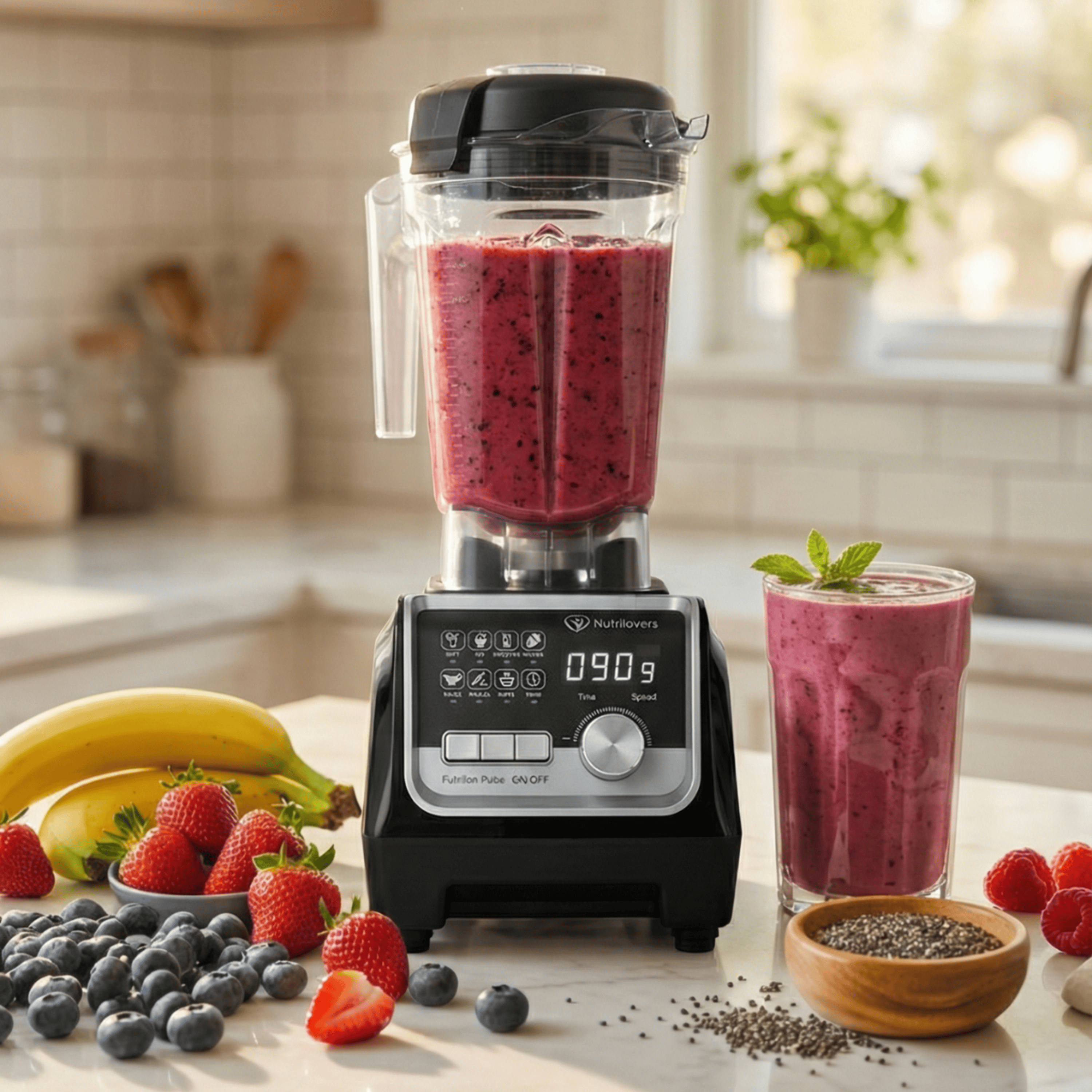
- Cauliflower smoothie (mild & creamy, perfect with banana)
- Cauliflower juice in a slow juicer → little juice, but very nutrient-rich
Smart use of kitchen appliances
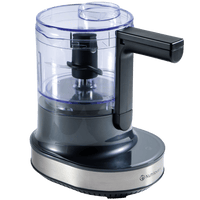
- Multi-chopper: Cauliflower rice, purée base, vegan mince alternative
- Juicer / Slow Juicer: intense, nutritious vegetable shot
- Baking equipment: Cauliflower pizza, oven dishes
- Steam cooker: particularly gentle & nutrient-rich
Fun Facts
- Cauliflower consists of approximately 92% water.
- There are also colorful varieties – purple, orange and green – with a similar taste.
- The strong smell during cooking is caused by natural sulfur compounds.
Conclusion – Why you should eat cauliflower more often
Cauliflower is light, healthy, low in calories, and extremely versatile. Whether in soups, as a low-carb side dish, roasted, or in a smoothie – you can integrate it into almost any diet. With its alkalizing effect and many vitamins, it's a true superfood.