








St. John's wort (Hypericum perforatum) is a wild and medicinal plant known for centuries, primarily used in natural medicine. Unlike fruits or vegetables, St. John's wort does not play a main role in everyday cooking, but it can be processed purposefully and consciously – especially for teas, oil extracts, or herbal blends.

Season & Origin
- Season: June–August
- Regionally available
- Wild plant
- Fresh only usable seasonally, otherwise dried
Properties & Special Features of St. John's Wort
St. John's wort is traditionally valued for its properties:
- Anti-inflammatory
- Liver-supporting
- Proven in natural medicine
- Regional & seasonal
⚠️ Important to know:
- Not suitable for pregnant women
- May increase UV sensitivity
- Interactions with medications possible
- Not a classic food
St. John's Wort in the Kitchen & Processing
(clear focus on meaningful applications)
Food Processor & Blender (gently)
Suitable for:
- coarsely chopping dried leaves & flowers
- herbal blends for tea
- combination with mint, lemon balm or chamomile
👉 Tip: Blend briefly, do not finely purée – active ingredients are sensitive to heat and oxidation.
Tea Preparation (recommended)
The classic use:
- Dried St. John's wort
- Hot, not boiling water
- Steeping time approx. 5–10 minutes
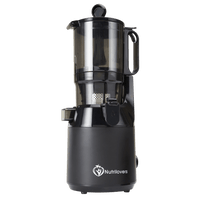
🚫 Juicer & Slow Juicer
❌ Not recommended
- Very little juice
- Bitter plant compounds
- No culinary added value
Ice Cube Machine
Not useful for St. John's wort alone
👉 At most for herbal mixed infusions (e.g., St. John's wort + lemon + mint)
Nutritional Values (theoretical, per 100 g)
- Calories: 31 kcal
- Protein: 0.6 g
- Carbohydrates: 5.2 g (0.8 g sugar)
- Fat: 2.1 g
- Fiber: 2.0 g
➡️ In practice, not relevant as food, but used functionally.
Conclusion: St. John's Wort – use consciously, do not consume daily
St. John's wort is not a classic ingredient for smoothies or juices, but a targeted medicinal and herbal plant. For herbal teas and blends, it can be prepared meaningfully with a food processor or blender – always with knowledge and moderation.
👉 Ideal for a holistic food & herb blog that also considers traditional plants.