








You either love it or hate it – there's little in between. Garlic is indispensable in the kitchen and adds that certain something to almost every savory dish. But did you know that this small white bulb is one of the oldest medicinal plants in the world? Find out here why it's worth reaching for a clove more often (and accepting the resulting breath!).

What you should know about garlic
Garlic belongs to the allium family and is closely related to onions and chives. Especially great: you can get it regionally. The local season for fresh garlic is between July and September. During this time, the bulbs are still juicy and slightly milder than the dried stored goods you find the rest of the year.
Nutrients & Effects
(Here you insert your Canva food card)
A look at the graphic above immediately tells you: garlic is a true heart protector. It is known to lower cholesterol and can help prevent arterial plaque buildup.
In addition, it is rich in antioxidants and has a strong immune-boosting effect. When a cold is brewing, garlic is often the first choice. Your metabolism is also significantly stimulated by its pungent ingredients.
Taste & Texture
Raw garlic is crunchy, extremely sharp, and pungent. When cooked, however, it transforms completely: it becomes soft, almost creamy, and develops a sweet, nutty note. The only downside is the strong odor caused by the allicin it contains. But don't worry: for the health benefits, it's totally worth it.
Preparation with kitchen appliances
Garlic is versatile, but it has its peculiarities. As your graphic already warns: it's not suitable for smoothies – nobody wants to drink a garlic-banana shake! But it shines in other areas:
- Air Fryer: An absolute insider tip! Place a whole head of garlic (lightly sliced at the top) in the air fryer. The result is butter-soft, roasted garlic that you can simply squeeze out of its skin and spread on bread like butter.
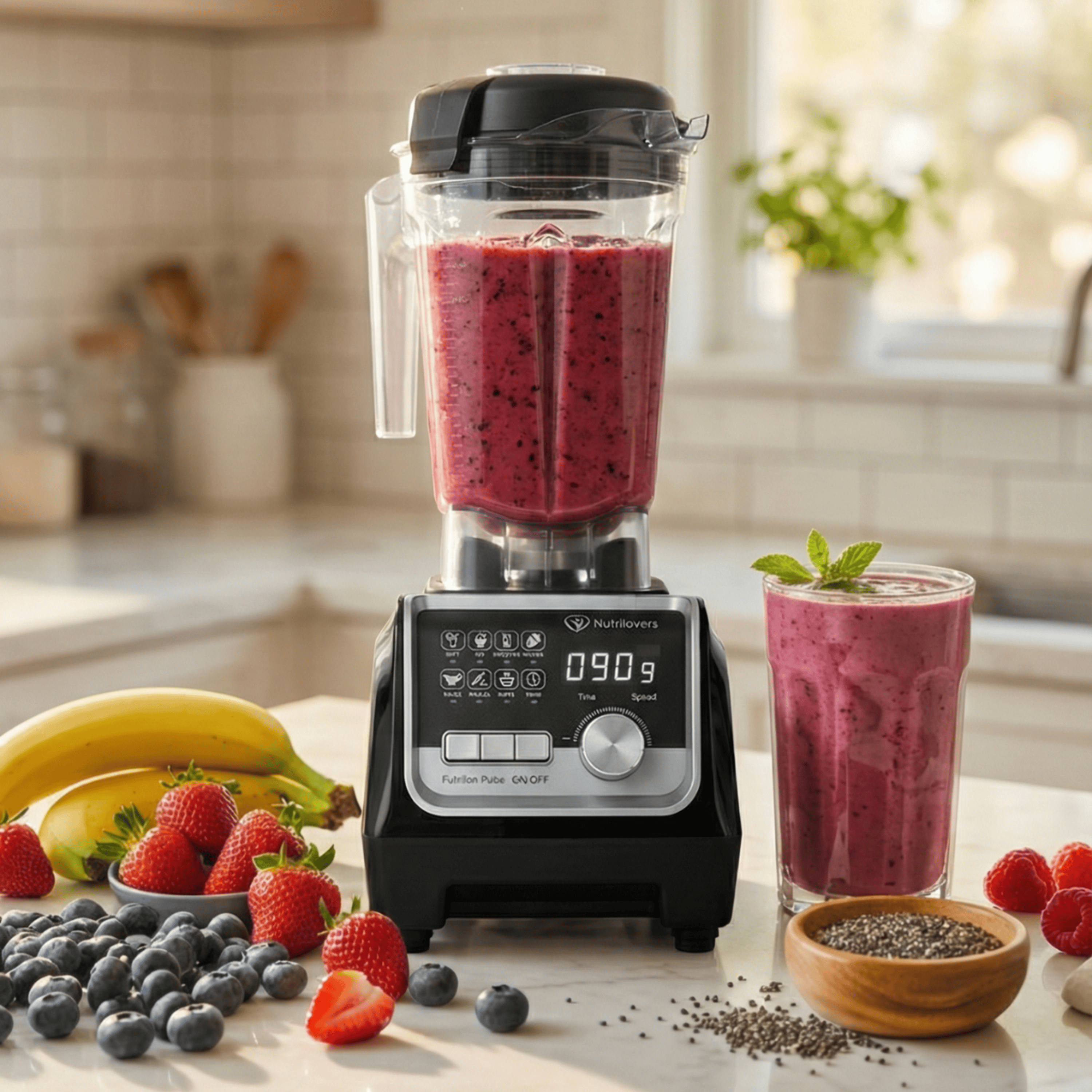
- Blender: Not for smoothies, but for sauces! For a classic pesto, aioli, or creamy hummus, your high-speed blender is perfect for finely pureeing the cloves and emulsifying them perfectly.
- Slow Juicer / Juicer: In small quantities (!) garlic is a powerful ingredient for wellness shots. Together with ginger, lemon, and apple, the slow juicer gently extracts the valuable oils from the clove. Caution: half a clove is usually more than enough.
- Bread Maker: Nothing beats the smell of freshly baked garlic bread. Add finely chopped or roasted garlic directly to the ingredients in your bread maker for a savory ciabatta or focaccia.
Purchase & Storage
Fresh garlic can be recognized by its green stems and slightly moist, white-violet skin. Dried garlic should feel firm and not sound "hollow" when you press it.
Storage is key: Garlic likes it dry, dark, and airy. A terracotta pot with holes is ideal. In the refrigerator, it quickly starts to mold or sprout (unless preserved in oil).
Use in the kitchen
Garlic is the foundation for flavor depth:
- The Start: Almost every Italian or Asian dish begins with garlic in the pan.
- Marinades: Indispensable for meat, fish, or tofu, as it carries the flavor deep inside.
- Savior: If a dish tastes bland, often all it needs is a small clove of garlic (and salt).
Fun Facts
- Vampire Repellent: That garlic repels vampires is superstition – but insects (like mosquitoes) actually avoid the smell of people who have eaten a lot of garlic.
- Germ-Killer: In World War I and II, garlic juice was used as an antiseptic for wounds when antibiotics were scarce.
- Sweet Surprise: Black garlic is not a separate variety, but fermented white garlic. It's pitch black, odorless, and tastes like plums and licorice.
Conclusion
Although it's not suitable for smoothies and has a strong odor, the benefits far outweigh the drawbacks. With its heart-protective and immune-boosting power, garlic is a must for your health.
Use appliances like the air fryer for roasted enjoyment or the bread maker for savory baked goods to creatively incorporate the bulb into your daily routine.