







It's the epitome of the German vegetable garden: kohlrabi. Often known abroad as "German Turnip," we love the pale green bulb for its uncomplicated, fresh taste. Whether as a snack on the go or as a creamy side dish – kohlrabi is a true all-rounder. But did you know that it's also an alkaline superfood for your body?
What you should know about kohlrabi
Kohlrabi is a prime example of regional and seasonal shopping. Its main season extends over a long period from May to November. During this time, it tastes best and has traveled the shortest distances.
Unlike many other cabbage varieties, the thickened bulb grows above ground. This makes it easier to harvest, but also more susceptible to dryness, which can quickly lead to woody spots.
Nutrients & Effects

Let's take a look at the graphic: Kohlrabi is extremely low in calories – with only 24 calories per 100 grams, you can indulge without guilt. It is also particularly rich in vitamin C, which strengthens your immune system.
For anyone concerned about their acid-base balance: kohlrabi has an alkaline effect in the body and thus helps to counteract over-acidification.
Taste & Consistency
Fresh kohlrabi is crunchy, juicy, and has a slightly sweet and nutty aroma reminiscent of radishes, but much milder. It's good to eat raw – for many, it's the preferred way to enjoy it.
However: Not everyone likes it raw, as the essential oils can cause discomfort for some stomachs. Cooked, however, it becomes buttery soft and even milder.
Preparation with kitchen appliances
Kohlrabi is incredibly adaptable in modern cuisine:
- Slow Juicer / Juicer: Kohlrabi is surprisingly juicy and therefore well-suited for juicing. The juice is mild and sweet. It's best combined with apple and a little lemon for a refreshing detox drink.
- Air Fryer: The ultimate low-carb hit is kohlrabi fries! Cut the bulb into sticks, toss them in a little oil and paprika powder, and air fry them until crispy. A healthy alternative to potatoes.
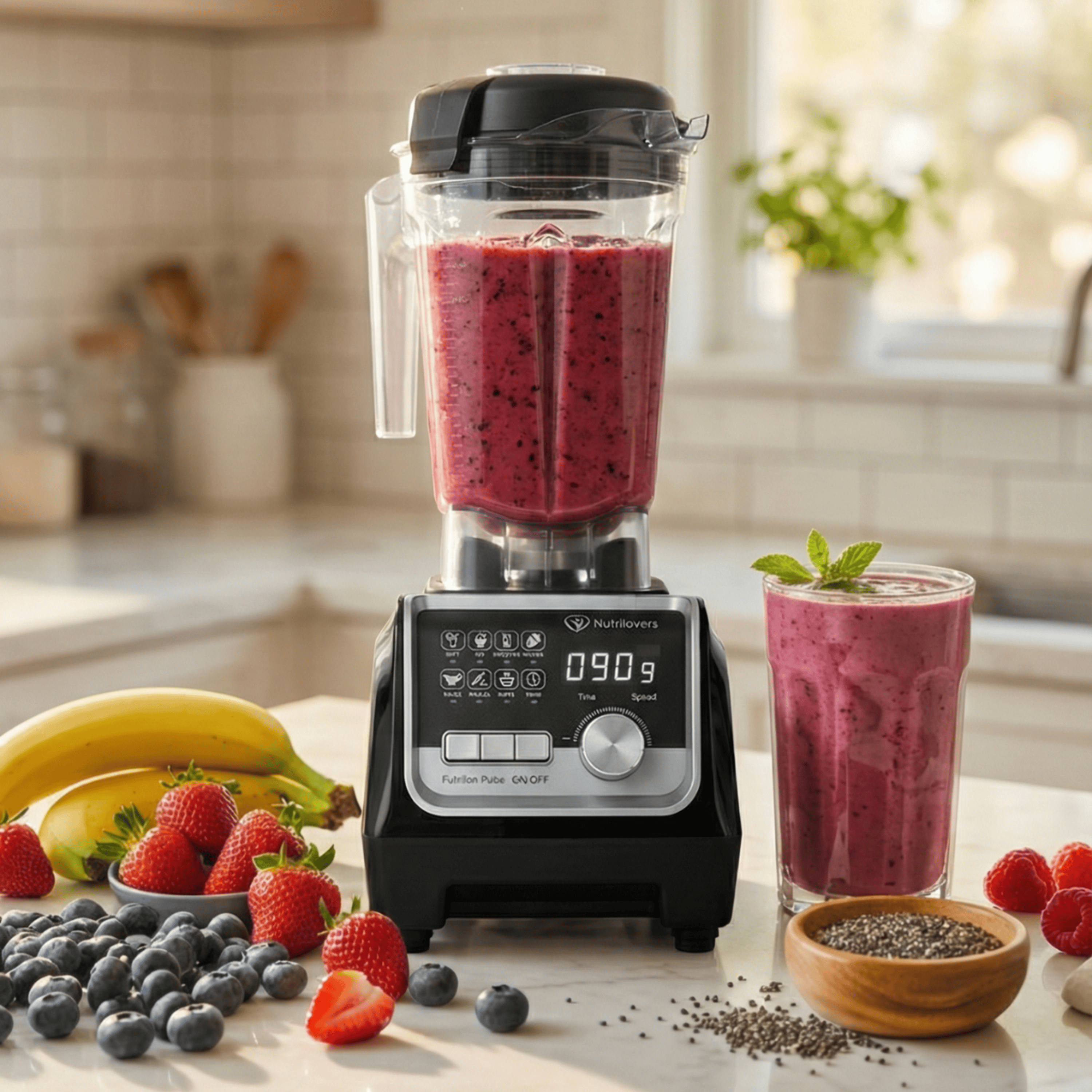
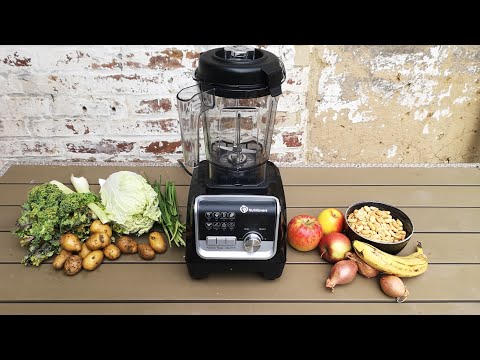
- Blender: For a quick, cold soup (Gazpacho-style) or as a base for creamy sauces, you can puree kohlrabi in a high-speed blender. The nutritious leaves can also be perfectly processed into a green pesto here.
- Bread Maker: Do you want to make your bread moister without significantly changing the taste? Add finely grated kohlrabi to the dough in your bread maker. It keeps the bread fresh for a long time.
- Ice Cube Maker: Juiced too much kohlrabi? Freeze the juice in an ice cube maker. These cubes are ingenious flavor boosters for sauces and soups when you're in a hurry.
Shopping & Storage
The freshness test is simple: The leaves must be firm and dark green, the skin smooth and undamaged. Large bulbs tend to be woody, so it's better to choose smaller specimens.
One disadvantage is that kohlrabi becomes woody when stored. Therefore, store it in the refrigerator's vegetable compartment, but first remove the leaves (these extract moisture from the bulb). It's best to consume it within a few days.
Use in the kitchen
- The snack: Simply peel, cut into wedges, and dip – a classic.
- Cooked: In a light béchamel sauce as a side dish to potatoes and meatballs (like at grandma's).
- Stuffed: Hollowed out and filled with minced meat or rice, then braised in the oven.
Fun Facts
- Worldwide Name: Since kohlrabi is a uniquely German cultivated variety, it is actually called "Kohlrabi" in many languages (English, Russian, Japanese).
- Leaf Power: Don't throw away the leaves! They contain almost twice as much vitamin C as the bulb itself. Chop them finely and use them like parsley.
- Super Fast: Kohlrabi is one of the fastest growing vegetables in the garden. It is ready for harvest just 8 to 12 weeks after sowing.
Conclusion
Kohlrabi is the perfect snack: low in calories, regional, and full of vitamins. Although it quickly becomes woody when stored, if you enjoy it fresh – whether as kohlrabi fries from the air fryer or freshly pressed from the slow juicer – you're doing your body good.