






As soon as the leaves change color and the days get shorter, it glows at us from the supermarket and roadside: the pumpkin. It is the ultimate symbol of autumn and Halloween. But beyond spooky faces, pumpkin is a culinary highlight that is incredibly versatile. Here's why you should definitely add the orange giants to your menu.
What you should know about pumpkin
The pumpkin is a real heavyweight among vegetables – but botanically speaking, it's actually a berry (a pepo)! It is regionally available and has its classic peak season in autumn, more precisely from September to November.
There are hundreds of varieties, from the giant Yellow Centner to the small Hokkaido. They almost all have one thing in common: they are robust, storable and add color to your plate when it's gray outside.
Nutrients & Effects

Pumpkin is guilt-free soul food. As you can see above, it is alkaline, which makes it ideal for counteracting acidosis in the body. It is also rich in fiber – which keeps you full for a long time and benefits your digestion.
With only a few calories and almost no fat, it is the perfect ingredient for light autumn cuisine, yet still provides important nutrients like beta-carotene (a precursor to vitamin A).
Taste & Texture
Pumpkin is characterized by its firm flesh, which becomes buttery soft when cooked. The taste is mildly sweet and slightly reminiscent of nuts or chestnuts.
An important note from your graphic: Pumpkin is generally not edible raw. While there are exceptions (like very young Hokkaidos), most edible pumpkins are hard and difficult to digest before being cooked. Only through heat do they develop their full aroma.
Preparation with kitchen appliances
Since the flesh is very firm, strong kitchen aids are particularly useful here:
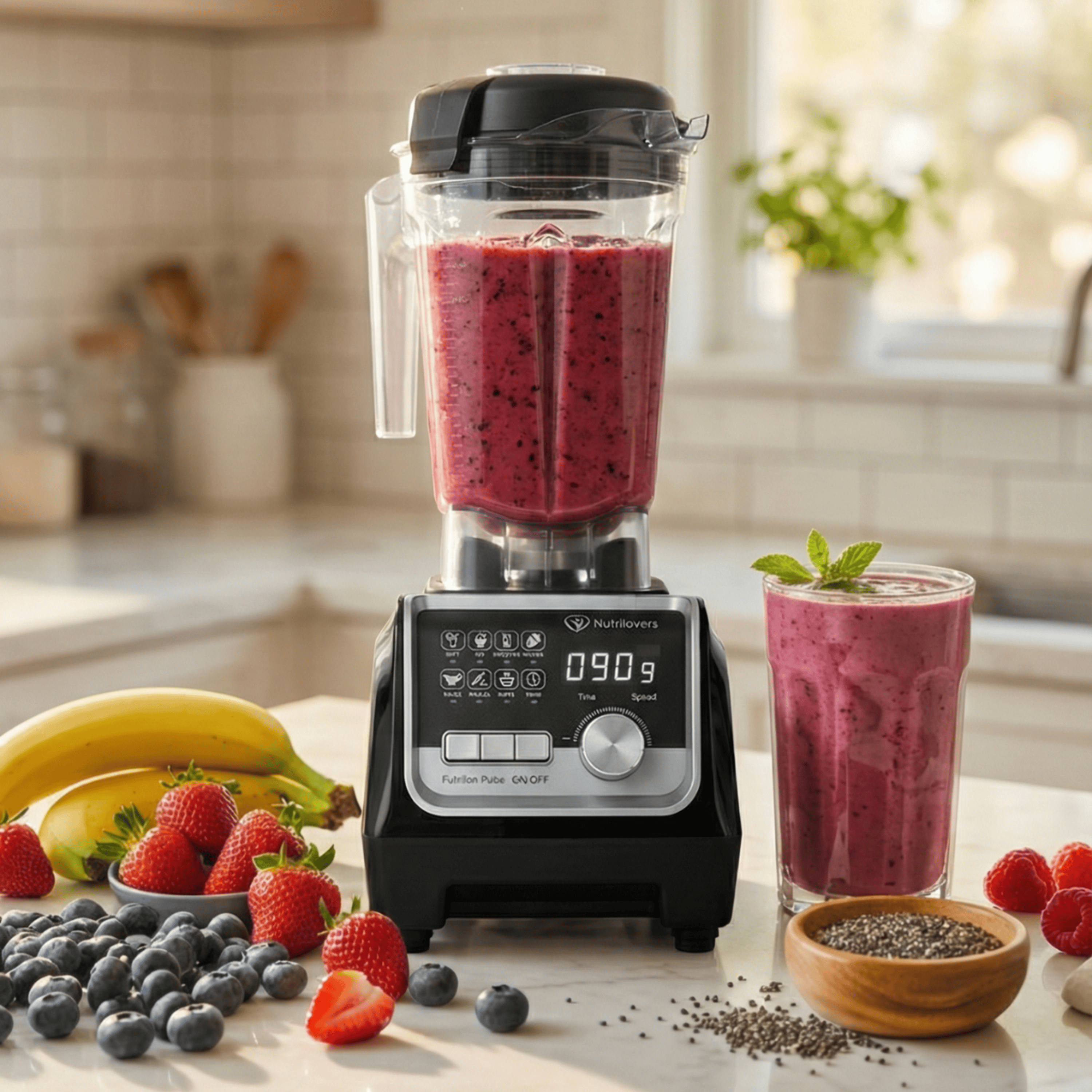
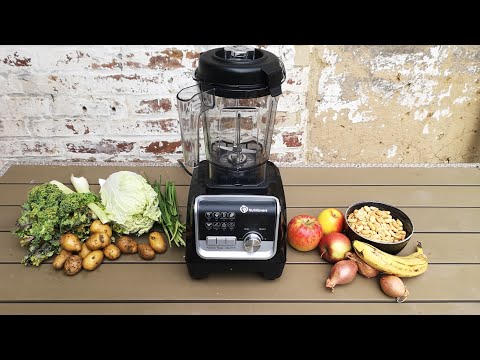
- Blender: The classic, of course, is pumpkin soup – and according to your graphic, pumpkin is well suited for soups! Your blender purees the cooked pumpkin into a velvety, creamy soup that warms you from the inside.
- Air Fryer: Pumpkin wedges from the air fryer are a delight. Slightly caramelized on the outside, soft on the inside. Simply mix with a little oil and rosemary and bake until crispy – faster than in the oven!
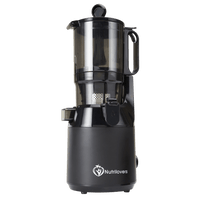
- Slow Juicer / Juicer: Juicing raw? Yes, that's possible with a powerful device! Pumpkin juice (mixed with apple and carrot) is a vitamin booster. The slow juicer can also handle the hard flesh.
- Bread Maker: A moist pumpkin bread or a hearty pumpkin seed bread turns out perfectly in the bread maker. You can add pumpkin puree directly to the dough – this provides a great color and long-lasting freshness.
- Ice Cube Maker: The hack for all "Pumpkin Spice Latte" fans: Freeze pumpkin puree in your ice cube maker. This way, you always have a portion ready to stir into your hot coffee or sauces.
Shopping & Storage
You can recognize a ripe pumpkin by the tapping test: if it sounds hollow, it's ripe. The skin should be intact and the stem woody/dry.
Pumpkins are storage artists. Uncut, they can last for months in a cool place (e.g., cellar). Once cut, you should store them in the refrigerator and use them quickly, otherwise they will start to mold.
Use in the kitchen
Pumpkin is a master of disguise:
- Savory: As a puree, in risotto, as roasted vegetables or stuffed with minced meat.
- Sweet: In the USA, "Pumpkin Pie" is a cult classic. The sweet aroma also fits perfectly in muffins or pancakes.
- Seeds: Don't throw away the seeds! Roasted, they are a healthy snack or a crunchy topping for your soup.
Fun Facts
- Record-breaking: Pumpkins can grow to gigantic sizes. The world record is over 1,000 kilograms for a single pumpkin!
- Halloween origin: The custom of carving pumpkins originally comes from Ireland – although turnips were used there in the past. In the USA, immigrants then switched to the much more readily available pumpkin.
- Time-honored: The pumpkin is one of the oldest cultivated plants in the world and was grown over 8,000 years ago in Central and South America.
Conclusion
Pumpkin is the king of autumn: regional, seasonal, and wonderfully versatile. Whether classic as a soup from the blender – for which it is well suited – or as a snack from the air fryer: its alkaline properties are good for your body. Just remember to cook it, as it is usually not edible raw.