









It shines as intensely yellow as the sun and has caused a real hype in recent years: turmeric. Whether as a trendy "Golden Milk" in a café or as the base for any good curry – the yellow root is everywhere. But turmeric is much more than just a splash of color. Here you will learn why this tuber is considered one of the most potent natural remedies and what you absolutely need to consider when handling it.
What you should know about turmeric
Turmeric, also known as curcuma, belongs to the ginger family – and it looks like it too. It is available all year round, so you can always rely on its power.
However, caution is advised when processing: the root is extremely strong in color. What looks great in curry is a nightmare on your white blouse or wooden cutting board. A tip upfront: It's best to wear gloves when cutting!
Nutrients & Effects

Take a look at the list of benefits in the graphic – turmeric is a true all-round protector for your body. It has strong antioxidant properties and thus intercepts harmful free radicals. It is particularly valued because it stimulates metabolism and has a detoxifying effect – ideal for a detox cure.
Your stomach will also be happy: turmeric is digestive-friendly and often helps against bloating. It is also known to strengthen the immune system, which makes it particularly valuable during cold season.
Taste & Consistency
Outwardly, turmeric resembles ginger, but its interior is intensely orange-yellow. Its taste is unique: spicy, slightly earthy, and a little bitter.
An important note from your overview: Turmeric is not edible raw. This means you shouldn't just munch on it like a carrot. It needs fat and heat or processing (e.g., in juice) to be digestible and unleash its full effect.
Preparation with kitchen appliances
Since turmeric is rarely eaten plain, your kitchen appliances are crucial for integrating it into everyday life:
- Slow Juicer / Juicer: The ultimate health kick! Press small pieces of turmeric together with oranges, lemons, and ginger. Vitamin C aids absorption. Caution: Rinse the juicer immediately, otherwise it will remain yellow forever!
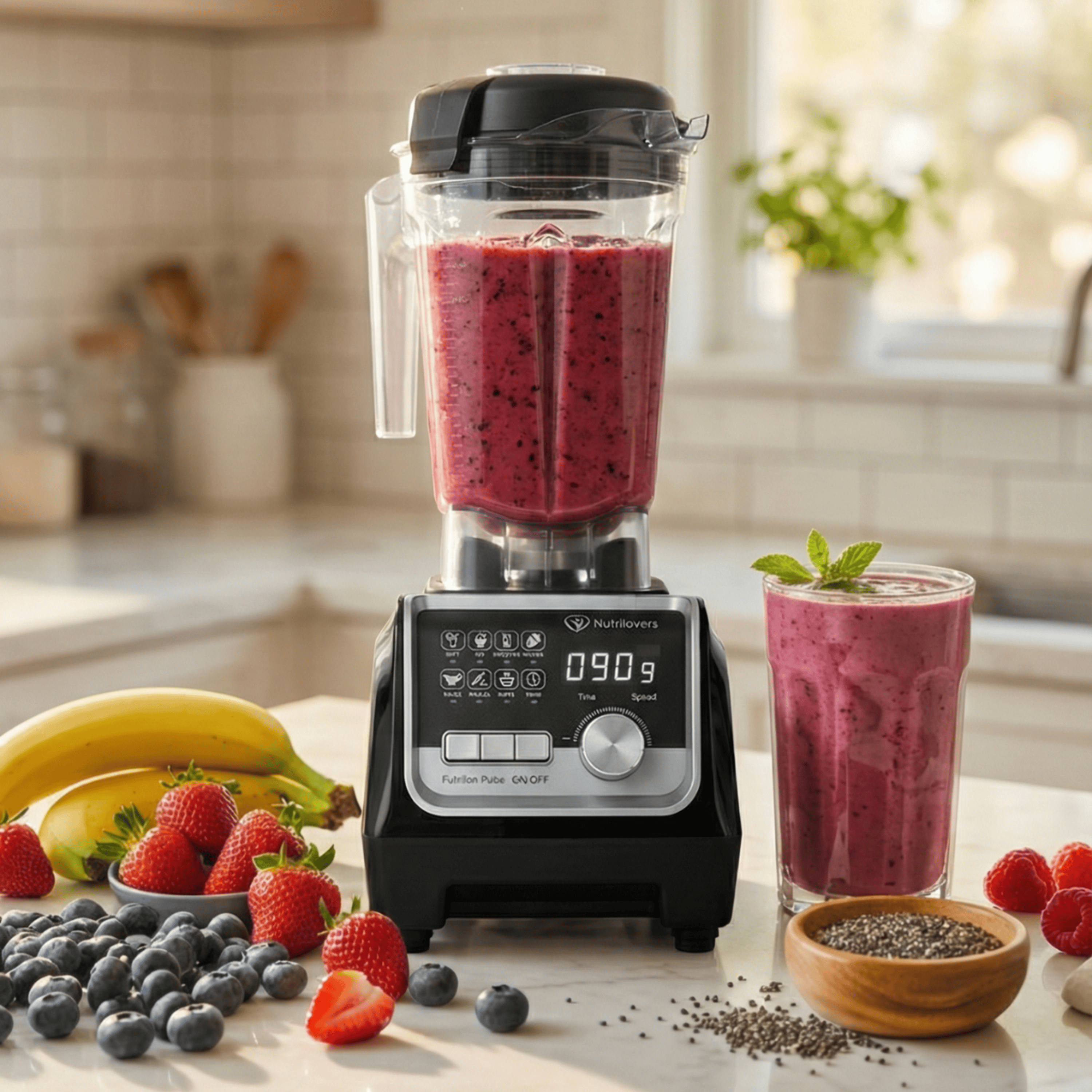
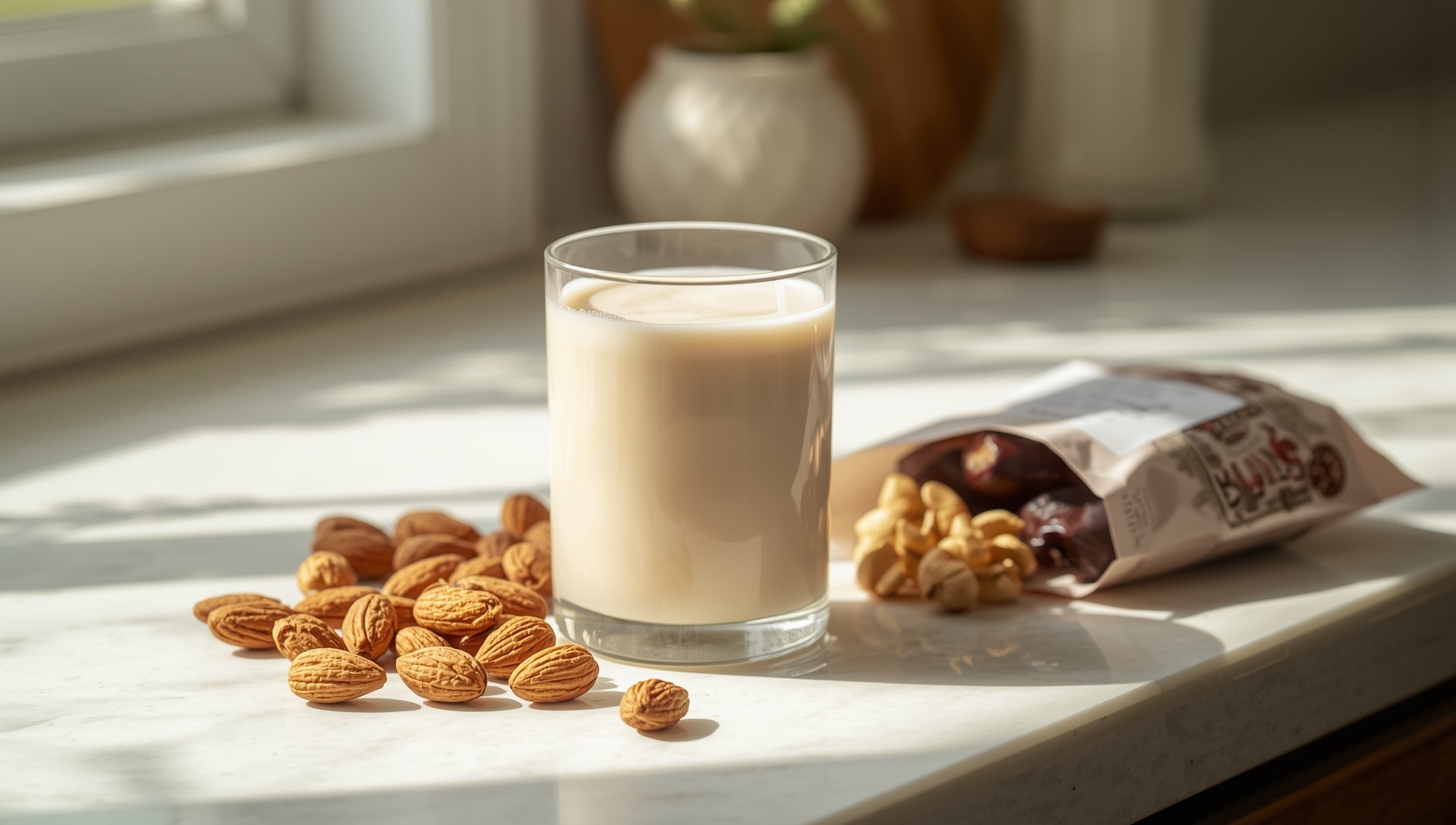
- Blender: This is where the famous "Golden Milk" (Turmeric Latte) is perfectly made. Blend plant-based milk, turmeric (fresh or powder), a little pepper, and oil until frothy. The pepper is important for your body to absorb the curcumin.
- Air Fryer: You can dry thin turmeric slices to make your own powder. Or you can add them to roasted vegetables (e.g., cauliflower) in the basket – the air fryer creates roasted aromas that mitigate the bitter note.
- Bread Maker: Would you like a visual highlight on your dinner table? Add some finely grated turmeric to the dough in your bread maker. The bread will be wonderfully golden yellow and get a subtle, exotic note.
- Ice Cube Tray: Since you often only need small quantities, this is the best hack: Juice a larger amount of turmeric and freeze the highly concentrated juice in an ice cube tray. This way, you always have a portion of "immune booster" ready for tea or sauces.
Purchase & Storage
Fresh turmeric should be firm and not shriveled. If it bends like rubber, it's old.
Store the roots like ginger: cool, dry, and dark. In the refrigerator, they will keep for several weeks in an airtight container or paper bag. You can also easily freeze them and grate them frozen when needed.
Use in the kitchen
Turmeric is the heart of Asian cuisine, but it can do even more:
- Coloring agent: Consciously use its yellow coloring property to naturally color rice, noodles, or pancake batter.
- Scrambled eggs: A pinch of turmeric in scrambled eggs or tofu scramble ("Scrambled Tofu") provides a great color.
- Tea: Freshly brewed with hot water and honey.
Fun Facts
- The curry secret: Turmeric is the main ingredient of curry powder and gives it its typical color. So curry is not a plant, but a mixture!
- Sacred spice: In India, turmeric is considered sacred and is often used at weddings as a symbol of luck and protection.
- Litmus test: Turmeric reacts to pH values. In basic solutions, the yellow turns reddish – a fun experiment for the kitchen (e.g., with baking soda).
Conclusion
Turmeric is a powerful tool for your health: detoxifying, metabolism-stimulating, and immune-boosting. While it is strongly coloring and not edible raw in the traditional sense, when prepared correctly – for example, as a shot from the slow juicer or as a golden ingredient in the bread maker – it brings sunshine and well-being into your body.