










It shines in red, yellow, and brilliant white from the vegetable patch and was almost forgotten for a long time: chard. It is often called the "better spinach," but that hardly does it justice. Chard is a distinct, aromatic vegetable that is not only a visual highlight but also boasts inner values. Here's why you should definitely try these colorful stalks.
What you should know about chard
Botanically, chard belongs to the amaranth family and is closely related to beetroot (even if it tastes more like spinach). Its season extends from May to October. During this time, you can get it fresh and locally sourced from the field.
There are broadly two types: stalk chard (with thick, fleshy ribs that are prepared like asparagus) and leaf chard (where the leaves are primarily used). It is robust and adds color to any kitchen.
Nutrients & Effects

Chard is a nutrient champion, but with a slight caveat. As you can see above, it is an excellent iron supplier and has blood-forming properties – perfect for fatigue or for a vegetarian diet. It also has detoxifying effects and supports your liver.
Thanks to its high potassium content, it is considered to lower blood pressure. Antioxidants are also abundant to protect your cells. An important note from your graphic: chard contains oxalic acid. People prone to kidney stones should therefore enjoy it in moderation and discard the cooking water.
Taste & Consistency
In terms of taste, chard is more intense and earthy than spinach, yet savory-nutty. The stalks are crisp and have a distinct bite, while the leaves soften when cooked.
A special note: chard is not suitable for everyone raw. Young, tender leaves (baby chard) are often used in salads, but mature chard should preferably be cooked due to its oxalic acid content and firmer fiber structure, making it more digestible.
Preparation with kitchen appliances
Your kitchen appliances are ideal for creatively processing the colorful stalks:
- Air Fryer: Chard chips are the crispy snack hit! Pluck the leaves from the stalks, mix them with a little oil and sea salt, and bake them in the air fryer until crispy. A healthy alternative to potato chips.
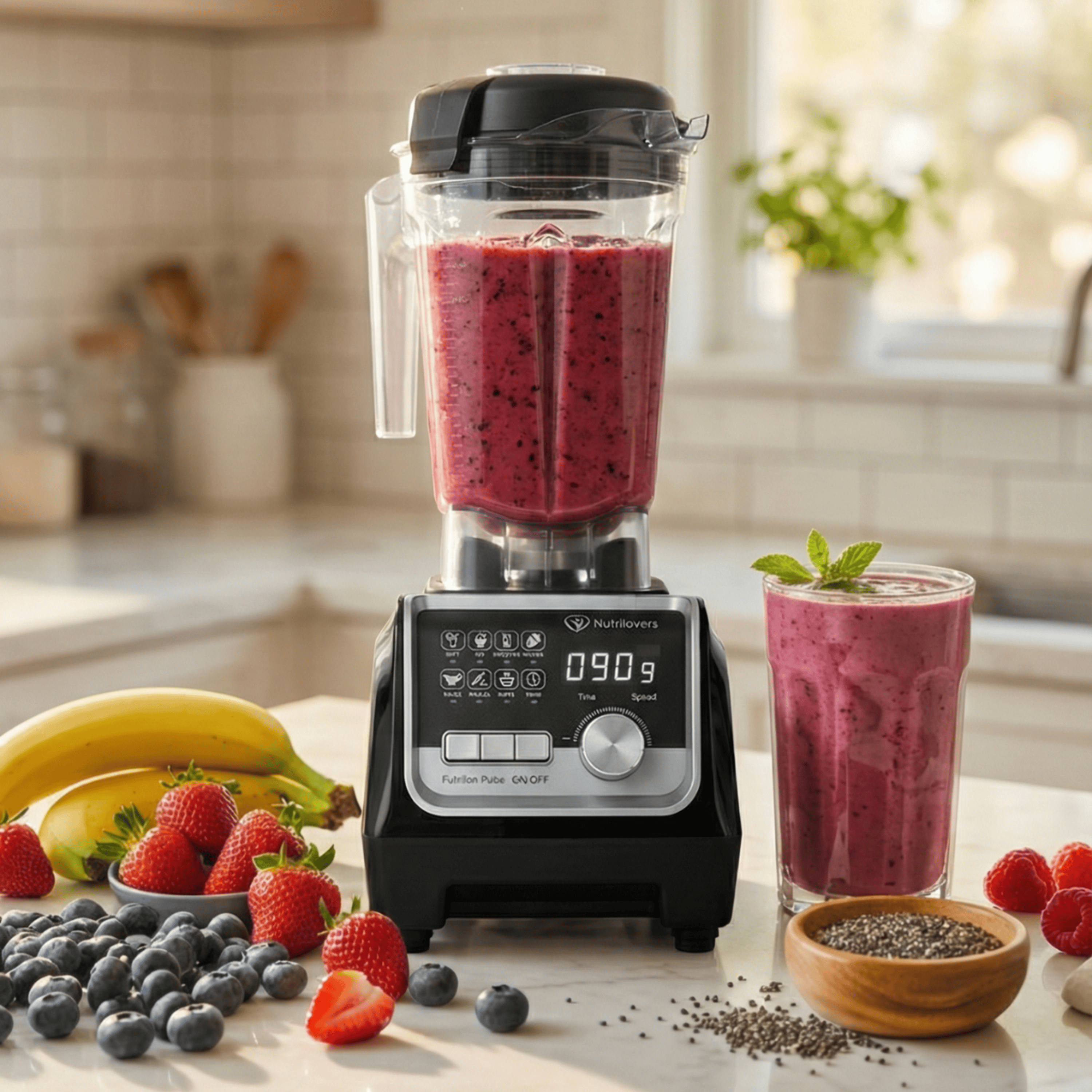
- Blender: Chard is great for green smoothies, as it has strong detoxifying properties. To reduce oxalic acid, you can blanch the leaves briefly before putting them in the blender.
- Slow Juicer / Juicer: A dark green juice made from chard, apple, and lemon is a power drink for your blood. The slow juicer gently extracts the vital nutrients from the fibrous stalks and leaves.
- Bread Maker: A hearty quiche or bread with steamed chard and feta is a delight. Add the prepared, well-squeezed chard directly to the dough or use the bread maker to prepare the dough for your chard tart.
- Ice Cube Maker: Briefly blanch the chard, purée it, and freeze it in an ice cube tray. These "green cubes" are perfect for quickly enhancing sauces or soups with a portion of iron and color later.
Buying & Storage
You can tell fresh chard by the snap of its stalk when broken. The leaves should appear plump and juicy, not wilted.
Unfortunately, it doesn't keep long. It's best to wrap it in a damp cloth and store it in the vegetable compartment. You should use it within 1-2 days, as it quickly loses vitamins and wilts.
Use in the kitchen
Chard is a 2-in-1 vegetable:
- The stalks: Take a little longer to cook. You can boil them like asparagus, gratinate them, or sauté them in a pan.
- The leaves: Are prepared like spinach – briefly blanched, in cream sauce, or as a filling for cannelloni.
- Wraps: The large leaves are excellent for roulades (chard wraps).
Fun Facts
- Displaced: Chard used to be very popular in Germany but was then displaced by spinach because spinach was easier to harvest mechanically and store better. Now it's making a comeback!
- Colorful deception: In ornamental gardens, chard is often planted just for its beauty – many don't even know it's edible.
- Root Secret: Since it is related to sugar beets, its roots also contain sugar but were historically used more as animal feed.
Conclusion
Chard brings color and health to your plate. It's a top iron supplier and has blood-forming properties, but due to its oxalic acid content, it should be consumed thoughtfully. Since it's not ideal for everyone raw, it's best to make crispy chips in the air fryer or use the slow juicer for a vitalizing juice.