









It looks like a cross between chard and a spoon, but tastes much finer than any native cabbage: Pak Choi (or Pak Choy). In Asia, it is a staple food, and it is also finding its way into our shopping baskets more and more often. No wonder, because hardly any vegetable is so uncomplicated and versatile. Find out why Chinese mustard cabbage is perfect for anyone who has little time but wants to be healthy.
What you should know about Pak Choi
Pak Choi is a close relative of Chinese cabbage, but it doesn't form firm heads, but rather loose rosettes with light stalks and dark green leaves.
A big plus: it is now also grown here. The local season runs from May to November. During this time, you can get it fresh from the field. If you buy it in winter, it is usually imported in winter, which is why seasonal purchase is particularly worthwhile for the environment.
Nutrients & Effects

If you're watching your weight, you'll love Pak Choi. A look at your graphic shows: It is extremely low in calories – with only 13 calories per 100 grams, it is a real lightweight. Nevertheless, it is rich in fiber, which ensures good satiety and digestion.
It also provides valuable antioxidants that protect your cells from harmful environmental influences. Since it is very rich in water, it also helps to support fluid balance.
Taste & Consistency
Unlike many other types of cabbage, Pak Choi does not have a strong cabbage smell. It has a very mild taste, slightly mustardy and fresh. The consistency is a highlight: The white stalks are extremely crunchy and juicy (similar to cucumber), while the green leaves are tender and quickly soften when cooked – similar to spinach.
Preparation with kitchen appliances
Since Pak Choi is quick to prepare, it fits perfectly into a stressful everyday life and with your kitchen appliances:
- Air fryer: A brilliant snack! Quarter the pak choi lengthwise, brush it with some sesame oil and soy sauce, and put it briefly in the air fryer. The leaves become crispy like chips ("Kale Chips" style), while the stalks remain firm to the bite.
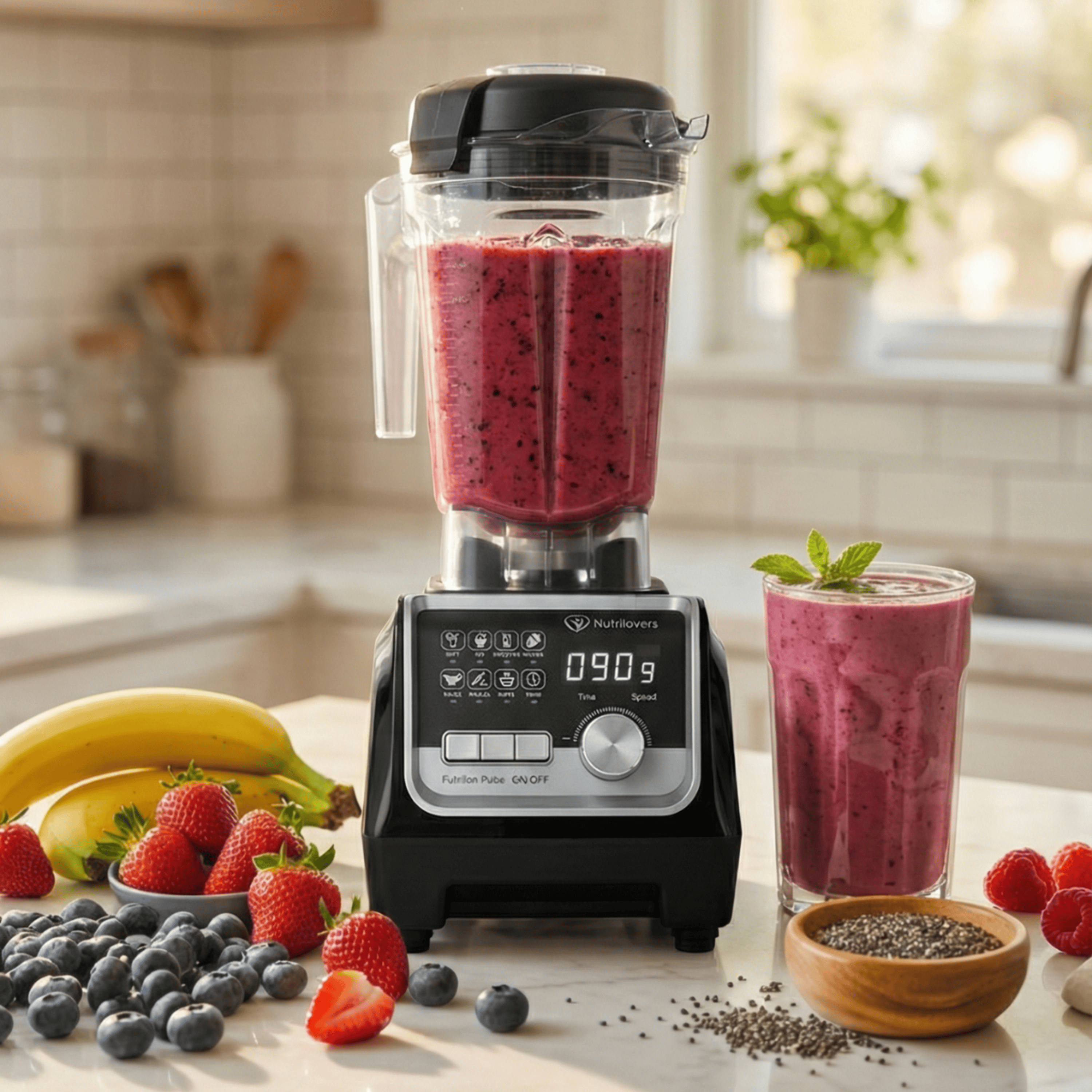
- Blender: Since it is mild in taste, Pak Choi is the ideal beginner vegetable for green smoothies. It makes the shake creamy and provides nutrients without dominating the fruit flavor.
- Slow Juicer / Juicer: The juicy stalks yield a large amount of liquid in the slow juicer. A green juice made from Pak Choi, apple, cucumber and lime is refreshing and not as tart as kale juice.
- Bread maker: Do you want to make your bread juicier? Add finely chopped pak choi (well drained) to the dough in your bread maker. This goes perfectly with an Asian-inspired bread with fried onions or sesame.
- Ice cube maker: Briefly blanch the leaves, purée them and freeze the purée in an ice cube maker. This way, you always have a portion of "greens" ready to instantly enhance Asian soups or sauces.
Shopping & Storage
When buying, look for plump, almost white stalks and juicy green leaves. If it has brown spots or looks wilted, leave it alone.
Caution is advised here: Pak Choi is sensitive to storage. It doesn't forgive long storage times. It is best to wrap it in a damp cloth and store it in the vegetable compartment – but use it within 1–2 days at the latest.
Use in the kitchen
Pak Choi's greatest strength is its flexibility:
- Pan/Wok: It is quick to prepare – just a few minutes of frying is enough to keep it crunchy.
- Combination: It is easy to combine with mushrooms, tofu, chicken, soy sauce, ginger and garlic.
- Raw: The tender inner leaves also taste excellent raw in salads.
Fun Facts
- Name: "Pak Choi" comes from Cantonese and simply means "white vegetable".
- Dutch love: The Netherlands is one of the largest Pak Choi producers in Europe – this is often where the goods come from when it is too cold here.
- Spoon Cabbage: Due to the shape of its stalks, it is sometimes affectionately called "spoon cabbage" in German.
Conclusion
Pak Choi is the perfect companion for modern cuisine: low in calories, mild in taste and extremely quick to prepare. It is easy to combine and fits into a blender just as well as into an air fryer. The only drawback: It is sensitive to storage and in winter often imported goods – so it is best to enjoy it fresh in season!