









It looks like a small palm tree in the vegetable patch and has long ceased to be an insider tip among gourmets: palm kale (also known as black kale or Cavolo Nero). While it is an integral part of cuisine in its native Italy, it is now conquering our hearts too. It is more delicate than our curly kale and a real visual highlight. We tell you why you should look out for its dark leaves here.
What you should know about palm kale
Palm kale is a typical winter vegetable with style. Its season is in the cold months from October to February. It is therefore seasonally available, albeit with a small caveat: it is unfortunately not available everywhere. You will usually find it at well-stocked farmers' markets or in organic shops.
Its name comes from its growth habit: the leaves grow upwards on a stem and hang slightly over – like a palm tree.
Nutrients & Effects

This kale is a weight-loss champion. With extremely few calories (only 19 kcal per 100g!), you can really dig in here. At the same time, it is rich in fibre, which ensures long-lasting satiety.
In terms of health, it scores full marks: palm kale has antioxidant properties and protects your cells. In addition, it is metabolised alkaline in the body, which is ideal for balancing the acid-base household in winter.
Taste & Texture
Palm kale tastes milder and finer than curly kale. It has a slightly nutty note and is less bitter. The leaves are blistered and dark green to black-green.
An important note from your overview: Palm kale is generally not edible raw. The tough fibres are difficult for the stomach to process. It should at least be blanched briefly or cooked to be digestible.
Preparation with kitchen appliances
Palm kale is versatile and perfect for modern kitchen aids:
- Slow Juicer / Juicer: A highlight of your graphic: Palm kale is good for juices! In a slow juicer, it produces a deep green, nutrient-rich juice. Mix it with apple and lemon to balance the herbaceous taste.
- Air Fryer: The famous "Kale Chips" turn out almost even better with palm kale than with curly kale, as the leaves are flatter. Simply remove the stem, tear the leaves into pieces, massage with oil and salt, and bake until crispy in the air fryer.
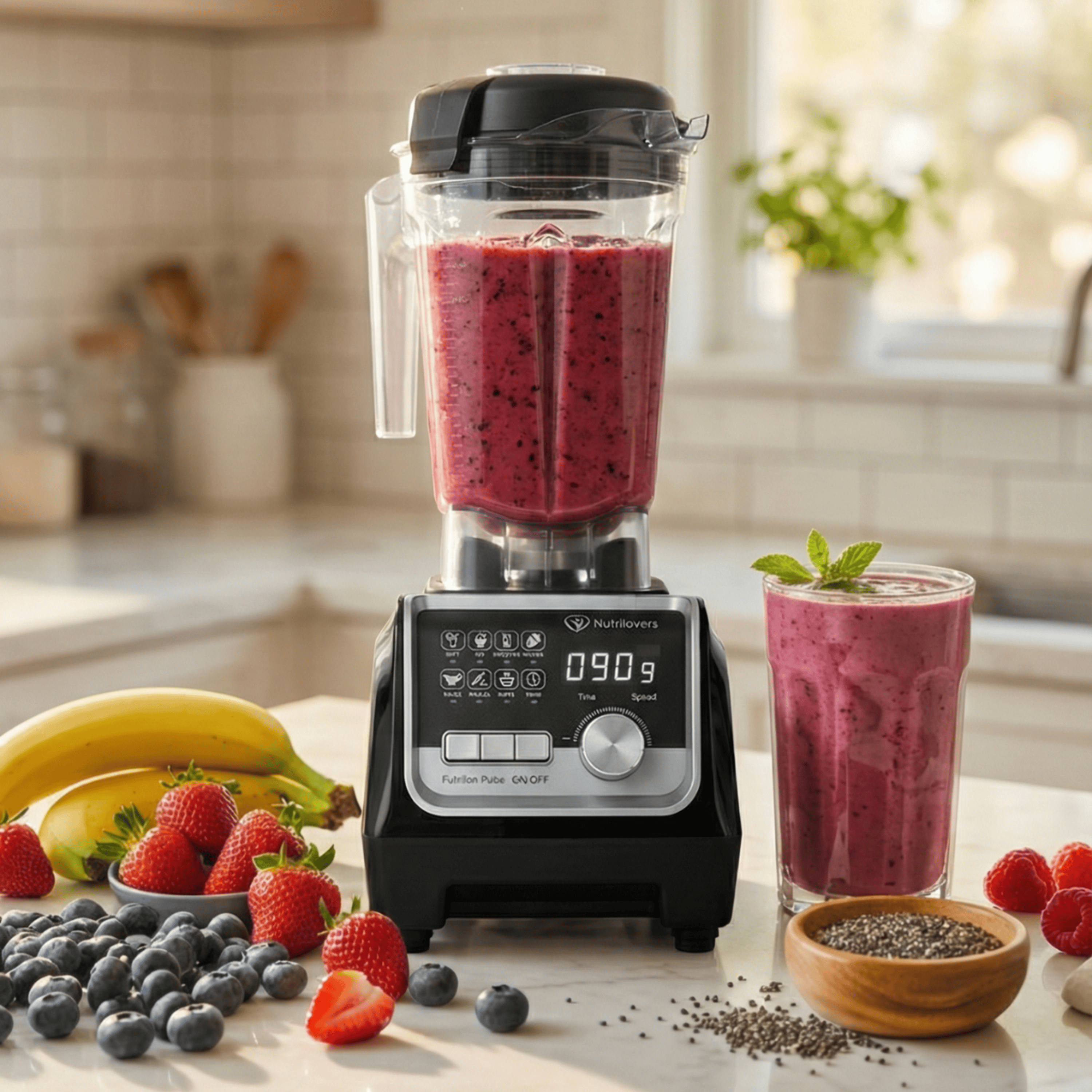
- Blender: For green smoothies, you should blanch the kale briefly beforehand, as it is not edible raw. After that, it makes your smoothie in the blender an ultimate nutrient bomb.
- Bread Maker: A rustic winter bread with steamed, chopped palm kale and bacon cubes is a delight. The machine kneads the ingredients evenly.
- Ice Cube Maker: Blanch the leaves, purée them and freeze the purée in an ice cube maker. This way, you always have a portion of "Tuscan feeling" for sauces or soups, even when the season is over.
Shopping & Storage
Look for crisp, dark green leaves. If they look limp or have yellow edges, the kale is no longer fresh.
Since it is seasonally available, you should grab it when you see it. It will keep for a few days in the refrigerator's vegetable drawer but wilts faster than curly kale.
Use in the kitchen
- The classic: It is indispensable in Italian "Ribollita" (a hearty bean stew).
- Pasta: Briefly sautéed in a pan with garlic and chilli, served with orecchiette.
- Side dish: Blanched and then tossed in butter as an elegant side dish to fish or meat.
Fun Facts
- Dino Kale: In the US, palm kale is often called "Dinosaur Kale" because of its textured skin – a hit with kids!
- Ancient Nobility: It is considered the ancestor of many of today's kale varieties and was already cultivated in ancient Rome.
- Ornamental Plant: Because of its beauty, many gardeners plant it in flower beds among roses – and then eat it later.
Conclusion
Palm kale is the elegant Italian among kale varieties: alkaline, antioxidant and low in calories. Although it is not available everywhere and not edible raw, the effort is worth it. Whether as a healthy juice from the slow juicer – for which it is good – or as crispy chips from the air fryer: it brings variety to your winter.