








Christopher Columbus once called it the "fruit of angels" – and anyone who has ever spooned a perfectly ripe papaya knows why. Its buttery-soft, orange flesh melts in your mouth and instantly brings a holiday mood to the breakfast table. But papaya is much more than just a delicious exotic fruit. It contains a very special enzyme that makes it a true wellness booster for your stomach.
What you should know about papaya
Papaya is a classic tropical fruit. As it requires a lot of warmth and sun, it doesn't grow in our climate and is therefore always imported. The good thing about it: thanks to worldwide cultivation, it is available all year round.
Botanically speaking, the papaya is a berry – and a pretty big one at that! Inside the fruit are countless black seeds, which many people discard. A mistake, as we will see later!
Nutrients & Effects

Papaya is a figure-friendly treat: it is extremely low in calories (only 39 kcal per 100g) and doesn't weigh you down. Instead, it provides you with full power for your immune system, as it is a true vitamin C bomb.
It is also beneficial for your skin and eyes, as it is rich in beta-carotene – which also gives the fruit flesh its beautiful color. The absolute highlight, however, is that papaya is enzymatically active. The enzyme papain it contains helps with protein digestion and can thus prevent feelings of fullness and soothe the stomach.
Taste & Consistency
Ripe papayas have a consistency like soft butter or melon. The taste is sweet and mild, almost creamy, and has little acidity. Some find the smell slightly musky, but this is perfectly balanced by a little lemon juice.
An important point from your overview: papayas have a short shelf life. Once ripe (the skin yields to pressure), they must be eaten quickly, otherwise they will quickly ferment or become mushy.
Preparation with kitchen appliances
The soft fruit is a dream for processing with your kitchen appliances:
- Slow Juicer: Pure papaya juice is very thick, almost like nectar. Since the fruit is enzymatically active, the juice is a perfect digestif after a meal. For a more refreshing taste, mix it with orange or lime in the slow juicer.
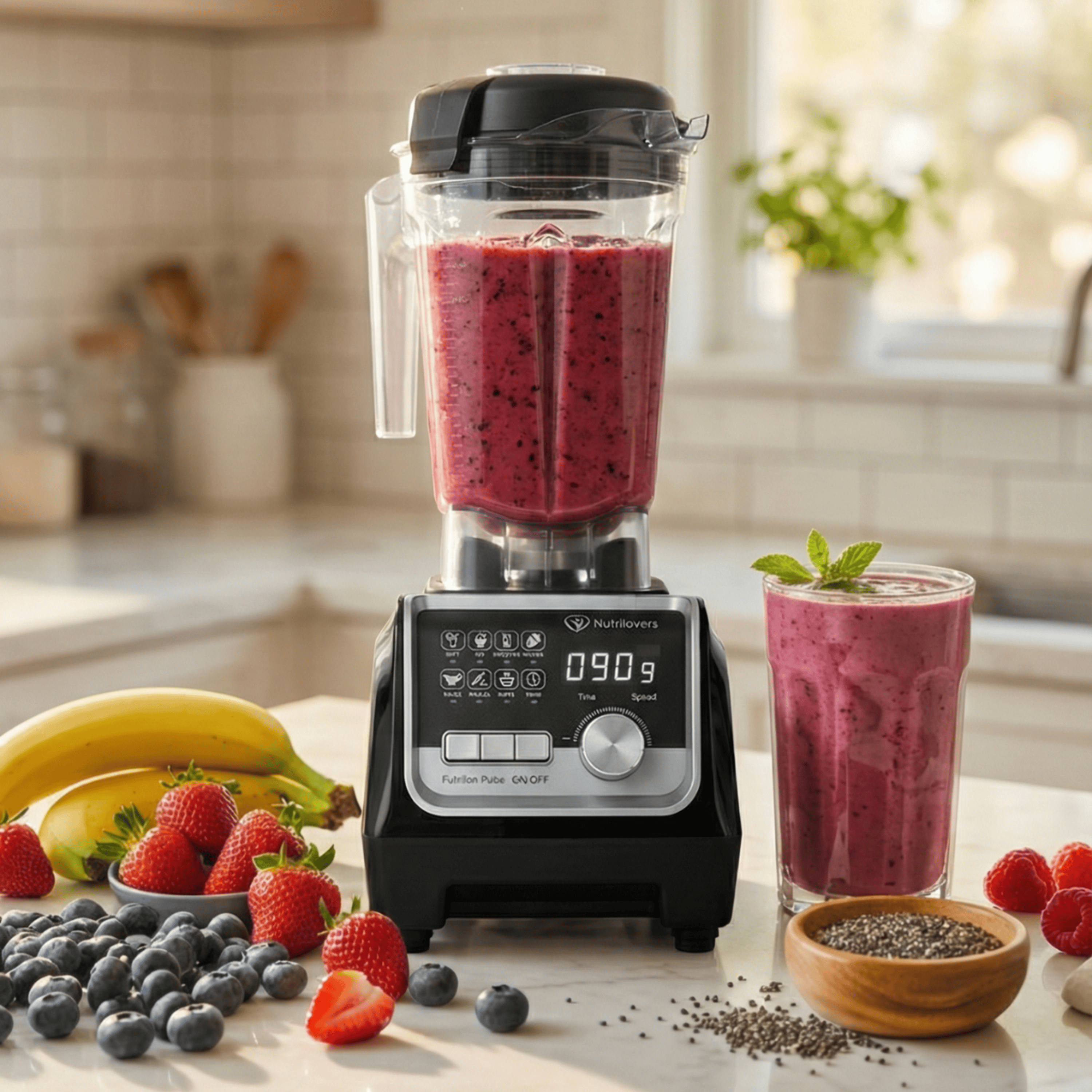
- Blender: Don't throw away the seeds! They are edible and taste peppery-spicy. For a "detox smoothie," add a small amount of the seeds with the fruit flesh to the blender. Papain breaks down proteins and makes smoothies wonderfully creamy.
- Air Fryer: Dried papaya strips are often sugared – make them yourself instead! Cut the fruit flesh into strips and dry them in the air fryer at a low temperature. A perfect, low-calorie snack for in between meals.
- Ice Cube Tray: Purée the ripe flesh and freeze it in an ice cube tray. These cubes turn sparkling wine or cocktails into an exotic highlight and cool without diluting.
- Bread Maker: A juicy "Tropical Bread"? Add diced (not too soft) papaya pieces or dried papaya to the dough in your bread maker. The sweetness harmonizes wonderfully with coconut flour or nuts.
Shopping & Storage
In the supermarket, you often find green, hard papayas. These ripen at room temperature until the skin turns yellow-orange. If it is already soft, it should be put in the refrigerator immediately and consumed on the same or next day.
Usage in the Kitchen
- Breakfast: Served in a "Papaya Boat" (halved and deseeded) with yogurt and granola.
- Savory: In an Asian salad with chili, cilantro, and peanuts.
- The Seeds: Dried and filled into a pepper mill, they are a mild pepper substitute that is gentle on the stomach.
Fun Facts
- Tenderizer: In tropical countries, tough meat is wrapped in papaya leaves or rubbed with the fruit. The enzyme papain breaks down the protein fibers, making the meat incredibly tender.
- Tree-Wonder: Papayas don't grow on trees, but on huge, herbaceous plants that quickly become woody – botanically speaking, they are "tree-like herbs."
- Versatile: Papain is extracted from the milky sap of unripe papayas and is used not only in cooking but also in medicine and even in beer brewing (to prevent clouding).
Conclusion
Papaya is the epitome of a healthy tropical fruit. It is low in calories, sweet and mild, and a boon for the stomach thanks to its enzymes. Although it is an imported product and has a short shelf life, as a vitamin C bomb, it is well worth it. Whether as a creamy smoothie from the blender or pure with lime – bring the tropics home!