









Whether red, yellow, or green – bell peppers are an indispensable part of our kitchen. They glow like a traffic light from the vegetable aisle and are incredibly versatile. But did you know that their color not only tells you about their taste but also their ripeness? And that, prepared correctly, they can even be a real stomach-soother? Here you'll learn everything about this crunchy nightshade plant.
What you should know about bell peppers
Bell peppers are true sun-lovers. Their native season is during the warm months from July to October. During this time, they are seasonally available and taste particularly aromatic and crisp.
By the way, the different colors usually come from the same plant: green bell peppers are harvested unripe (and more bitter), yellow ones are semi-ripe, and red ones are fully ripe and the sweetest.
Nutrients & Effects

If you're watching your weight, this is a great choice: bell peppers are extremely low in calories (only about 27 kcal per 100g) and consist mostly of water.
They are healthy because they have an alkaline effect, helping to keep your acid-base balance in check. They are also anti-inflammatory and often provide more Vitamin C than citrus fruits.
An important note from your graphic: Although they are healthy, not everyone tolerates them raw. The tough skin can be difficult to digest and can cause bloating. If you are sensitive, it's better to cook them or remove the skin.
Taste & Consistency
The spectrum ranges from mild to hot – depending on the variety (bell pepper vs. pointed pepper or chili). The texture is wonderfully crunchy and juicy raw; cooked, it becomes buttery soft and sweet.
Preparation with Kitchen Appliances
Bell peppers are an all-rounder for your kitchen appliances:
-
Air Fryer: The best trick to make them more digestible! Halve the bell pepper and roast it in the air fryer until the skin blisters. Then you can easily peel off the skin – the aroma becomes intensely sweet and smoky.
-
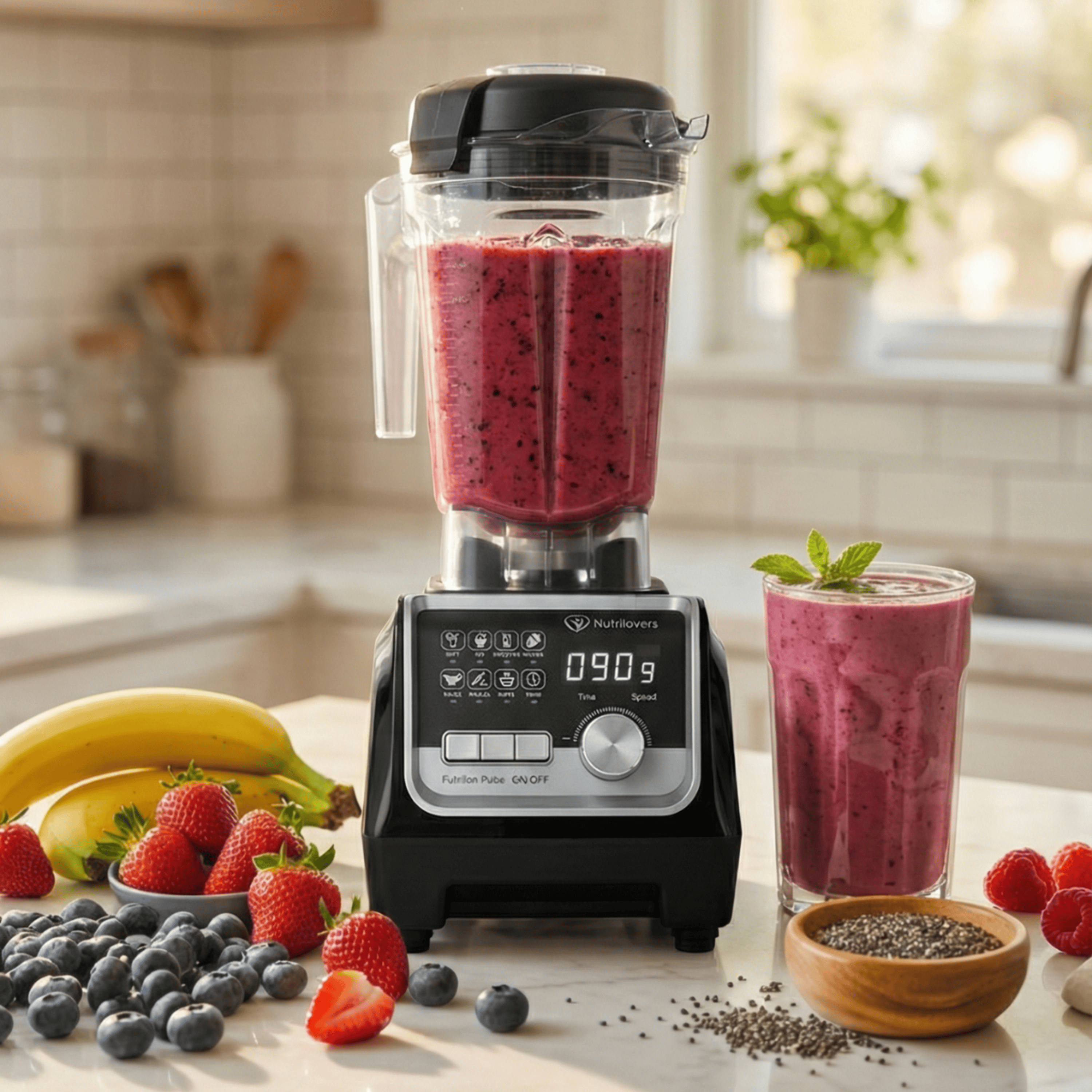
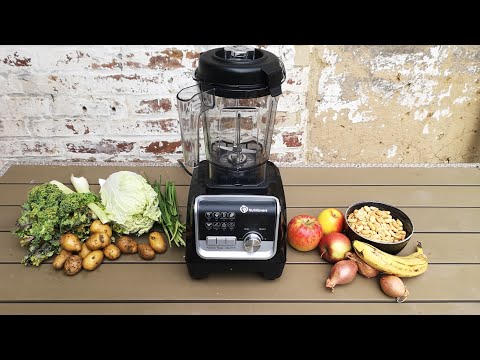
Blender: Bell pepper is versatile, for example, in a red pesto or a creamy bell pepper soup. The blender also purees skin remnants so finely that they are often better tolerated.
-
Slow Juicer / Juicer: Bell pepper in juice? Absolutely! Red bell pepper, in particular, adds a pleasant sweetness and a Vitamin C explosion to a vegetable juice. Combine it in the slow juicer with carrots and apples.
-
Bread Maker: A "Puszta bread" with small bell pepper cubes and fried onions is a hit at a barbecue. Add the cubes to the dough in your bread maker only at the end so they don't get crushed.
-
Ice Cube Maker: Puree roasted bell pepper into a paste and freeze it in an ice cube maker. These "bell pepper bombs" are brilliant for adding depth and binding to goulash or tomato sauces in an instant.
Shopping & Storage
Look for smooth, shiny skin without dents. The stem should be fresh green and not dried out. Wrinkled bell peppers aren't necessarily bad, but they have lost a lot of Vitamin C.
Bell peppers like it cool, but not freezing cold. The vegetable drawer in the refrigerator is ideal. Don't store them directly next to tomatoes or apples, as the ripening gas ethylene will make them soften faster.
Use in the kitchen
Since bell peppers are versatile, there are no limits to your imagination:
-
Raw: As sticks for dipping or in salads (if tolerated).
-
Stuffed: The classic with minced meat or rice, stewed in the oven.
-
Hungarian: As a base for goulash or lecsó, where they provide the typical binding and color.
Fun Facts
-
Nobel Prize: Hungarian scientist Albert Szent-Györgyi first isolated Vitamin C from bell peppers – and received the Nobel Prize for it.
-
Gender Myth: The persistent rumor is that bell peppers with 3 chambers are "male" and those with 4 chambers are "female" (and sweeter). Botanically, this is nonsense – the number of chambers depends on the variety and cultivation, not the "gender" of the fruit.
-
Spicy Relatives: Bell peppers contain no capsaicin (the hot substance), but their relatives chili and pepperoni do.
Conclusion
Bell peppers are a colorful superfood: low in calories, alkaline, and anti-inflammatory. Since they can cause bloating and not everyone tolerates them raw, using an air fryer to peel them or a blender for creamy soups is particularly worthwhile. Take advantage of the season from July to October when they are seasonally available, and add color to your plate!