










For a long time it stood in the shadow of the potato and the carrot, but now it's conquering our plates again: the parsnip. With its delicate, nutty aroma, this pale root is a highlight of winter cuisine. It tastes fantastic not only as a puree or roasted vegetable, but is also a real insider tip for the youngest among us. Here you can find out why the parsnip belongs in every shopping basket.
What you should know about parsnips
The parsnip is a classic winter vegetable. Its season extends through the cold months from October to March. Since it tolerates frost, it can remain in the field for a long time, which makes it particularly aromatic.
It is regionally available here and looks confusingly similar to parsley root. A simple trick to distinguish them: the leaf base of the parsnip is sunken, while that of the parsley root bulges upwards.
Nutrients & Effects

The parsnip is a true all-rounder for health. It is very filling, as it is rich in carbohydrates and fiber. The latter also makes it digestive and good for the gut.
It is particularly noteworthy that it is suitable for babies. Due to its mildness, low nitrate content, and sweetness, it is often the first vegetable in baby food. Interesting for adults: it has an alkaline effect in the body and thus helps against over-acidification.
Taste & Consistency
In terms of taste, the parsnip is somewhere between carrot and celery, but is significantly sweeter and nuttier. Frost exposure converts its starch into sugar, which further intensifies the aroma.
An important note from your overview: The root is not very juicy (rather floury-firm) and is considered difficult to digest raw. While some eat it grated in salads, when cooked it is much more digestible for most stomachs and only then develops its full flavor.
Preparation with kitchen appliances
The firm root can be wonderfully processed with your kitchen appliances:
- Air fryer: The healthy snack hit! Cut the parsnips into sticks ("parsnip fries"), season them with a little oil, salt, and paprika, and air fry them until crispy. The natural sugar caramelizes slightly, giving them a wonderfully sweet and savory taste.
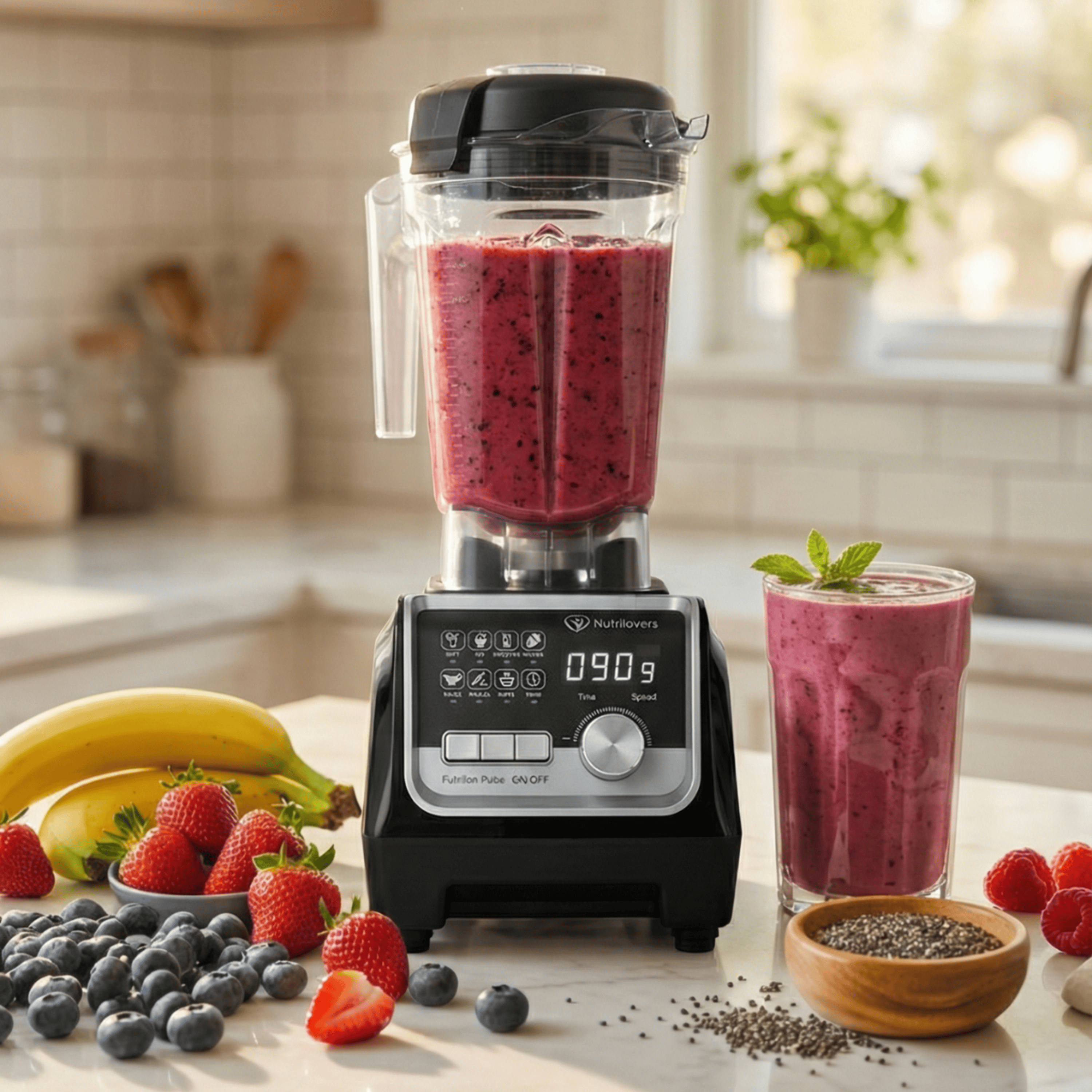
- Blender: Since parsnips are good for babies, the blender is your best friend for homemade baby food. The cooked roots can be processed into an extremely fine, creamy puree. This is also ideal for soups (e.g., with pear).
- Slow Juicer / Juicer: Since the root is not very juicy, you should always mix it with watery fruits or vegetables in the slow juicer (e.g., apple or orange). The juice is very sweet and earthy.
- Bread Maker: Do you want a moist, slightly sweet winter bread? Add finely grated parsnip to the dough of your bread maker. It keeps the bread fresh for a long time and ensures a great crumb.
- Ice Cube Tray: The meal prep hack for parents: Cook a larger amount of parsnip puree and freeze it in portions in an ice cube tray. This way you always have a perfect mini portion for your baby or for thickening sauces.
Shopping & Storage
It's best to choose small to medium-sized roots. Huge specimens can sometimes be woody inside. The skin should be smooth and firm, without dark spots.
Parsnips like it cool and dark. In the refrigerator's vegetable drawer or in a cold cellar, they stay fresh for weeks. Unwashed, they often last even longer.
Use in the kitchen
Parsnip is more versatile than potato:
- Puree: As an alternative or addition to mashed potatoes – much more aromatic!
- Roasted vegetables: Roasted on a baking sheet with beetroot and carrots.
- Soup: Classic parsnip cream soup is a delicious winter dish.
Fun Facts
- Displaced: Until the 18th century, parsnips were one of the most important staple foods in Germany, until potatoes from America arrived and supplanted them.
- Sweetener: Before sugar was extracted from beets, the thickened juice of parsnips was often used to sweeten food.
- Frost Fan: Unlike many other vegetables, parsnips almost need to freeze to develop their perfect flavor.
Conclusion
The parsnip is the perfect winter vegetable: regional, filling and alkaline. Although it is not very juicy and difficult to digest raw, when cooked it is a delight. Whether as fries from the air fryer or as baby food from the blender (because it's good for babies!) – this root deserves its firm place in the kitchen.