








When the sweet juice runs down your fingers and the scent of summer fills the air, it's peach season! With its velvety skin and juicy flesh, it's the epitome of enjoyment on hot days. But these stone fruits are more than just delicious – they are true beauty food candidates that nourish you from the inside out. Find out why you should make the most of the season here.
What you should know about peaches
The peach is an absolute summer classic. Its season is during the warmest months of the year, from July to September. During this time, the fruits taste best as they have soaked up a lot of sun.
Originally from China, it is now cultivated worldwide in warm regions. A distinction is made between yellow-fleshed (stronger in taste) and white-fleshed (finer, but more delicate) varieties. Its trademark is its fuzzy skin, which protects it but is not everyone's cup of tea.
Nutrients & Effects

Peaches are pure wellness. They are extremely rich in water, which helps keep your fluid balance stable on hot days. They also have an alkaline effect in the body and balance out acid-heavy diets.
A special highlight from your graphic: Peaches are good for the skin. Thanks to the vitamins they contain and their antioxidant-rich properties, they protect your cells from premature aging and ensure a fresh complexion.
Taste & Consistency
A ripe peach is a delight: It tastes mildly sweet, is buttery soft, and drips with juice. However, this tenderness comes at a price. Peaches are extremely delicate. Even light pressure leads to brown spots. They are also highly perishable, which is why you should never leave them lying around for long.
Preparation with kitchen appliances
This soft fruit is made for your kitchen helpers:
- Slow Juicer / Juicer: According to your overview, peaches are suitable for juicing. That's absolutely right! In a slow juicer, you get a thick, golden-yellow nectar that is a dream, either pure or mixed with sparkling wine ("Bellini"). But be sure to remove the hard pit first!
- Air Fryer: A dessert to die for: Halved peaches (pit removed), a little honey and cinnamon on top, and into the air fryer. The fruit caramelizes and tastes fantastic served warm with a scoop of vanilla ice cream.
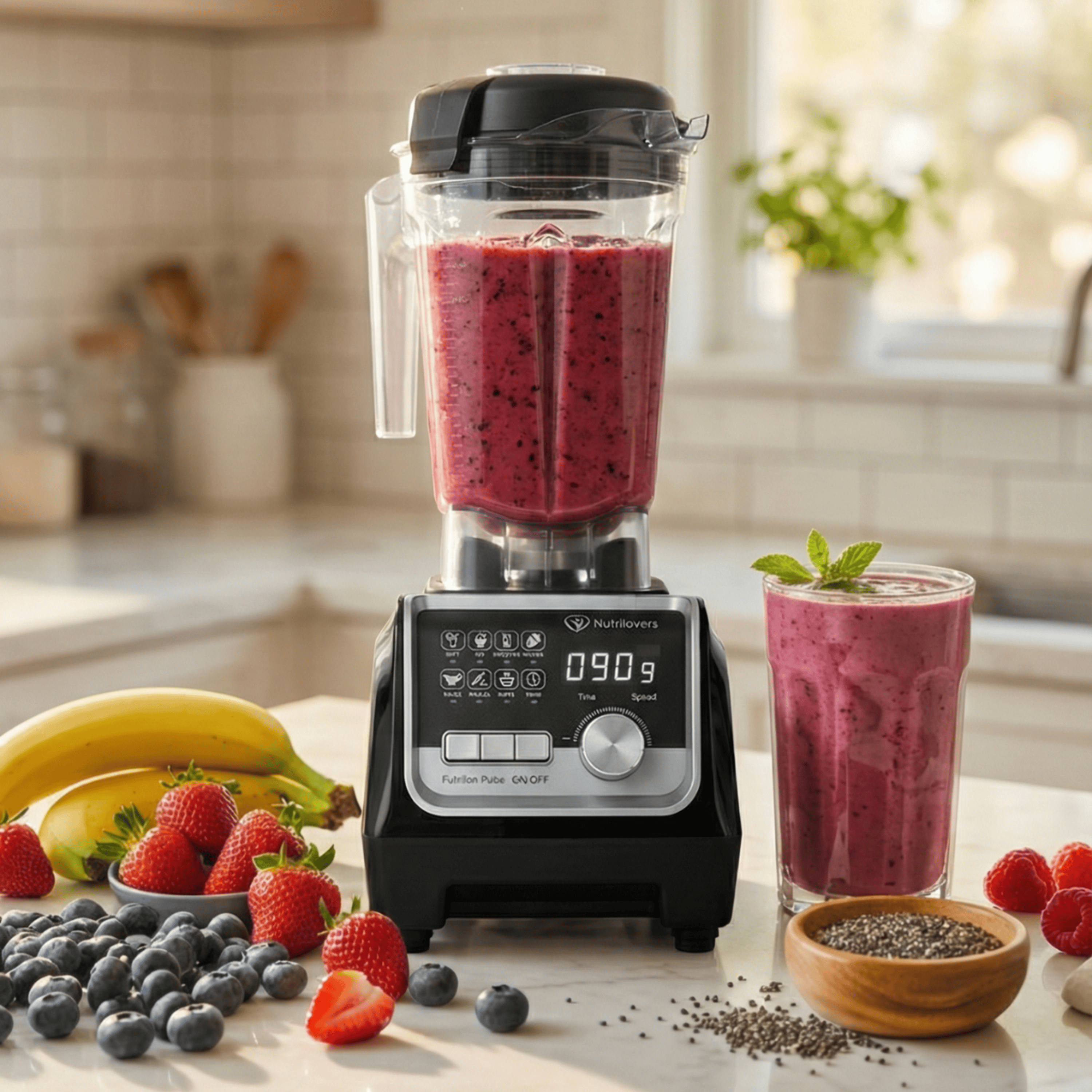
- Blender: Peaches are ideal for smoothies because they are mildly sweet and give a creamy consistency. Tip: If the fuzzy skin bothers you, you can peel it beforehand (briefly dipping it in boiling water helps).
- Ice Cube Maker: Purée the ripe fruit pulp and freeze it in an ice cube maker. These fruity cubes are perfect for cooling iced tea without watering it down.
- Bread Maker: Since peaches are highly perishable, jam is the salvation for overripe fruits. Many bread makers have a "jam" program that saves you the stirring.
Shopping & Storage
Trust your nose: A good peach smells intensely sweet. The skin should be plump and free of bruises. Be sure to store ripe peaches in the refrigerator, but take them out about an hour before eating so they can develop their aroma. Hard peaches can ripen at room temperature.
Use in the kitchen
- Savory: Grilled peach pairs wonderfully with goat cheese, arugula, and balsamic glaze.
- Classic: As a topping for fruit tarts or in compote.
- Refreshing: Diced in a punch or in water.
Fun Facts
- Nectarine: Botanically speaking, a nectarine is nothing more than a hairless peach (a mutation).
- Symbolism: In China, the peach is a symbol of immortality and long life.
- Almond Substitute: The inner kernel (persipan) is often used as a cheaper alternative to marzipan, as it tastes similar – but be careful, it contains hydrocyanic acid and should not be eaten raw!
Conclusion
The peach is the sweet star of midsummer. It is rich in water, alkaline, and particularly good for the skin and cells because it is rich in antioxidants. Its downside is that it is very delicate and highly perishable. Therefore, make the most of the time from July to September and process it quickly – for example, as fresh juice, because it is suitable for juicing!