








He divides the nation: some love the sour tingle, others grimace. But the fact is: when rhubarb is in the shops, winter is finally over. It usually ends up in cakes or compotes and is treated like fruit, but botanically speaking, it's a vegetable. Here's why you should love these red and green stalks despite their tartness and what you absolutely need to pay attention to when preparing them.
What you should know about rhubarb
Rhubarb is the epitome of seasonality. Its short season begins in April and traditionally ends on St. John's Day (June 24). During these months, it is regionally available, making it a particularly sustainable treat.
Depending on the variety, the stalks can be green-fleshed (very tart) or red-fleshed (slightly milder, like the "Raspberry Rhubarb" variety).
Nutrients & Effects

Rhubarb is light on the hips: with only 13 calories per 100g, it is extremely low in calories. But it delivers plenty of ingredients: it's rich in fiber and antioxidants, which protect your cells.
Thanks to its fiber content, it also aids digestion. But be careful: rhubarb has a high oxalic acid content. This acid can attack tooth enamel and bind potassium. A tip: always combine rhubarb with dairy products (such as vanilla sauce or quark), as the calcium neutralizes the acid.
Taste & Texture
The taste is unmistakable: intensely sour-fresh and fruity. The consistency of the raw stalks is hard and fibrous.
A very important warning from your graphic: Rhubarb cannot be eaten raw! While some may have snacked on a raw stalk with sugar in the past, it is now strongly advised against, as the concentration of oxalic acid is very high when raw and can lead to stomach aches. However, when cooked, it becomes soft and digestible.
Preparation with kitchen appliances
Your kitchen appliances will help you turn the sour stalks into sweet dreams:
- Slow Juicer / Juicer: According to your overview, rhubarb is good for juices. However, since it is very tart and should be cooked, there's a trick: Juice it raw and then briefly boil the juice, or mix it as a small "acid kick" into large quantities of sweet apple or strawberry juice. Alternatively: Steam juicing (heat!) is the safer method here.
- Bread Maker: Its specialty! Strawberry rhubarb jam is the ultimate classic. Cut the rhubarb into small pieces, add strawberries and gelling sugar, and start the jam program. No splattering, no burning.
- Air Fryer: Rhubarb crumble is super quick in the air fryer. Put rhubarb pieces with a little sugar in a small dish, sprinkle with crumbles and bake. The rhubarb becomes soft and juicy, the crumbles become super crispy.
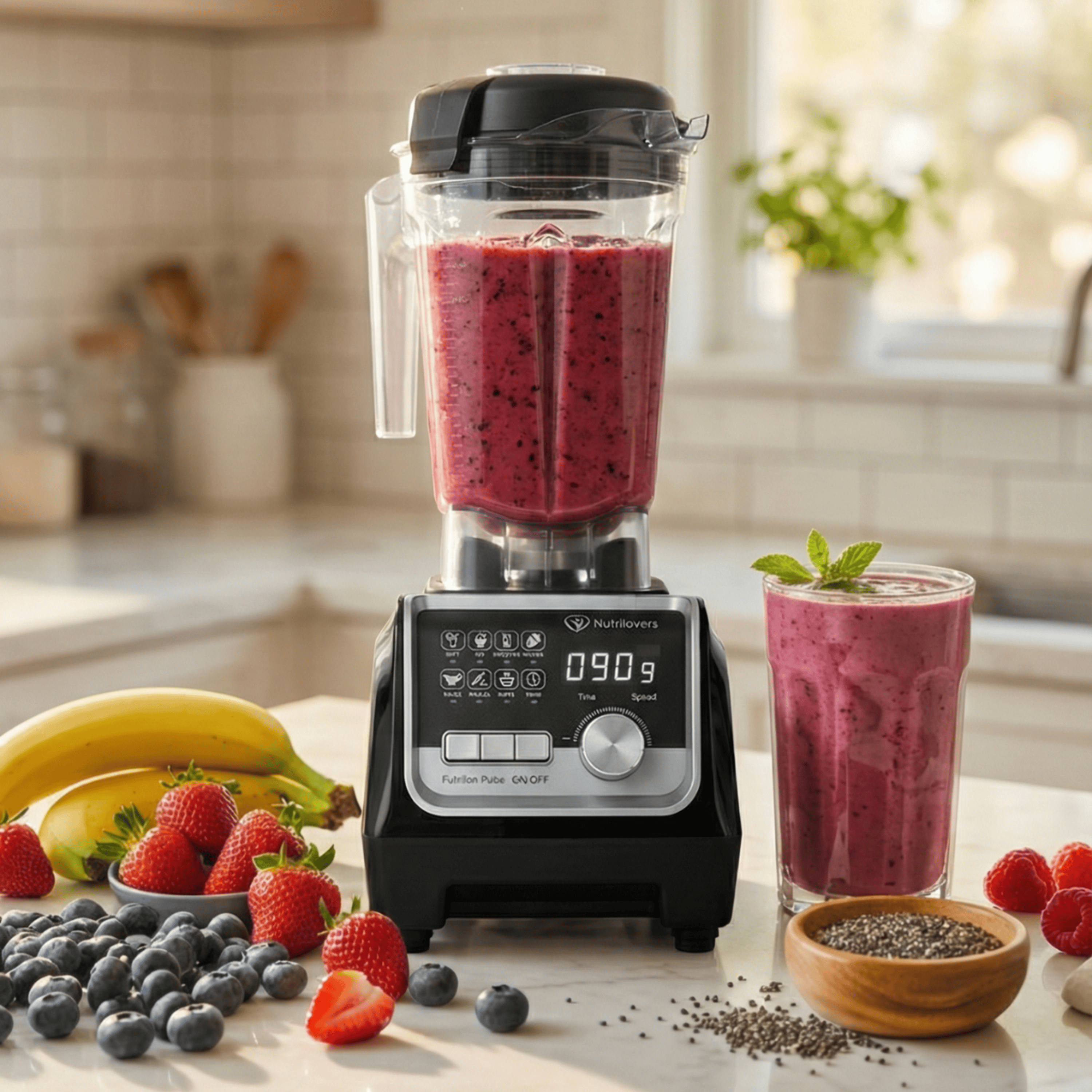
- Blender: For a fine rhubarb purée or a cold soup, first cook the stalks until soft (Important: discard the cooking water, as it contains a lot of acid!) and then blend them in a blender with strawberries and yogurt to create a heavenly shake.
- Ice Cube Maker: Cook a concentrated rhubarb compote or syrup and freeze it in the ice cube maker. Such a cube in a glass of sparkling wine or mineral water is the perfect summer drink ("DIY Rhubarb Spritzer").
Shopping & Storage
Fresh rhubarb is slightly glossy and the stalks are firm. If they bend like rubber, they are old. The cut ends should be juicy and not dried out.
At home, it's best to wrap the stalks in a damp cloth and place them in the vegetable drawer. They will keep for 2-3 days. Rhubarb can also be frozen very well (peeled and chopped).
Uses in the kitchen
- The classic: rhubarb cake with meringue topping – the sweetness of the meringue perfectly balances the acidity.
- Savory: Did you know that rhubarb chutney goes great with cheese or grilled meat?
- Dessert: As a compote with rice pudding or semolina porridge.
Fun Facts
- Poisonous leaves: Never eat the leaves! They contain an extremely high dose of oxalic acid and are poisonous. Only the stalks are edible.
- Barbarian root: The name is derived from the Latin "Rheum rhabarbarum", which means "foreign root" (of the barbarians), as it originally came from Asia.
- Trick 17: To reduce the oxalic acid content, you should always peel and blanch rhubarb (discard the water).
Conclusion
Rhubarb is a tart wake-up call for the palate. It is regionally available, rich in fiber, and aids digestion. While it has a high oxalic acid content and cannot be eaten raw, when prepared correctly – for example, as jam from a bread maker or juice (it's well suited for this) – its sour-fresh taste is indispensable for spring.