








Few vegetables evoke such strong childhood memories as Brussels sprouts – and often, unfortunately, not good ones. But the days of gray, boiled, bitter sprouts are over! Prepared correctly, these mini-cabbages are a nutty-mild delicacy that is in high demand, especially in the cold season. Find out here why you should definitely give this winter vegetable a second chance.
What you should know about Brussels sprouts
Brussels sprouts are a classic winter vegetable. Their season starts when the weather outside gets unpleasant: from October to February.
The great thing about them is their regional availability. You can get them fresh from local fields in the winter months, which saves long transport routes and ensures maximum nutrients. By the way: A little frost does them good, because the cold converts starch into sugar and makes them milder.
Nutrients & Effects

It hardly gets any healthier! Brussels sprouts are known to contain anti-cancer substances (so-called glucosinolates) that can protect your cells. In addition, they have an alkaline effect in the body, which helps to counteract acidification.
For diabetics and those who are figure-conscious, they are a dream: they are blood sugar-friendly and keep insulin levels stable. At the same time, they are very filling due to their high protein and fiber content.
Taste & Consistency
Opinions are divided here: Brussels sprouts have a very intense taste – cabbage-like, slightly tart, and nutty. The consistency of the sprouts is firm and compact.
A known disadvantage from your overview: Brussels sprouts can cause flatulence. Those who are sensitive should prepare them with caraway, fennel seeds, or anise to make them more digestible.
Preparation with Kitchen Appliances
Forget overcooking them in a water bath! Your kitchen appliances will get the best out of the sprouts:
- Air fryer: The absolute game changer for Brussels sprouts haters! Halve the sprouts, marinate them with oil, salt, and a little maple syrup, and pop them into the air fryer. They'll be wonderfully crispy on the outside (almost like chips) and soft on the inside. The roasted aromas significantly mellow the intense flavor.
- Blender: Raw, they are very hard, but as a creamy soup, they are a delight. Cook the sprouts until soft and purée them in a blender with potatoes and some cream or coconut milk. This way, you'll have a filling meal in minutes.
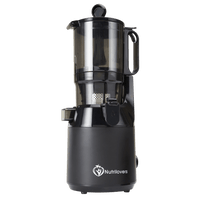
- Slow Juicer / Juicer: Brussels sprout juice? Yes, but only for the hard-core! Since it contains anti-cancer substances, it's a powerful health shot. Be sure to mix it in the slow juicer with plenty of apple, carrot, and lemon to balance out the tart note.
- Bread maker: A hearty winter bread with bacon and Brussels sprouts? Why not! Add finely chopped (or briefly sautéed) Brussels sprout leaves to the dough. This makes the bread juicy and flavorful.
- Ice cube maker: Blanch the individual leaves or purée cooked Brussels sprouts and freeze them in an ice cube maker. These portions are perfect for thickening stews later or adding a vitamin-rich, green note to sauces.
Shopping & Storage
When buying, make sure the sprouts are tightly closed and light green. Yellow leaves indicate overstorage. The cut surface at the bottom should be fresh and not brown.
In the refrigerator's vegetable compartment, Brussels sprouts will keep for about 4–5 days. They should not be stored next to apples, as this will cause them to wilt faster.
Use in the Kitchen
Brussels sprouts are more versatile than just a side dish for roasts:
- Pan-fried: Fried with bacon cubes and onions – the classic.
- Salad: Shaved raw (thinly!) as a winter salad with walnuts, cranberries, and an orange dressing.
- Casserole: Baked with potatoes and cheese.
Fun Facts
- Name: They owe their name to the growth form of the small cabbage heads, which look like rose blossoms. Internationally, they are often called "Brussels Sprouts," as they were first cultivated on a large scale there in the 18th century.
- Vitamin C Bomb: They contain almost twice as much vitamin C as oranges and were formerly important for preventing scurvy in winter.
- Stalk Trick: If you cut the stalk crosswise, the sprouts will cook more evenly.
Conclusion
Brussels sprouts are the hero of winter: seasonally and regionally available, blood sugar-friendly, and full of anti-cancer substances. Although they have an intense taste and can cause flatulence, prepared correctly – especially crispy from the air fryer – they are irresistible. Take advantage of the time from October to February and rediscover this winter vegetable!