








For a long time, it led a shadowy existence as a "weed" until Italian cuisine made it a star as "Rucola" (formerly known to us as rocket). Today, it is an indispensable ingredient on pizza toppings, carpaccio, and in colorful salad bowls. Its jagged leaves look harmless, but they pack a punch. Here you'll find out why this spicy herb is not only delicious but also cleanses your body.
What you should know about Rucola
Rucola is a sun worshipper. Its natural outdoor season runs from May to October. During this time, the leaves are particularly aromatic and low in calories (only 25 kcal per 100g!), making it the perfect light summer companion.
A distinction is often made between the milder garden rocket (broader leaves) and the sharper wild rocket (very narrow, heavily serrated leaves). Both bring the typical spiciness.
Nutrients & Effects

Rucola is pure detox. It is considered a blood purifier and supports the body in detoxification. It also has an alkaline effect and helps to reduce acidification.
It is particularly valuable for pregnant women and anyone who wants to support their blood formation, as it is rich in folic acid. Its ingredients also have an antioxidant effect and protect your cells.
An important note from your overview: Rucola is naturally rich in nitrates. The plant stores nitrate mainly in its stems. To reduce intake, you should remove the thick stems and not eat huge quantities of Rucola daily. Tip: Vitamin C (e.g., from lemon dressing) inhibits the conversion of nitrate into harmful substances.
Taste & Texture
The taste is unmistakable: nutty, sharp, and spicy – some describe it as mustard-like. Fresh Rucola is crisp but tender.
The downside of its tenderness: it wilts quickly. Once harvested or bought, it quickly loses its crispness and becomes limp, which is why it doesn't tolerate long storage times.
Preparation with Kitchen Appliances
Rucola is more versatile than just a garnish – your kitchen appliances can create amazing dishes from it:
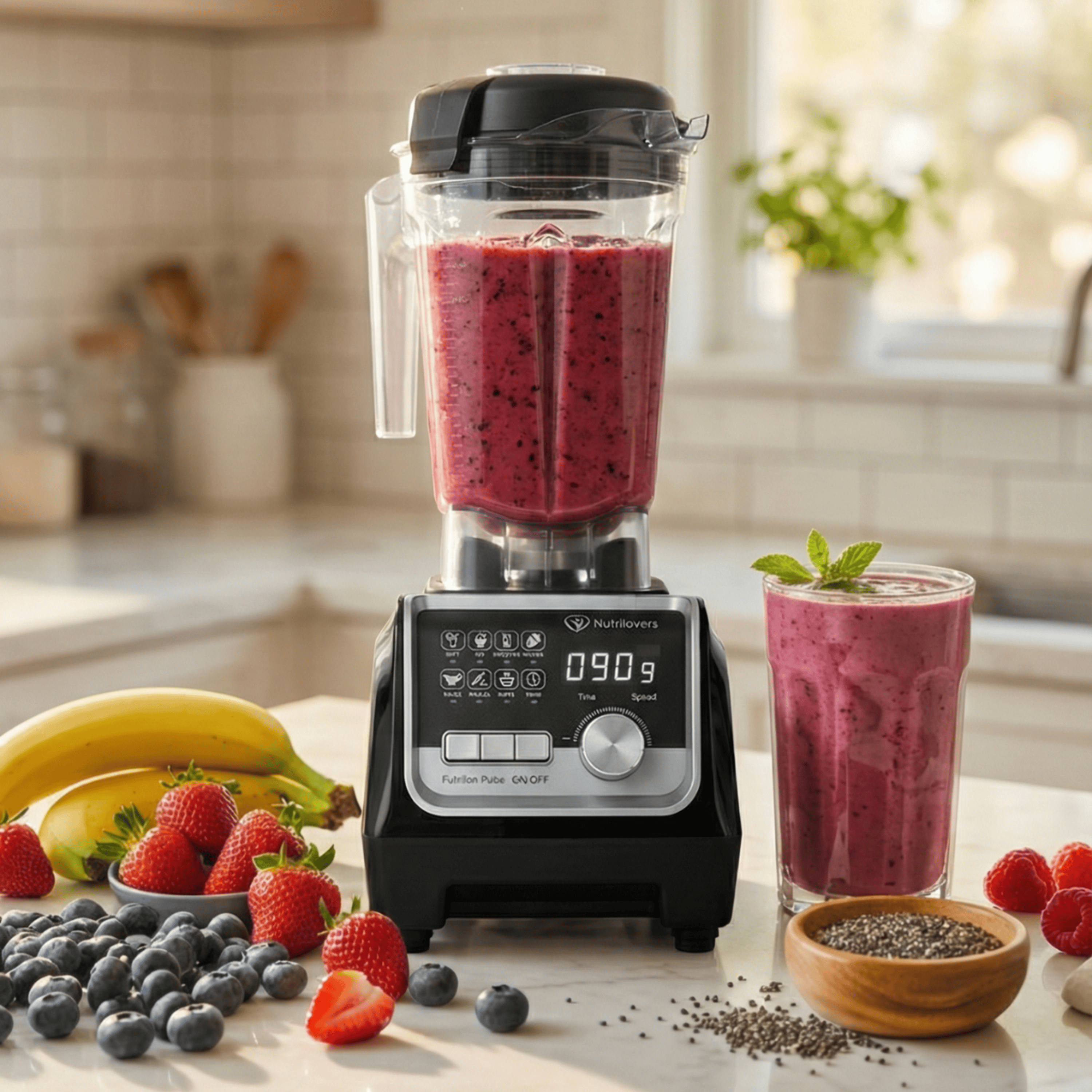
- Blender: A highlight of your graphic: Rucola is good for smoothies! The mustard oils give green smoothies a pleasant spiciness ("Green Kick") that harmonizes wonderfully with sweet fruits like pear or mango.
- Food Processor / Mixer: The classic is Rucola pesto. Puree washed Rucola with walnuts (instead of pine nuts), Parmesan, garlic, and plenty of olive oil. This often tastes more intense and exciting than basil pesto.
- Bread Maker: An Italian ciabatta or focaccia gets a wonderful spice from chopped Rucola in the dough. Add the leaves only towards the end of the kneading process.
- Slow Juicer / Juicer: Since it purifies the blood, Rucola is a top ingredient for green juices. Mix a handful of Rucola with cucumber, apple, and lime. Lemon is important to neutralize the nitrate!
- Ice Cube Tray: Puree Rucola with good olive oil and freeze it in an ice cube tray. These "flavor bombs" can simply be stirred into hot pasta or risotto in winter – the aroma virtually explodes with the warmth.
Shopping & Storage
Look for small, dark green leaves. If they are yellowish or mushy, leave them alone. Since it wilts quickly, wrap it in damp kitchen paper at home and store it in the vegetable drawer. It's best to use it within 1–2 days.
Use in the Kitchen
- The classic: Pizza! But please sprinkle it fresh on top after baking so it stays crisp.
- Salad: Pure with Parmesan and balsamic, or mixed with leafy salads for extra zing.
- Pasta: Stir into hot pasta just before serving until it wilts slightly.
Fun Facts
- Aphrodisiac: In ancient Rome, Rucola was dedicated to the god of love Priapus and was considered a powerful aphrodisiac. Its cultivation was therefore temporarily forbidden in monasteries!
- Name Confusion: "Rucola" is actually just the Italian name. In English, the plant is called "rocket" – but unfortunately, it sounds less chic, which is why the Italian name has prevailed.
- Mustard Relation: Rucola belongs to the cruciferous family and is closely related to mustard and cress – hence the spiciness.
Conclusion
Rucola is the spicy star of summer: low in calories, alkaline, and rich in folic acid. It purifies the blood and is surprisingly good for smoothies. Although it is rich in nitrates and wilts quickly, with the right tricks (remove stems, use quickly), it is an indispensable enrichment for your kitchen.