









Every child knows it as Popeye's magic potion, but spinach is far more than just a comic myth. This green leafy vegetable is one of the most valuable foods our local fields have to offer. Whether as young "baby spinach" in a salad or seasoned vigorously as a side dish – it delivers pure power. However, it also has a small "downside" that one should be aware of to use it optimally.
What you should know about spinach
Spinach is a true seasonal marvel, delighting us fresh from the field twice a year. Its season is divided into two parts: the first harvest takes place in spring from March to May, and the second in autumn from September to November.
Spring spinach is usually more tender and can be eaten raw, while autumn spinach often has stronger, coarser leaves that are perfect for steaming.
Nutrients & Effects

Spinach is a lightweight on the scale but a heavyweight in terms of nutrients. It is extremely low in calories (only 23 kcal per 100g). However, it is a real health booster: it is rich in vitamin K, which is important for bone health and blood clotting.
It is particularly valuable for women and vegetarians, as it contains folic acid and is good for blood formation. It also has antioxidant (cell protection) and detoxifying effects, making it the perfect detox partner.
An important note from your graphic: Spinach contains oxalic acid. This acid can strain the kidneys in sensitive people and has a disadvantage: it inhibits iron absorption. The pro tip: always combine spinach with vitamin C (e.g., lemon juice or bell peppers) to increase iron absorption, or blanch it briefly to reduce the oxalic acid content.
Taste & Consistency
Raw baby spinach tastes mild, nutty, and slightly sweet. Older spinach or root spinach is more pungent and sometimes has a slightly metallic note ("dull teeth"). When cooked, it collapses extremely and becomes buttery soft.
Preparation with kitchen appliances
Spinach is a favorite in modern cuisine and can be prepared in many ways:
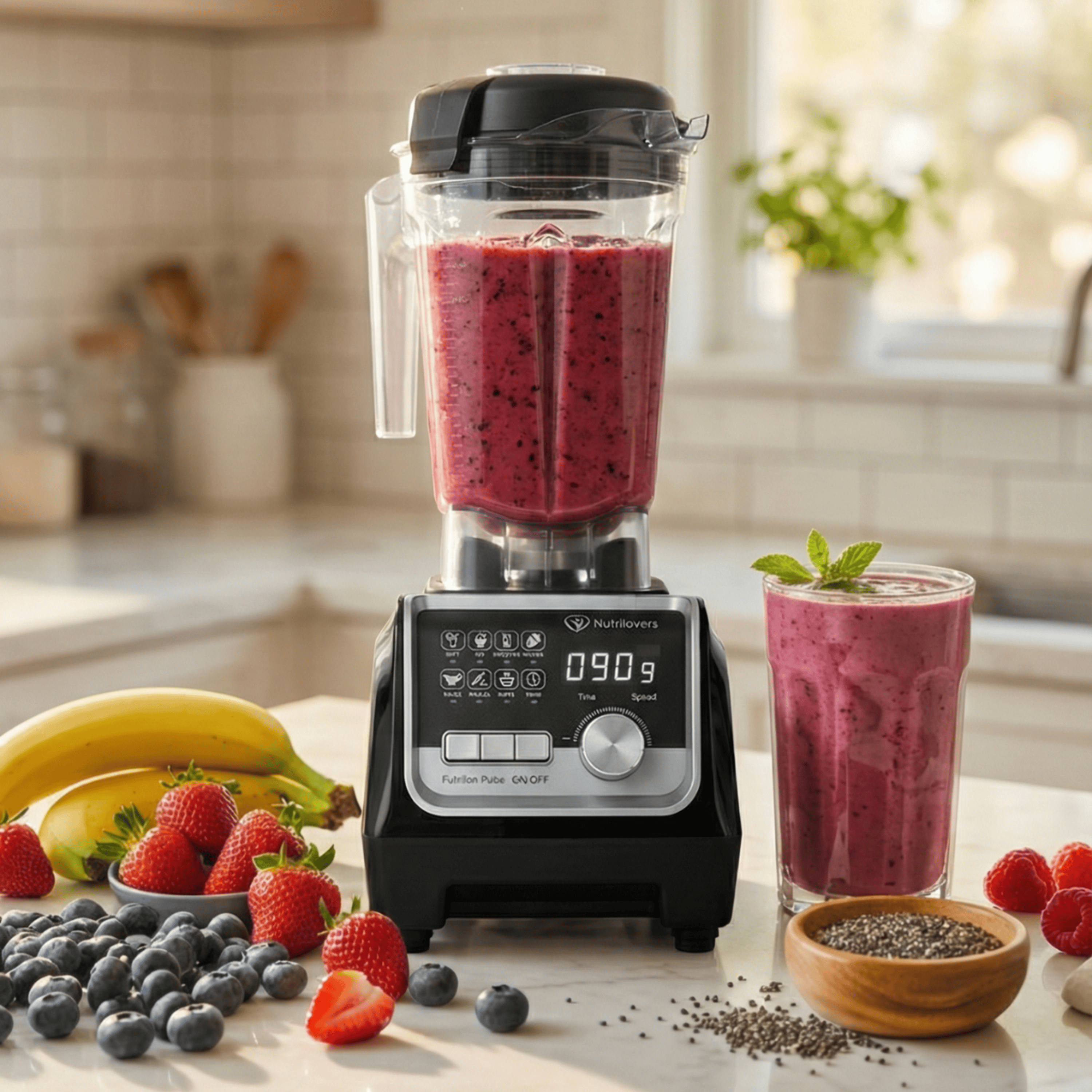
- Blender: The classic for green smoothies! Since spinach is low in calories, it forms the perfect base. It makes the smoothie creamy and provides nutrients without masking the taste of fruits.
- Slow Juicer / Juicer: Use its detoxifying properties for a green detox juice. Juice spinach together with apple, cucumber, and lemon. The juice is intensely green and a real energy kick in the morning.
- Bread maker: Want to bake green bread? Puree the spinach and add it to the dough of your bread maker as a liquid substitute. It looks great and tastes juicy-hearty.
- Air fryer: A healthy snack? Mix washed, dry spinach leaves with a little oil and salt and bake them briefly in the air fryer to make "spinach chips." They become surprisingly crispy!
- Ice cube maker: Since spinach shrinks a lot when cooked and you often buy large quantities: Puree fresh spinach with a little water or oil and freeze it in an ice cube tray. These "green cubes" are perfect for spontaneously enhancing sauces, curries, or smoothies.
Shopping & Storage
Look for crisp, dark green leaves. If they are wilted, mushy, or yellowish, leave them. Spinach wilts quickly after harvesting. At home, you should immediately wrap it in a damp cloth and store it in the refrigerator. Use it within 1-2 days.
Use in the kitchen
- Raw: As a salad base with goat cheese, walnuts, and honey-mustard dressing.
- Steamed: Classically with onions and a hint of nutmeg ("Blubb" spinach).
- Pasta: In a cream sauce with pasta or as a filling for ravioli and cannelloni.
Fun Facts
- The comma error: The idea that spinach contains an extreme amount of iron was long a myth based on a calculation error (a misplaced decimal point) by a scientist. It does contain iron, but not as excessively much as previously thought – it is still healthy!
- Reheating myth: It used to be said that spinach should not be reheated (due to the conversion of nitrates to nitrites). Today we know: If it was cooled quickly and stored in the refrigerator, reheating it once is harmless.
Conclusion
Spinach is rightly a superfood. It is rich in vitamin K, contains folic acid, and is good for blood formation. Although it contains oxalic acid, which inhibits iron absorption, the benefits outweigh the drawbacks with the right tricks (add vitamin C!). Whether fresh in a blender or as a chip from the air fryer – take advantage of the spring and autumn seasons for your health.