








Do you remember the thorny bushes in your grandparents' garden that you had to carefully tiptoe around? The reward was plump, greenish-yellow or red berries that practically exploded in your mouth. The gooseberry is a nostalgic fruit that is now back in vogue. It's not only refreshingly different from the sweet strawberry but also a local superfood. Find out here why you should definitely take advantage of its short season.
What you should know about gooseberries
The gooseberry is the epitome of summer. Its season is short and intense: it ripens from June to July. During these weeks, it is seasonally available in summer and, above all, regionally – often even wild or in your own garden.
They come in different colors: greenish-white varieties often taste a bit tart, while the red and yellow variants are usually sweeter. The fine hairs on their skin are their trademark.
Nutrients & Effects

If you're watching your waistline, you can indulge without guilt. Gooseberries are extremely low in calories (only 36 kcal per 100g!). Yet, they are surprisingly filling because they are rich in fiber – which is good for your gut and keeps blood sugar stable.
A real health bonus: the berries have anti-inflammatory effects. This is due to the plant compounds they contain and their high vitamin C content, which strengthens your immune system.
Taste & Texture
The aroma is unique: slightly tart and fruity-fresh. The skin is firm and bursts when you bite into it, creating a wonderful mouthfeel.
But be careful when handling them: the berries are very delicate. Once harvested, they don't like pressure or heat. They also have a short shelf life – long storage is not an option here.
Preparation with kitchen appliances
Since time is short, your kitchen appliances can help you with quick preparation:
- Bread maker: The classic is gooseberry jam! Since the berries contain a lot of natural pectin, they gel perfectly. Put them in the bread maker with kiwi or banana (for sweetness) and start the jam program.
- Slow Juicer / Juicer: Gooseberry juice is very sour on its own ("face-puckering"), but brilliant as a mixer. Juice the berries together with sweet apples or pears. The slightly tart note makes the juice extremely refreshing on hot days.
- Air fryer: A quick gooseberry crumble for a spontaneous coffee visit? Put berries with a little sugar in a small dish, sprinkle crumbles over them and put it in the air fryer. In 15 minutes, you'll have a warm, fragrant dessert.
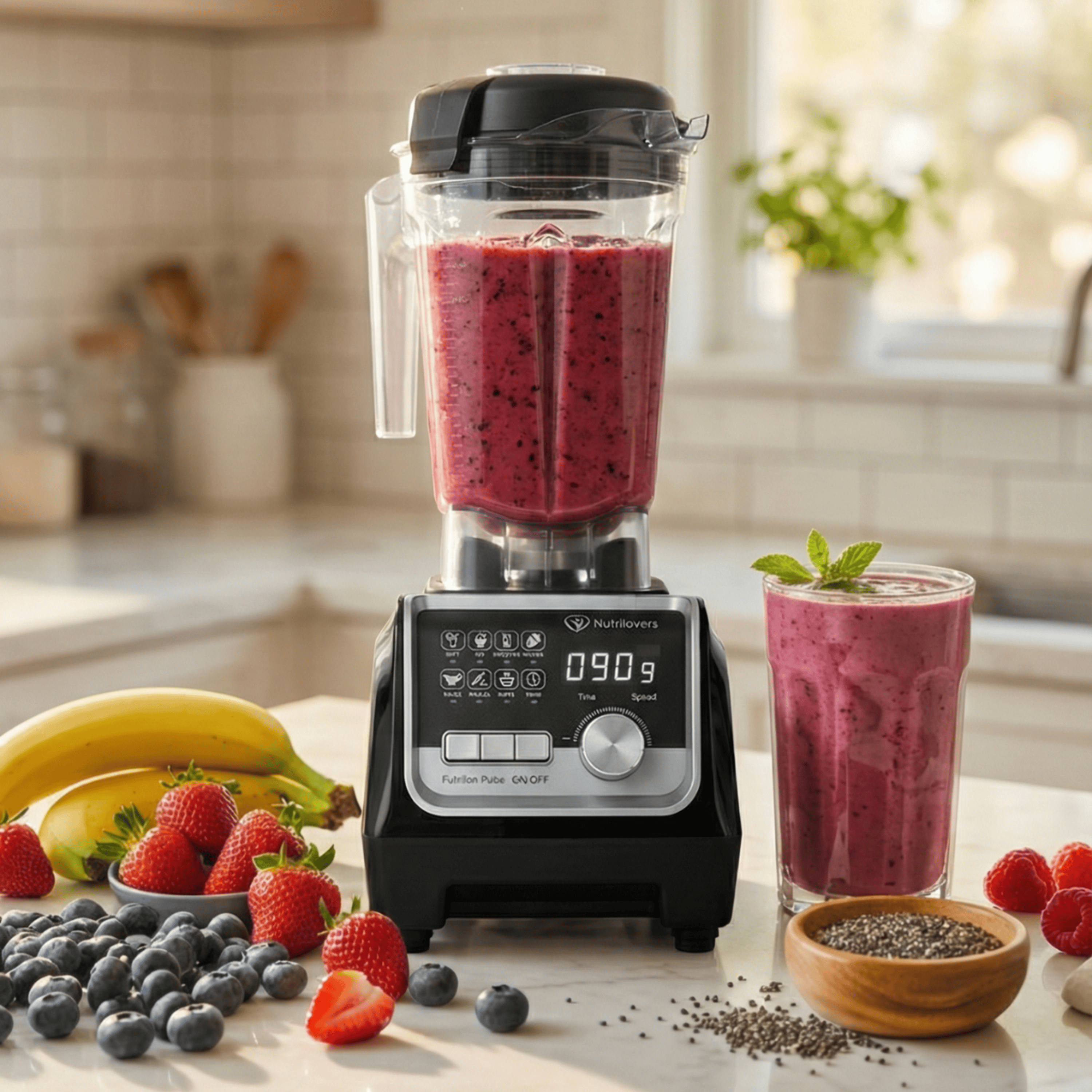
- Blender: For a "sour smoothie," blend gooseberries with banana, yogurt, and a little honey. Important: remove the small stems and blossom ends ("beards") beforehand, otherwise the mouthfeel will be prickly.
- Ice cube maker: Since they have a short shelf life: puree the berries and freeze the pulp in an ice cube maker. These fruity cubes are perfect for topping up sparkling wine or refining yogurt in winter.
Shopping & Storage
Look for plump berries that are not too soft. If they already look translucent or have cracks, they are overripe. At home, they should go straight into the refrigerator's vegetable drawer. Lay them flat next to each other (do not stack, as they are very delicate!) and consume them within 2–3 days.
Use in the kitchen
- Cakes: The famous gooseberry meringue cake is a hit at every summer table.
- Compote: Briefly simmered with vanilla, it goes wonderfully with rice pudding or vanilla ice cream.
- Savory: Cooked as a chutney, gooseberries pair fantastically with cheese or grilled meat – the acidity harmonizes wonderfully with fatty foods.
Fun Facts
- Name: The name does not come from the hairs on the berry, but from the thorns (Stacheln) on the branches of the bush, which make picking an adventure.
- Monastery berry: In the Middle Ages, it was often grown in monastery gardens, which is why it is sometimes called that in some places.
- Skin care: Due to its high silicon content, gooseberries are said to be good for strong fingernails and hair.
Conclusion
The gooseberry is the regional star of midsummer. It is low in calories, rich in fiber, and has anti-inflammatory effects. Although it is very delicate and has a short shelf life, its slightly tart taste is incomparable. Process it quickly – ideally into jam in a bread maker or freeze it in an ice cube maker to preserve summer.