









For a long time, it had a bad reputation. As a staple food in times of hardship ("Swede Winter"), many people were put off by it. But completely unfairly! The rutabaga (also called swede) is a fantastic, native winter vegetable that, with its sweet-tart note and buttery soft consistency, is once again conquering gourmet kitchens today. You can find out why you should definitely give this large root a chance here.
What you should know about rutabagas
The rutabaga is a classic storage vegetable for the cold season. Its season extends from September to March. Since it grows excellently here, it is seasonally available regionally and has a very good eco-balance.
Botanically, it is a cross between a turnip and kohlrabi – which is quite noticeable in its taste.
Nutrients & Effects

The rutabaga is a real immune booster for winter. It is surprisingly rich in Vitamin C, providing important defenses when fresh fruit is scarce. Additionally, it is low in calories (only 38 kcal per 100g) and fits perfectly into light cuisine.
Particularly interesting for a conscious diet: It is blood sugar-friendly, meaning it causes insulin levels to rise slowly. Those who want to de-acidify their body can also reach for the rutabaga, as it has an alkaline effect.
Taste & Consistency
The taste is unmistakable: an earthy taste that is both sweet and slightly cabbage-like. The flesh is firm and yellow-orange.
A note from your overview: Rutabaga is less popular raw. Although it can be eaten thinly grated, its full, mild-sweet aroma only develops when cooked. Raw, it often tastes a bit hard and tart.
Preparation with kitchen appliances
This robust root can be prepared in various ways – your kitchen helpers will be put to full use here:
- Slow Juicer / Juicer: Surprisingly, rutabaga is well suited for juices! Since it is very juicy, it makes a great base for vegetable juices. Combine it with apple and carrot to refresh the earthy taste and create a vitamin bomb.
- Air Fryer: Rutabaga fries are an ingenious low-carb alternative to potatoes. Cut the rutabaga into sticks, season them heartily (paprika, curry) and bake them in the air fryer. They become crispy on the outside and wonderfully sweet and soft on the inside.
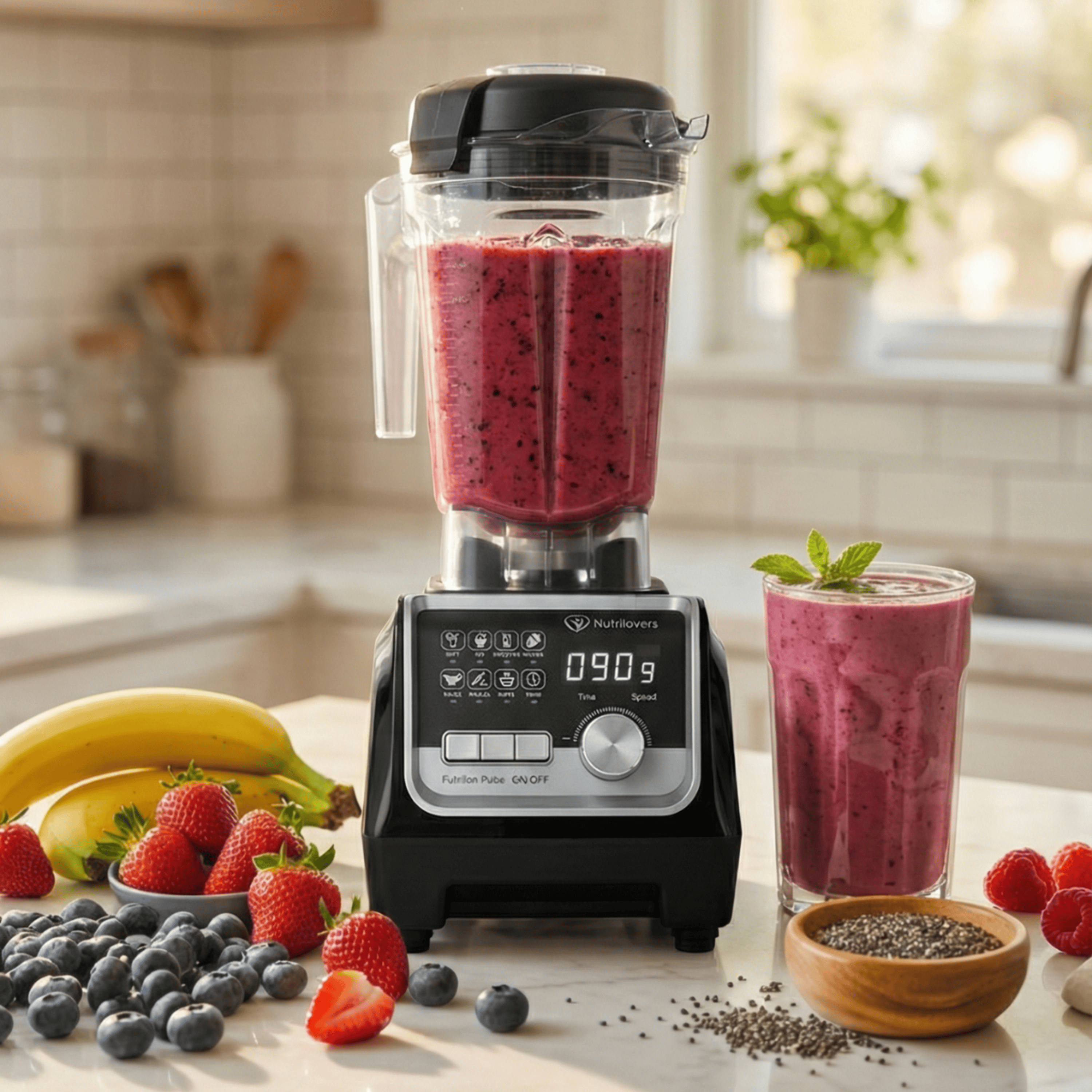
- Blender: Since it is less popular raw, it is best to cook it until soft and then blend it in a blender to a fine puree (as a side dish instead of mashed potatoes) or a creamy soup. With a little cream and nutmeg, it's a delight!
- Bread Maker: A moist farmhouse bread can be made by adding finely grated (or cooked and mashed) rutabaga to the dough. It keeps the bread fresh for a long time and adds a slightly sweet note.
- Ice Cube Maker: Cook a large pot of rutabaga stew base (pureed) and freeze it in ice cube trays. These cubes are perfect for thickening sauces for roasts and adding depth of flavor.
Shopping & Storage
Good rutabagas should feel plump and heavy. The skin should be smooth and not shriveled. Small bulbs are usually more tender than gigantic specimens, which can be woody.
Storage is its specialty: In a cool cellar, it will keep for months. Once cut, wrap it in foil in the refrigerator and use it within a few days.
Usage in the kitchen
-
The classic: rutabaga stew with smoked meat or sausages.
-
Puree: Mashed with butter and carrots ("turnip mash").
-
Vegetarian: Breaded as a schnitzel and fried in a pan.
Fun Facts
-
Swede Winter: During World War I (1916/17), rutabaga was often the only thing that saved people from starvation – there was rutabaga soup, bread, jam, and even coffee. After that, no one wanted to eat it for decades.
-
Chameleon: When cooked, the white-yellow flesh turns an intense golden yellow ("Pineapple of the North").
-
Low-Carb Star: Since it has fewer carbohydrates than potatoes, it is a popular potato substitute in low-carb cuisine.
Conclusion
The rutabaga has long shed its dusty image. It is seasonally regional, rich in Vitamin C, and low in calories. Furthermore, it is blood sugar-friendly and has an alkaline effect. Although it is less popular raw and has an earthy taste, as a creamy puree, juice (it is well-suited for this), or air-fried fries, it is a highlight of winter cuisine.