








It has taken our kitchens by storm in recent years: the sweet potato (batata). Whether as crispy fries in a burger joint or as a stuffed "Kumpir" dish – the orange tuber is a cult. Yet, botanically, it has nothing to do with a regular potato (it's a morning glory, not a nightshade). It's a culinary all-rounder that delivers plenty of nutrients. Here's why you should cook "orange" instead of "yellow" more often.
What you should know about sweet potatoes
Although you can buy them all year round, sweet potatoes have their classic season in autumn and winter, specifically from September to December. During this time, they taste particularly aromatic.
They are extremely versatile and combine well, as they make a good impression in savory curries as well as in sweet desserts (like brownies!).
Nutrients & Effects

The sweet potato is a real nutritional powerhouse. It is considered particularly nutrient-dense, meaning it provides many vitamins and minerals relative to its calories. A real highlight: it is an excellent source of vitamin A (or beta-carotene), which is important for eyes and skin and gives it its vibrant color.
Despite its name and sugar content, it is surprisingly blood sugar friendly. Thanks to complex carbohydrates and fiber, it raises insulin levels more slowly than regular potatoes. It is also very filling, which prevents cravings.
Taste & Texture
The name says it all: it has a distinct sweet taste reminiscent of carrots and pumpkin. This isn't for everyone in savory dishes, but it can be wonderfully balanced with spice (chili) or acidity (lime). The tuber is also very starchy, which makes it wonderfully creamy and soft when cooked.
Preparation with Kitchen Appliances
The sweet potato is a favorite in modern kitchens:
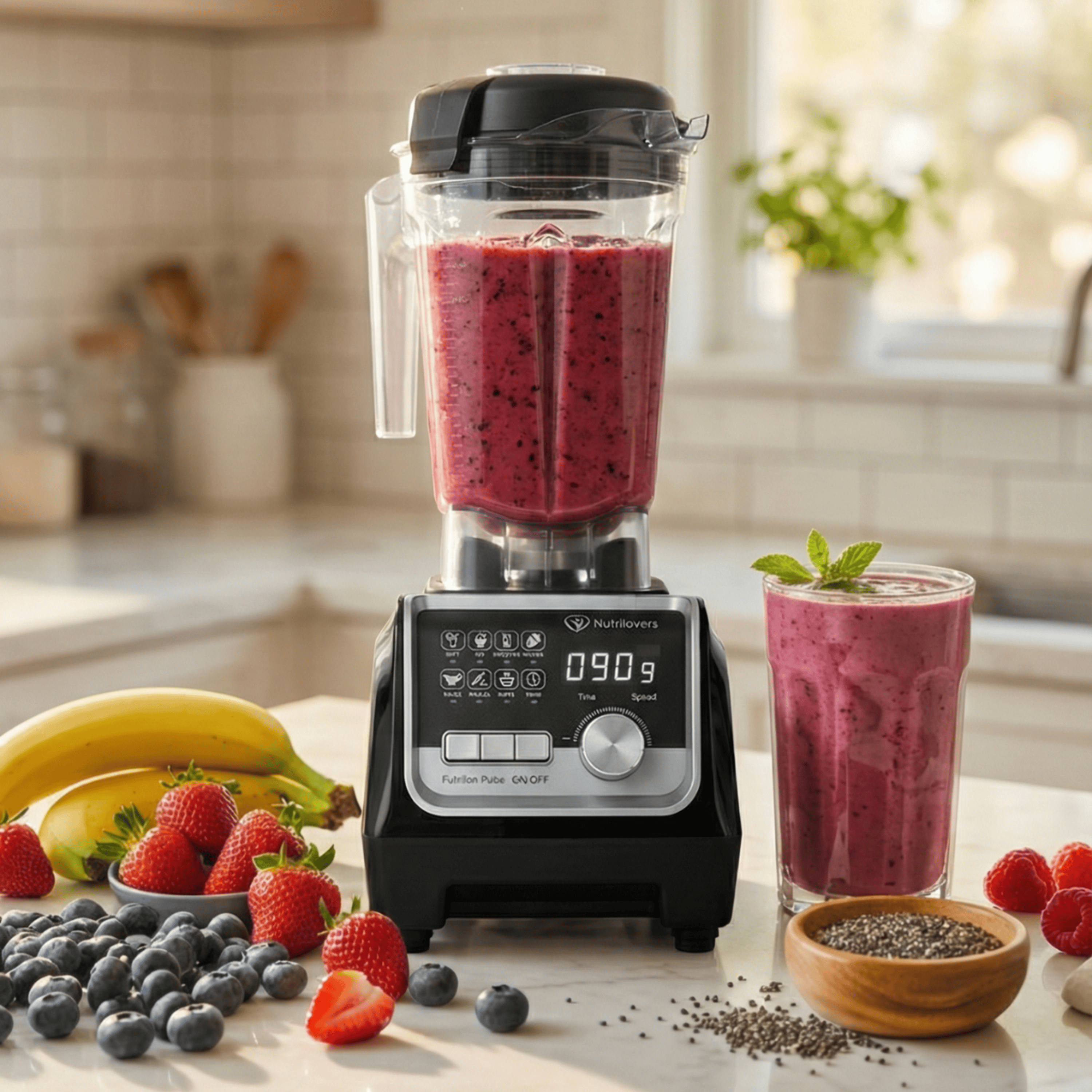
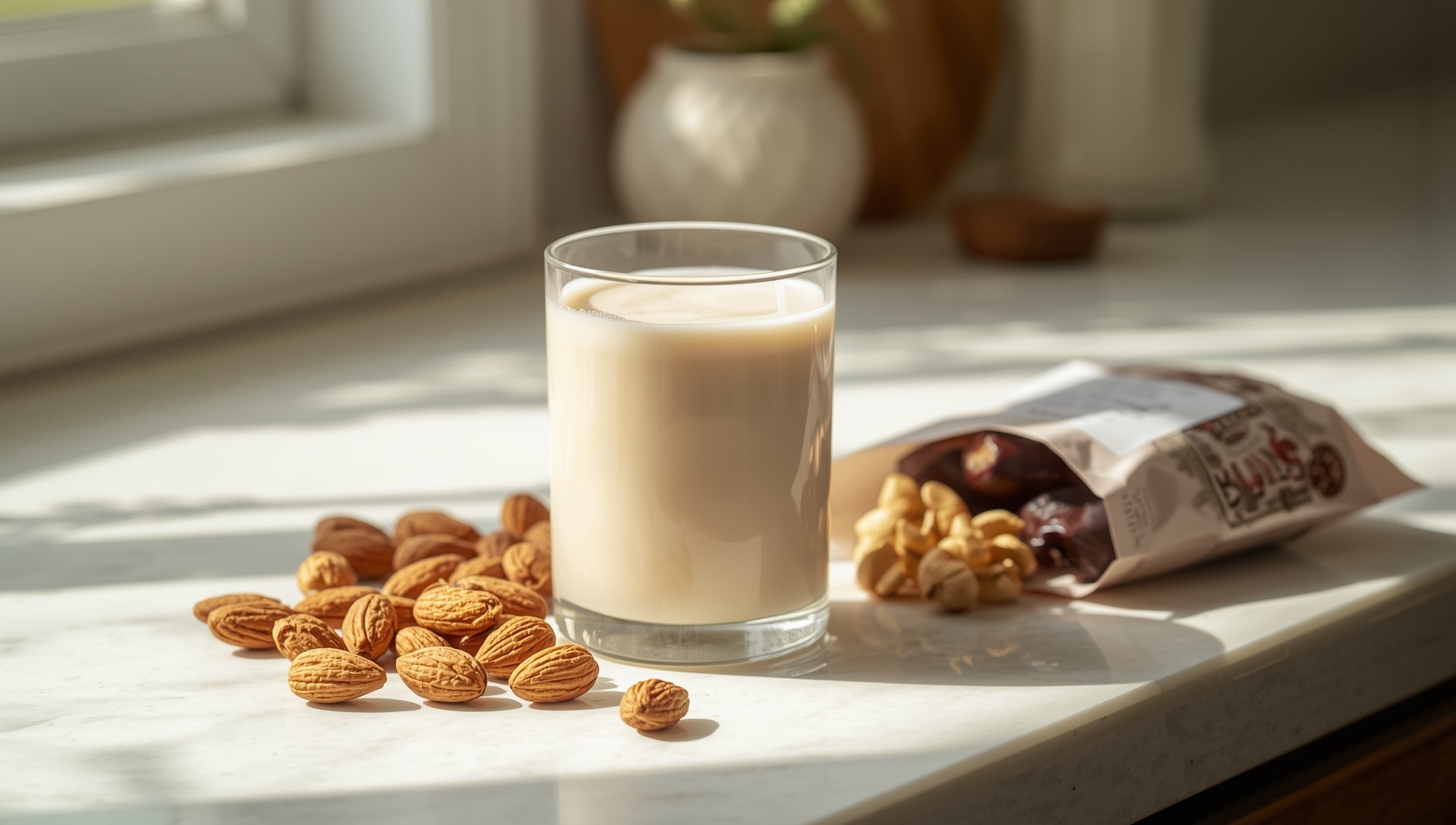
- Blender: This surprises many, but according to your graphic, sweet potatoes are good for smoothies! Cooked and cooled, they make smoothies incredibly creamy and provide natural sweetness without the need for banana. They pair wonderfully with cinnamon, almond milk, and cocoa.
- Air Fryer: The classic par excellence: sweet potato fries! To make them crispy in the air fryer (and not soggy), briefly soak the sticks beforehand (to remove starch), dry them well, and toss them in a little starch and oil.
- Slow Juicer / Juicer: Raw sweet potato can be juiced! The juice is mild and sweet. Mix it with carrot and ginger for a bright orange immune booster. Since it's nutrient-dense, it's a concentrate of pure energy.
- Bread Maker: Due to its high starch content, it makes bread super moist. A sweet potato bread (with puree in the dough) stays fresh for days and has a great color.
- Ice Cube Tray: Cook sweet potatoes, mash them, and freeze the puree in ice cube trays. These cubes are perfect for thickening sauces or for quickly adding to your morning smoothie.
Buying & Storage
Look for firm tubers without soft spots or "eyes" (sprouts). The skin should be smooth. Important: sweet potatoes are sensitive to cold! Never store them in the refrigerator, as they will become hard and lose flavor there. A dry, dark pantry at room temperature is ideal.
Uses in the Kitchen
- Baked Potato: Baked whole in the oven and filled with sour cream.
- Soup: Pureed with coconut milk, ginger, and curry paste.
- Toast Substitute: Sliced and toasted ("Sweet Potato Toast"), then topped with avocado.
Fun Facts
- Eating Leaves: In their native countries, the leaves of the sweet potato plant are also eaten – they are prepared like spinach.
- Space Food: NASA selected the sweet potato for long-duration space missions because it provides so many nutrients in a small space.
- Yam Confusion: In the US, they are often called "yams," although the true yam is an entirely different vegetable (much larger, starchier, and less sweet).
Conclusion
The sweet potato is far more than just a potato substitute. It is a top vitamin A source, nutrient-dense, and filling. Particularly exciting is that it is well-suited for smoothies – a quality that hardly any other root vegetable offers. Although it is very starchy and has a dominant sweet taste, that's precisely what makes it so versatile. Grab some during the season from September to December!