






Is there anything better than biting into a cold piece of watermelon on a hot day? Probably not! These giant green spheres are the epitome of summer holidays and outdoor pools. Botanically speaking, the "melon" is actually a cucurbit and thus a vegetable. But whether fruit or vegetable – it's the tastiest way to stay hydrated. Here you'll find out why it's a real beauty booster despite its high water content.
What you should know about watermelons
The watermelon is a rare treat. Its season is a classic short one, lasting only from July to September. During these months, it tastes sweetest and juiciest.
It consists of over 90% water, making it the perfect snack for hot days when you often forget to drink.
Nutrients & Effects

If you want to lose weight, you can rejoice: watermelon is extremely low in calories (only 30 kcal per 100g).
Although it contains rather few nutrients per gram compared to "density wonders" like kale (because it has so much water), the contained substances are powerful: it is a great source of vitamin A for eyes and skin. It is also rich in lycopene. This red pigment is a powerful antioxidant that protects your cells. According to Traditional Chinese Medicine (TCM), the fruit also has a cooling effect on the body – ideal for summer heat or hot flashes.
Taste & Texture
The flesh is crisp, grainy, and melts into juice in your mouth immediately. The taste is fresh and sweet.
Preparation with kitchen appliances
Watermelon is extremely easy to prepare and loves your kitchen appliances:
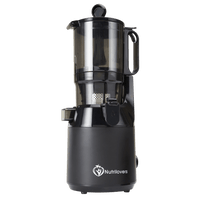
- Slow Juicer / Juicer: An absolute highlight: watermelon can be juiced quickly. You hardly need to prepare it (just remove the hard green rind), the seeds can be juiced along with it (they even contain magnesium!). The juice is the perfect natural isotonic drink.
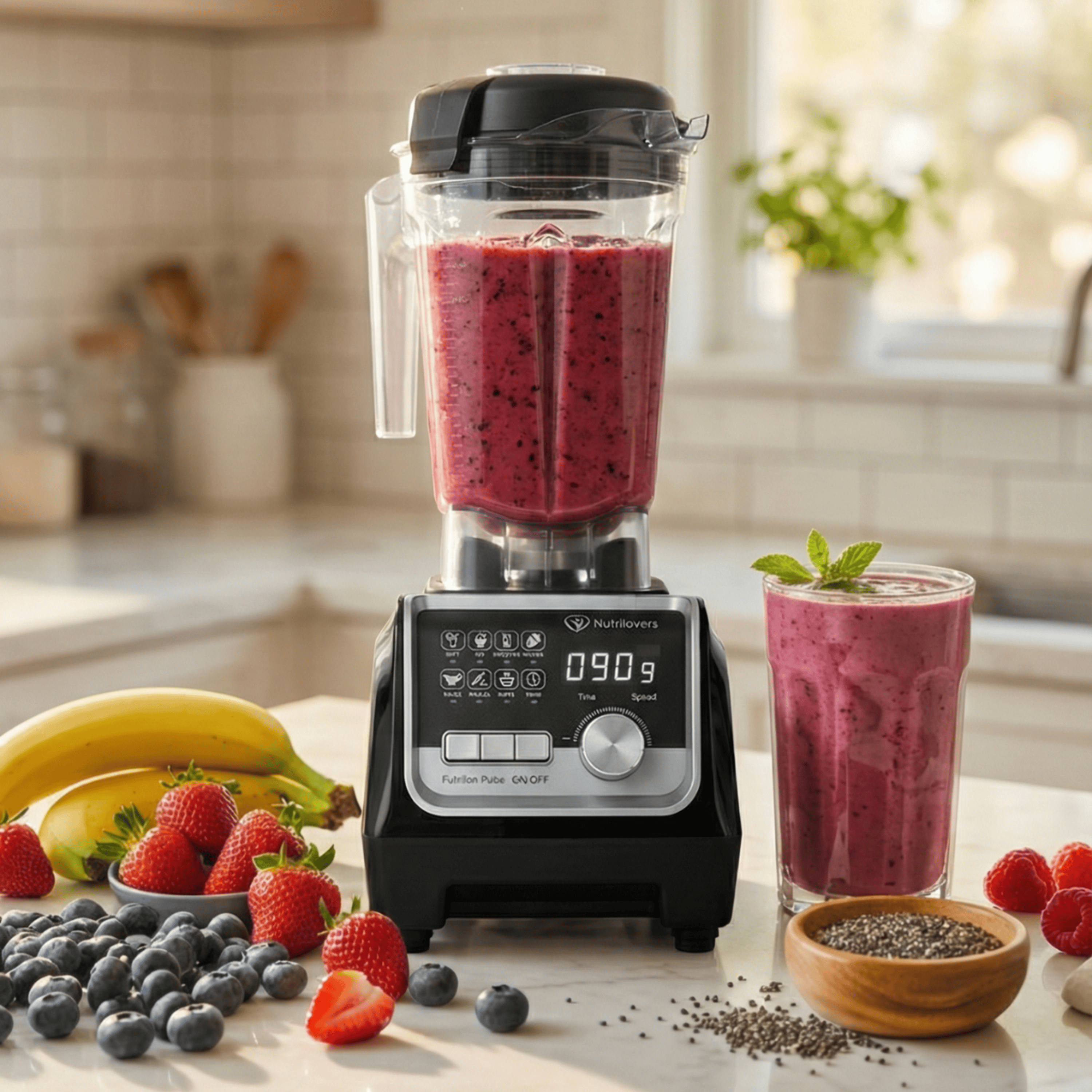
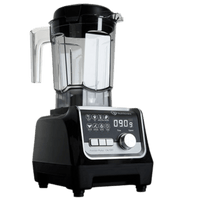
- Blender: A "Watermelon Slushie" is a hit at any barbecue. Freeze melon cubes and then blend them in a blender with some lime and mint to make an ice-cold sorbet for spooning or drinking. Since it's a perfect summer snack, you often don't need extra sugar.
- Ice Cube Maker: Puree the fruit pulp and freeze it in an ice cube maker. These red cubes look great in a glass of mineral water or sparkling wine and cool the drink without watering it down.
- Air Fryer: Sounds crazy, but "Grilled Watermelon" also works in the air fryer! Cube the melon, put it briefly (!) at high heat in the basket. It caramelizes slightly and then fits perfectly lukewarm into a savory feta salad.
- Dehydrator: You can dehydrate watermelon ("Watermelon Jerky"). The water evaporates, leaving behind a chewy, extremely sweet candy that tastes almost like fruit gums.
Buying & Storing
A perfect melon sounds hollow and dark when you tap it. A yellow spot on the side is a good sign – that's where it lay in the field and ripened in the sun.
A whole melon will keep for up to two weeks when stored in a cool place. Once cut, it must be stored in the refrigerator and should be eaten within 2-3 days, as it ferments quickly.
Uses in the kitchen
- Salad: The classic: watermelon, feta, mint, and black olives. The combination of sweet, salty, and cooling freshness is unbeatable.
- Soup: Cold melon soup (Gazpacho-style) with cucumber and chili.
- Rind: The white layer between the red flesh and the green skin is edible! You can pickle it sweet and sour like cucumbers (pickles).
Fun Facts
- Rectangular melons: In Japan, melons are grown in square glass boxes so they stack better in the refrigerator.
- Eating seeds: Don't spit out the seeds! Chewed or juiced, they provide valuable fiber and protein.
- Relatedness: As a cucurbit, it is closely related to cucumbers and zucchini.
Conclusion
Watermelon is the ultimate summer snack. It's low in calories, cooling, and rich in lycopene. Although it has few nutrients per serving and a short season, it's indispensable as a quickly juiced thirst quencher or a source of vitamin A. Enjoy it to the fullest from July to September!