









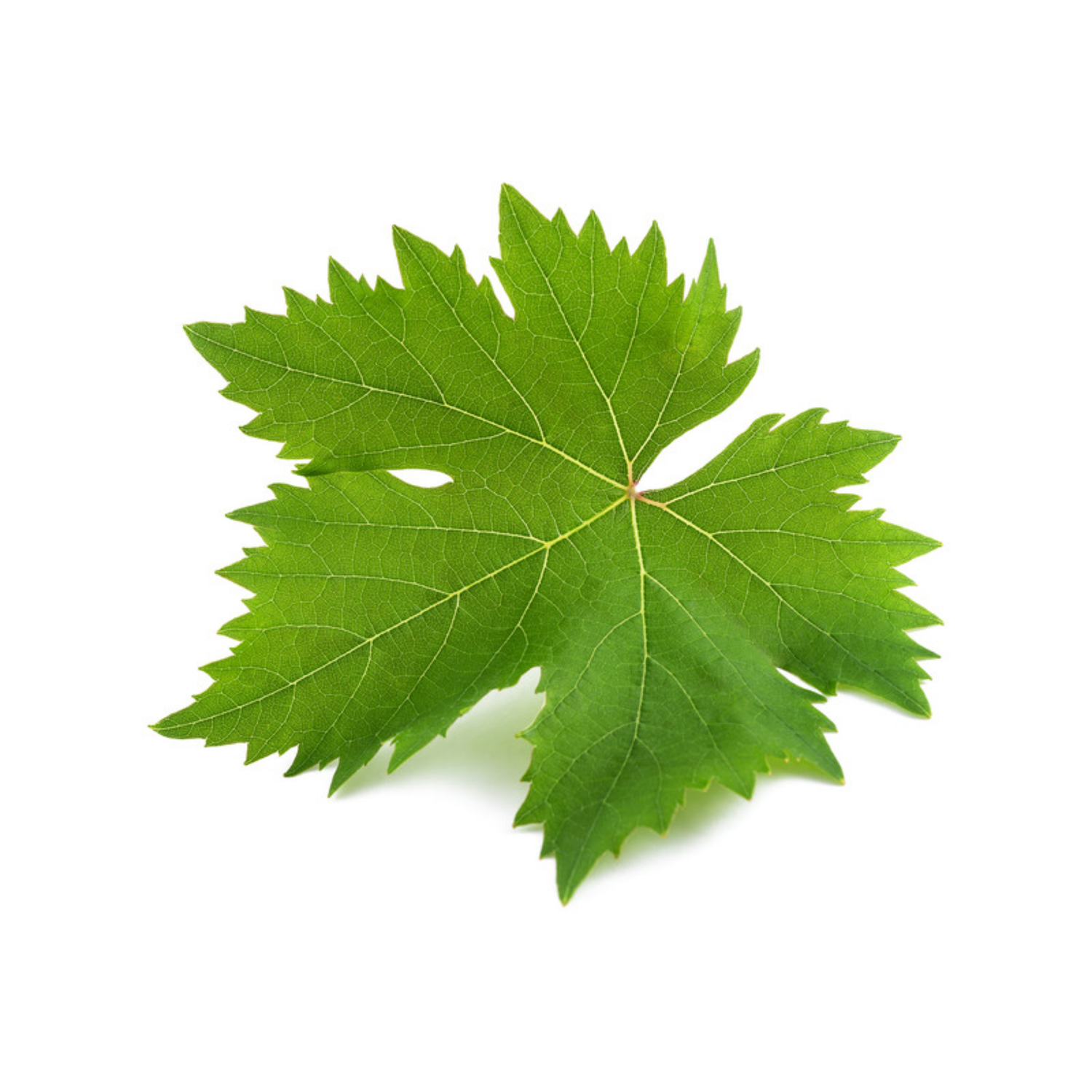
When you think of grapevines, do you only think of juicy grapes or fine wines? Then you're missing out! While we usually focus on the fruit, a real treasure is hidden in the green foliage. The grape leaf is much more than just "packaging" for rice at a Greek restaurant – it's alkaline, regional, and full of surprises. Find out here why you should reach for green more often.
What you should know about grape leaves
The grape leaf is rare and special. Its season is short, limited to early summer, more precisely from May to July. During this time, the leaves are still tender enough for harvesting but have already developed their full aroma.
Unlike ubiquitous salads, the grape leaf is an unusual ingredient in home cooking that you can use to wonderfully surprise guests. And the best part: if you have access to unsprayed grapevines, it's even regionally available.
Nutrients & Effects

Those who watch their weight can rejoice: grape leaves are extremely light, with only 30 kcal per 100g. The fat content is also negligibly low at 0.4g.
But the green leaf can do even more:
- Alkaline: Perfect for anyone looking to balance their acid-base levels. The grape leaf is classified as alkaline.
- Digestive aid: With 3.3g of fiber per 100g, it's rich in fiber and good for your gut.
- Health: Grape leaf is also said to have a blood pressure-lowering effect, making it a heart-friendly food.
Taste & Texture
Fresh grape leaves taste slightly sour, tart, and zesty-fresh. The raw texture is firm and fibrous. Therefore, there's an important rule: grape leaves are not edible raw. They are too tough and difficult to digest. To enjoy them, they must be blanched, boiled, or stewed.
Preparation with kitchen appliances
Even if grape leaves are mostly known for being stuffed, they love your kitchen appliances:
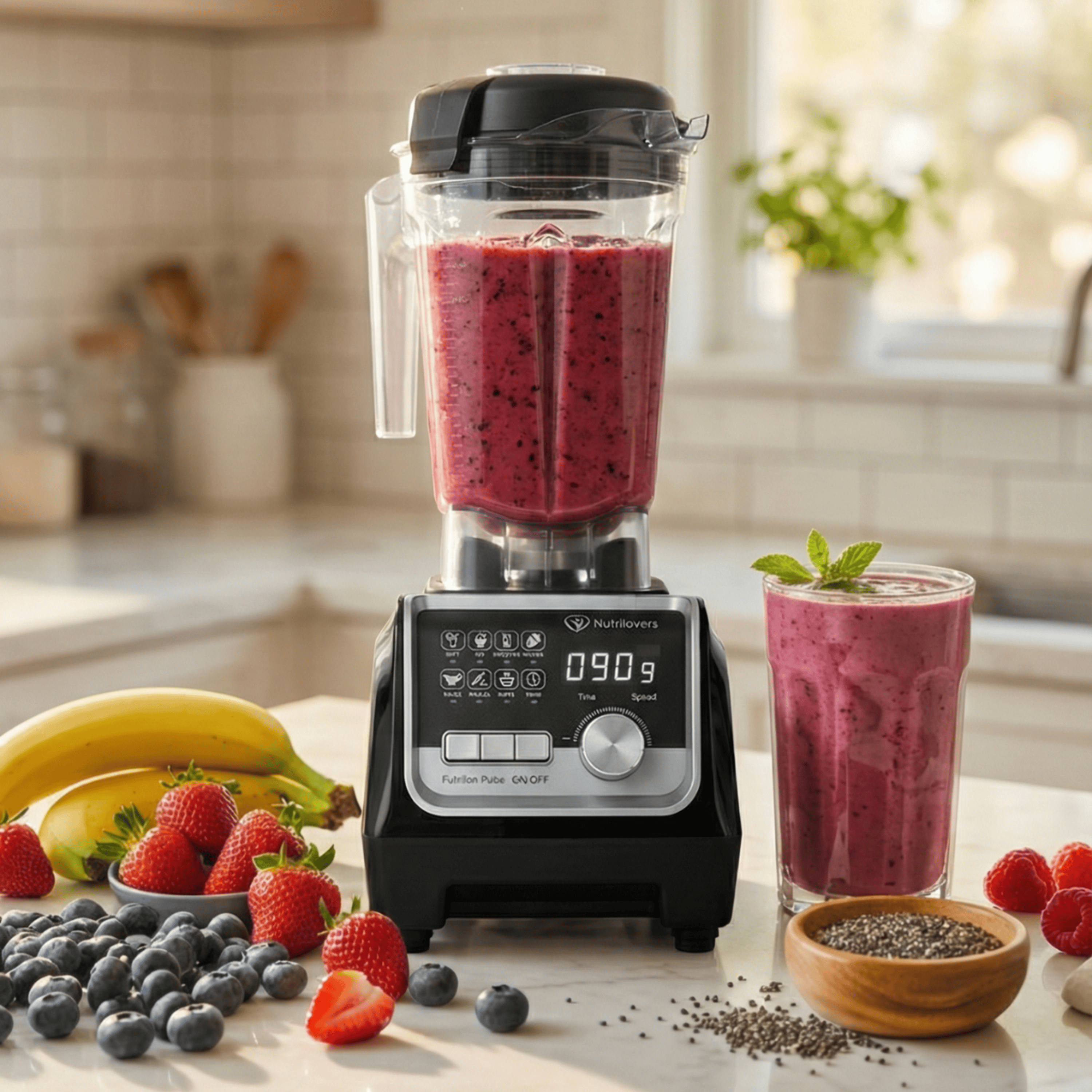
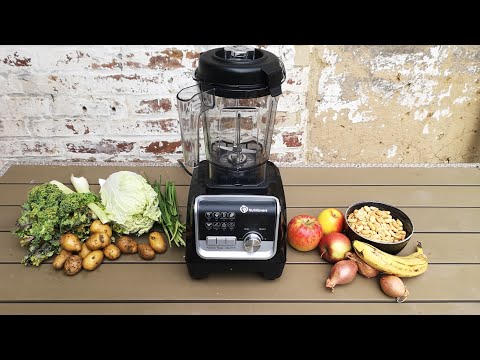
- Blender: You can process blanched grape leaves with walnuts, garlic, olive oil, and Parmesan into a tart, extraordinary pesto. Since the leaf is highly versatile, it pairs perfectly with pasta.
- Slow Juicer / Juicer: For advanced juicers! Young, tender grape leaves can be juiced together with apples and cucumber. This provides an extreme chlorophyll kick. But be careful: use only small quantities, as the taste is very intense.
- Dehydrator: You can dry washed leaves and then crumble them by hand. The powder is suitable as a mineral-rich seasoning for salts or smoothies. Or you can make your own tea infusion from it (red vine leaves are known for venous health).
- Air fryer: Crispy grape leaf chips? Simply brush the blanched and well-dried leaves with a little oil and bake them until crispy in the air fryer. A healthy snack for a TV evening.
Shopping & Storage
During the season, fresh grape leaves can be found at farmers' markets or in well-stocked Turkish/Greek supermarkets. Make sure they are light green and tender. Out of season, you can use leaves preserved in brine, sold in jars. Storage: Fresh leaves only keep for a few days in the refrigerator. It's best to blanch them briefly and then freeze them in stacks – this way you have a supply all year round.
Use in the kitchen
The grape leaf is a team player. Since it can mostly only be used as an ingredient (e.g., as a wrapper), it needs partners:
- Stuffed (Dolmades): The classic with rice, herbs, onions, and plenty of lemon.
- In the pot: If you line the bottom of your stew pot with grape leaves, your meat or vegetables won't burn and will get a great aroma.
- Fish: Wrap delicate fish in a grape leaf before steaming or grilling it. This keeps it juicy.
Fun Facts
- The name: Dolmades comes from the Turkish word "dolmak," which means "to be filled."
- Not every vine: The leaves of white grape varieties (e.g., Sultana) are best for eating, as the leaves of red grapes are often thicker and tougher.
Conclusion
The grape leaf is the hidden champion of summer. It's low in calories, alkaline, and regionally available. Although it's not edible raw and requires some preparation, the effort is worth it for the unique taste and healthy ingredients. Dare to try the green from the grapevine!