









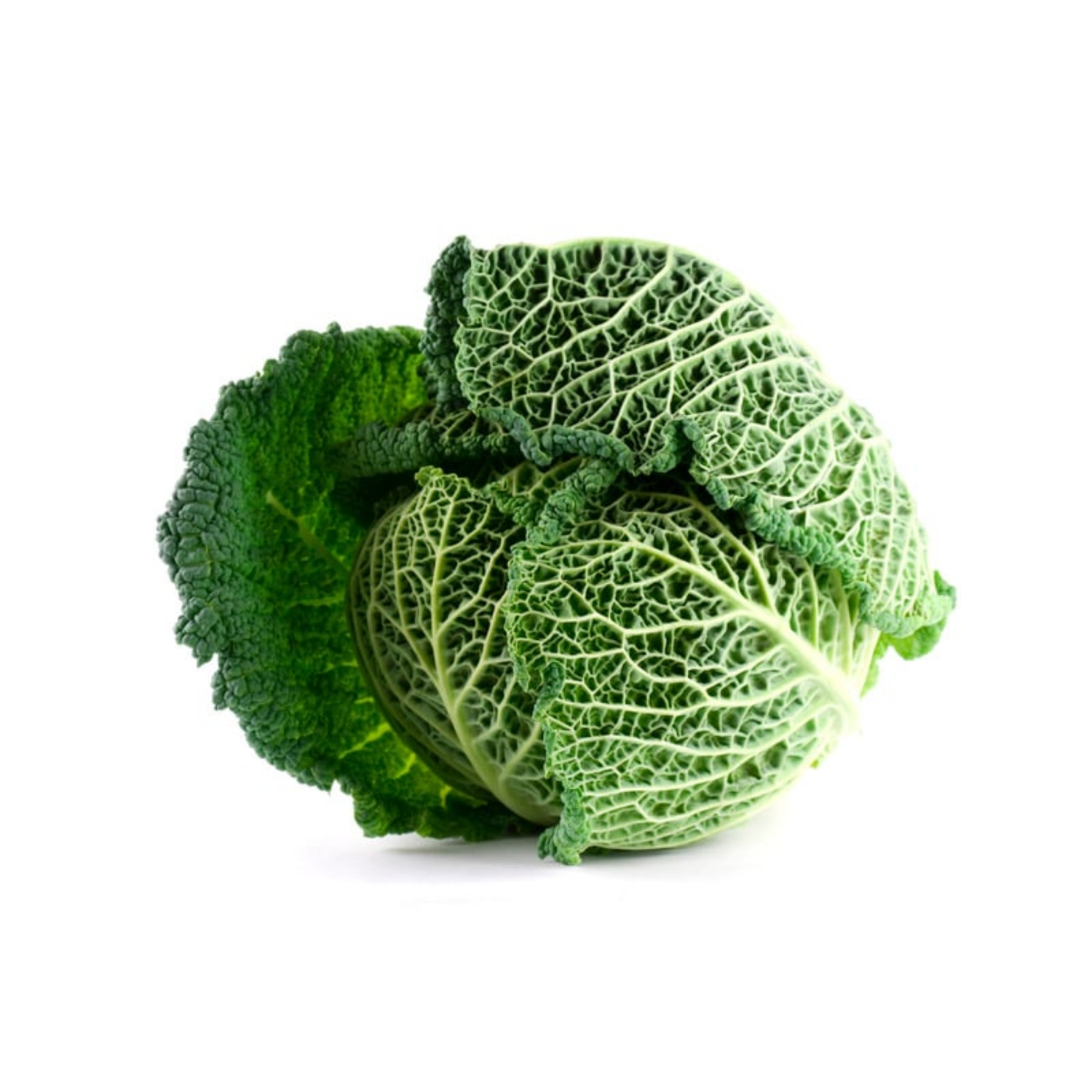
Do you know that cabbage with dark green, crinkled leaves? Savoy cabbage not only looks prettier than its smooth-leaved relative, but it also tastes a little finer and nuttier. Long dismissed as a mere soup ingredient, it's now making a comeback as a healthy superfood – for example, as crispy chips!
Read on to find out why savoy cabbage should be on your plate, especially in the colder months, and how you can creatively prepare it with your kitchen appliances.
What you should know about savoy cabbage
Savoy cabbage is a prime example of sustainability. It is regionally available, guaranteeing short transport routes and freshness. Its season – typical for cabbage – is in the cooler months: From September to March, you can get it fresh from the field.
Nutrients & Effects

Savoy cabbage is also a true lightweight for your figure. With only 27 kcal per 100 g, you can really dig in.
What makes it special:
- Antioxidant: It contains valuable substances that have an antioxidant effect and protect your cells.
- Blood pressure lowering: Its ingredients can help regulate blood pressure (antihypertensive).
- Alkaline: Perfect for a balanced diet, as it is metabolized in an alkaline way.
- Rich in fiber: With a hearty 3.0 g of fiber per 100 g, it keeps you full for a long time and cares for your gut.
- Protein boost: For a vegetable, it provides a decent portion of plant-based protein with 2.4 g of protein.
The two small drawbacks
As with almost all types of cabbage, there are two points to consider here:
- Intense smell: Savoy cabbage can smell a bit strong when cooked (intense odor). A splash of vinegar or lemon juice in the cooking water helps immediately.
- Can cause bloating: Savoy cabbage can cause bloating. The solution: Season your dishes with caraway, anise, or ginger to make it more digestible.
Preparation with your kitchen appliances
The curly leaves of savoy cabbage are perfect for creative kitchen appliance hacks:
-
Air fryer: The absolute highlight! Tear the savoy cabbage leaves into bite-sized pieces, massage them with a little oil and salt, and put them in the air fryer. The crinkled structure makes them even crispier than regular chips. The perfect healthy snack.
- Slow juicer / Juicer: It's black on white on your menu: savoy cabbage is good for juicing. Its dark green juice is packed with chlorophyll. Mix it with apple, lemon, and ginger for an ultimate immune booster.
- Multi-chopper: Cutting savoy cabbage can be tedious. Roughly chop the head and let the multi-chopper do the rest. This way, you'll have the perfect base for creamed savoy cabbage, fillings, or stews in seconds.
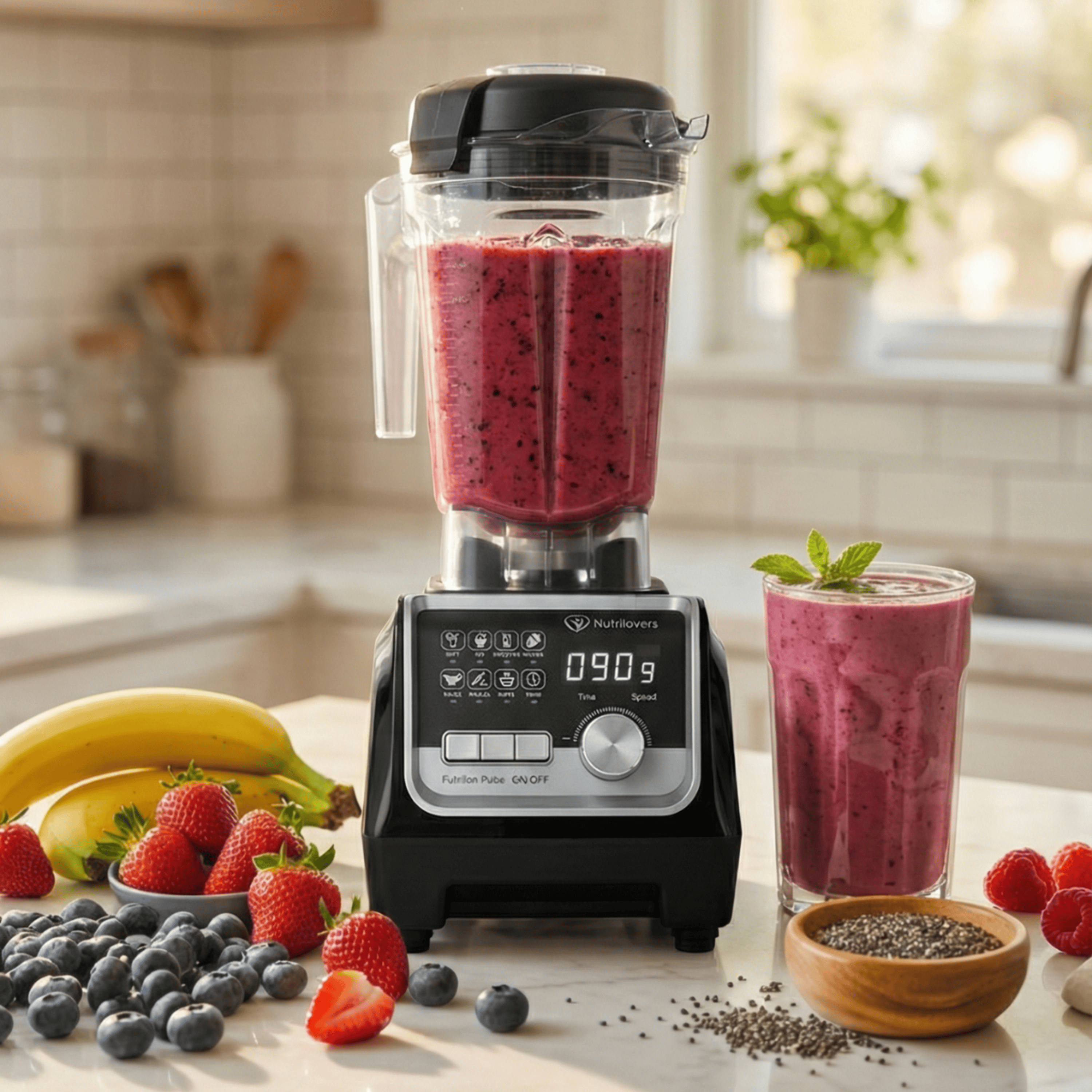
- Blender: Savoy cabbage in a smoothie? Absolutely! The leaves are softer than kale, but should still be mixed vigorously. Combine it with banana and pear – you'll hardly taste the cabbage, but you'll get all the nutrients.
- Bread maker: A hearty savoy cabbage bread is a delight in winter. Add finely chopped (or briefly steamed) savoy cabbage along with diced ham or walnuts to the dough in your bread maker. The result is juicy and flavorful.
Buying & Storage
Fresh savoy cabbage rustles when you shake it. The outer leaves should be crisp green and not feel wilted. Storage: It keeps in the refrigerator for about a week. Tip: Do not place it directly next to apples or tomatoes, otherwise it will wilt faster.
Conclusion
Savoy cabbage is much more than just a side dish. It is antioxidant, blood pressure lowering, and provides valuable proteins. Although it has a somewhat intense smell, it rewards you with flavor and versatility. Be sure to try the savoy cabbage chips from the air fryer – they will convince you! Use the season until March.