







When you think of cinnamon, do you immediately think of Christmas, cookies, and mulled wine? While that's true, cinnamon can do much more than just spread festive cheer. The brown powder (or stick) is one of the oldest and most potent medicinal spices in the world. It regulates blood sugar, warms from within, and simply tastes irresistible.
We'll now tell you why cinnamon belongs at the front of your spice rack and how you can creatively use it with your kitchen appliances.
What you should know about cinnamon
Cinnamon is the dried bark of the cinnamon tree. Unlike seasonal fruits, it's available year-round, so you can enjoy its benefits anytime. Cinnamon is known for being extremely fragrant and aromatic – even a small pinch can change the character of an entire dish.
Nutrients & Effects

The nutritional table holds a huge surprise: cinnamon is an absolute fiber marvel! It contains an incredible 53.1 g of fiber per 100 g. This makes it satisfying, even in small amounts.
Why cinnamon is so healthy:
- Blood sugar regulating: This is its superpower. Cinnamon regulates blood sugar and prevents your insulin levels from rollercoastering after eating. This prevents cravings.
- Antioxidant: It's packed with antioxidants that protect your body from free radicals and inhibit inflammation.
- Calories: Although it has 247 kcal per 100 g, since it's only used in grams, these calories are barely significant.
What you need to pay attention to
Cinnamon is potent. Therefore, there are two limitations on your menu:
- Only in small amounts: The spice should only be consumed in small quantities. More is not always better here!
- Coumarin exposure: Coumarin exposure is possible. This particularly affects the cheaper Cassia cinnamon.
-
-
Pro tip: Opt for the slightly more expensive Ceylon cinnamon. This contains hardly any coumarin and has a finer taste.
-
Preparation with your kitchen appliances
Cinnamon is extremely versatile and enhances almost everything that comes out of your appliances:
- Bread Maker: There's nothing better than the smell of fresh cinnamon bread. Simply add 1-2 teaspoons of cinnamon (and perhaps raisins) directly to the baking mix. Your machine will conjure up a fluffy, aromatic breakfast bread that keeps blood sugar stable.
- Air Fryer: The healthy snack for in-between meals: Slice apples into rings or cubes, sprinkle them with cinnamon, and "bake" them briefly in the air fryer. It tastes like baked apples but is super quick and without added sugar. Nuts can also be roasted this way.
- Slow Juicer / Juicer: Cinnamon sticks cannot be juiced (they are too hard wood!). But: Stir a pinch of cinnamon into your freshly squeezed apple and carrot juice. The fat-soluble components in cinnamon even help the body absorb vitamins better and give the juice a warming note.
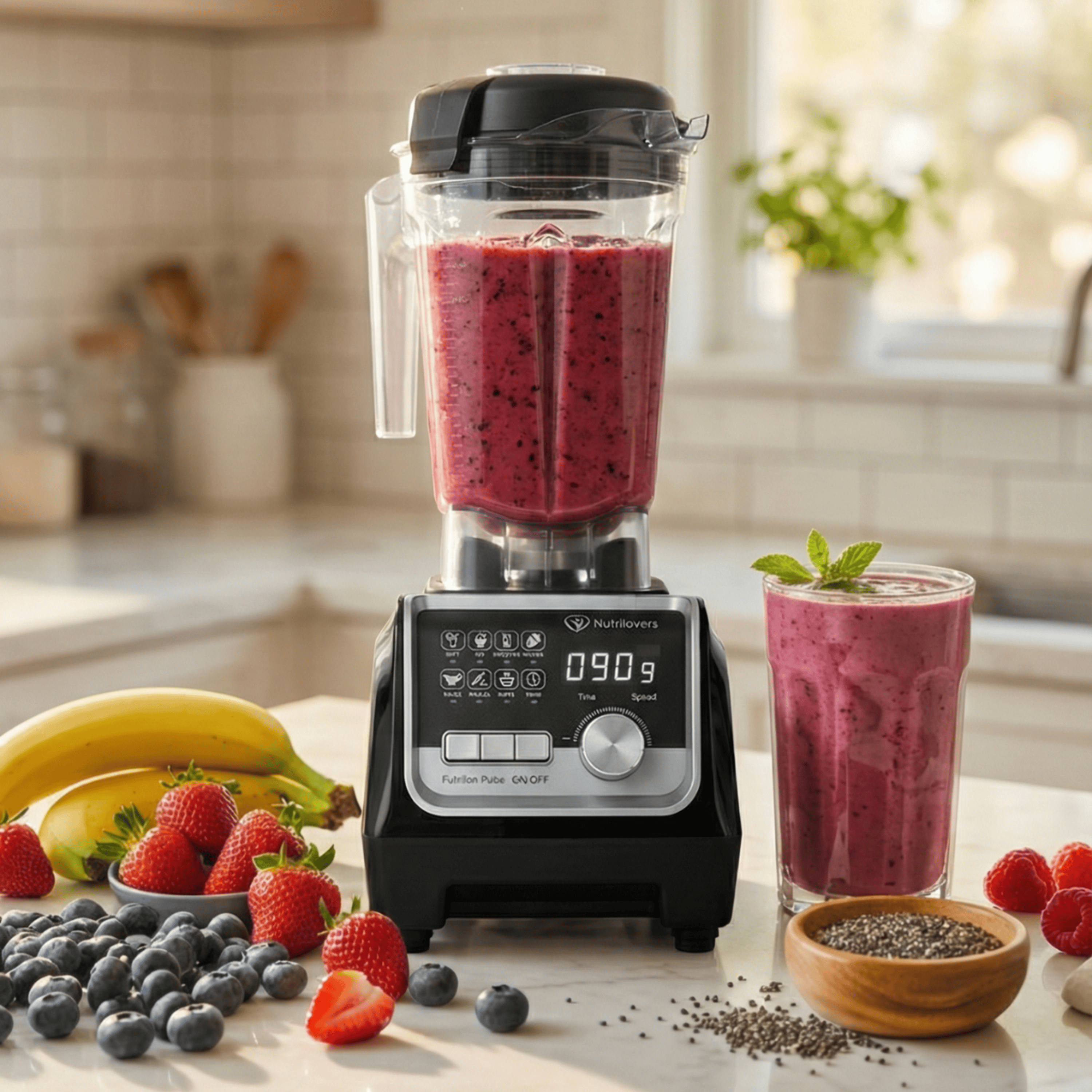
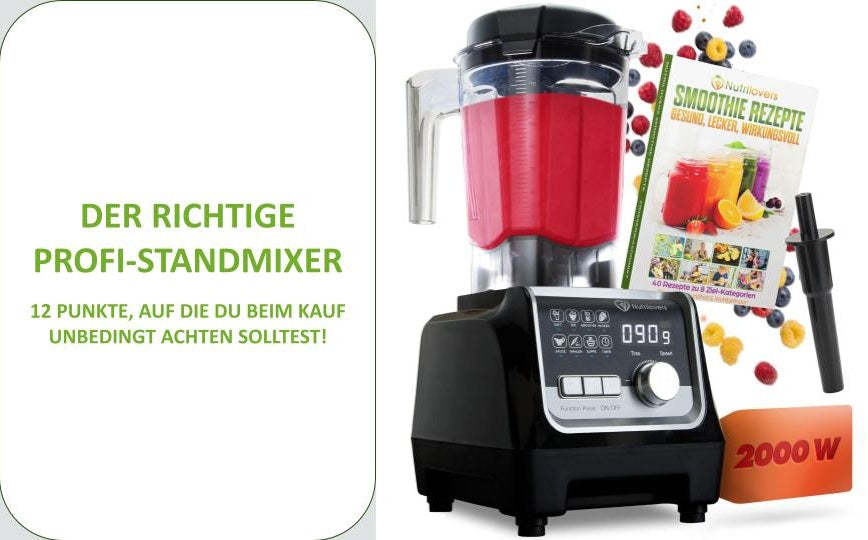
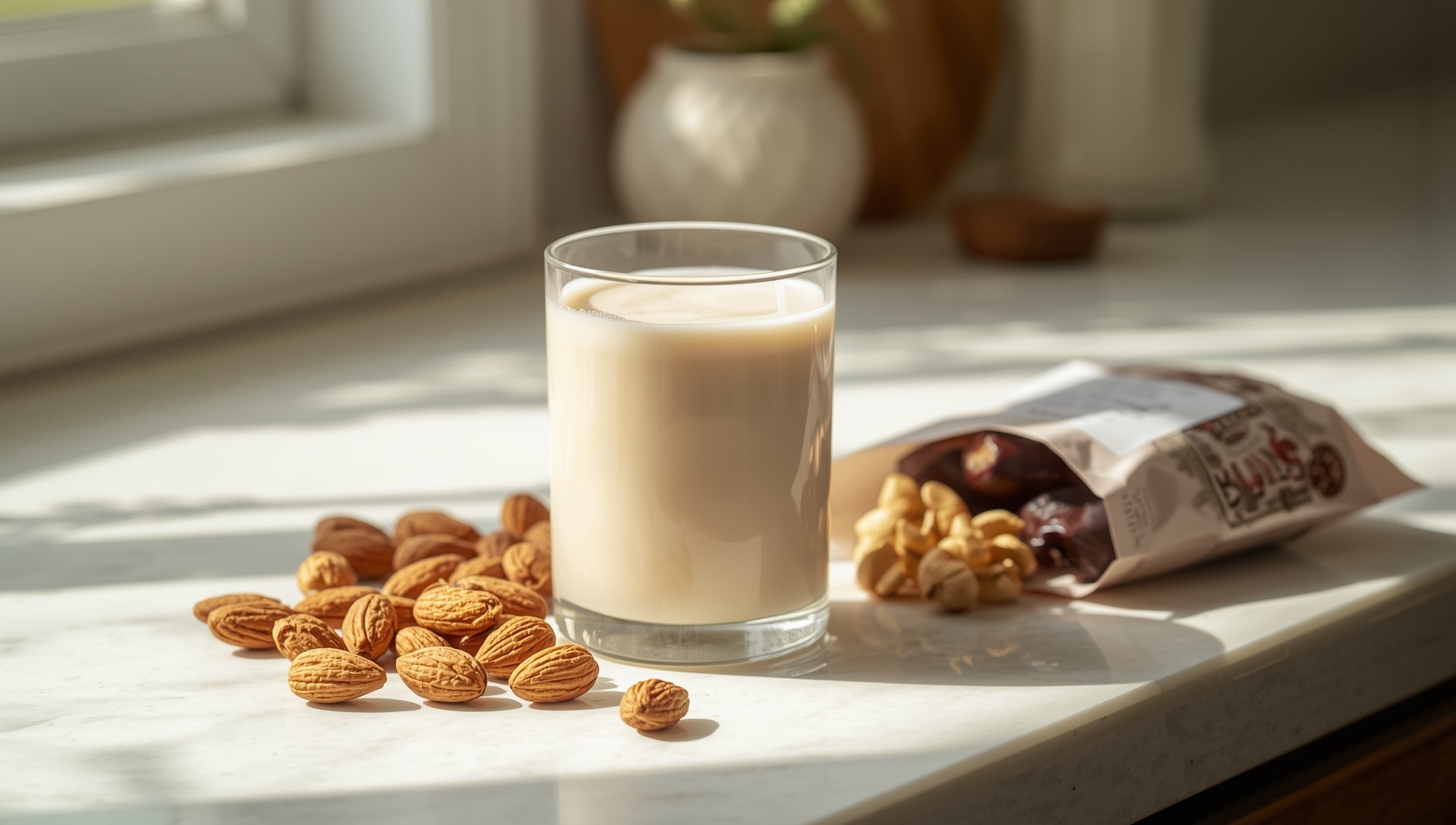
- Blender: The classic for a winter smoothie. Banana, oat milk, almond butter, and a generous pinch of cinnamon in the blender make a drink that tastes like liquid cake but is super healthy. Also perfect for "Golden Milk" with turmeric.
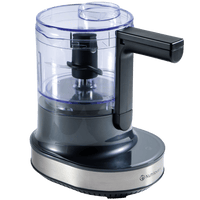
- Food Processor: Make your own energy balls! Throw dates, nuts (walnuts work great!), and cinnamon into the food processor. Form the sticky mixture into balls – and you have the perfect snack to beat the afternoon slump.
Use in the kitchen
Cinnamon can do more than just rice pudding. Dare to try it in savory dishes too:
- Sweet: Porridge, fruit salad, pastries.
- Savory: In chili con carne, Indian curries, or with lamb dishes, a pinch of cinnamon provides incredible depth of flavor.
Conclusion
Cinnamon is the spice for body and soul. It is filling, antioxidant, and helps you lose weight due to its blood sugar-regulating effect. When buying, look for Ceylon cinnamon to avoid coumarin exposure, and enjoy it year-round – ideally in fresh cinnamon bread from your bread maker or as a topping on air-fried apples!