










Sour makes you happy – and healthy! The lemon is the undisputed star in the world of vitamins. Whether in hot tea in winter or as a refreshing lemonade in summer: it's an indispensable part of our kitchen.
Here you'll find out why the sour fruit is a true alkaline wonder and how to process it perfectly (without a sour face) with your kitchen appliances.
What you should know about lemons
The lemon is a loyal companion, as it is available all year round. No matter when you need a vitamin boost, it's there. Its taste is unmistakably sour and refreshing, making it the perfect ingredient for drinks and light dishes.
Nutrients & Effects

If you're watching your calories, you'll love lemons. With just 29 kcal per 100g, they are extremely low in calories. Fat also plays no role at 0.3g.
But its true strength lies in its effect on your body:
- Immune System Booster: It's well-known for this: The lemon strengthens the immune system thanks to its high vitamin C content.
- Alkaline-forming: Although it tastes sour, it has an alkaline-forming effect in the body. This is brilliant for counteracting acidification.
- Digestion Aid: A glass of lemon water in the morning stimulates digestion and wakes you up.
- Natural Antibiotic: The essential oils and acids have an antibacterial effect and help the body ward off pathogens.
The two small drawbacks
Lemons are potent, so there are two things to consider:
- Tooth enamel: The fruit acid is aggressive and attacks tooth enamel. Tip: Don't brush your teeth immediately after consuming lemon water; first rinse your mouth with plain water.
- Taste: It is very sour, which some people find barely enjoyable on its own. Combining it with other ingredients helps here.
Preparation with your kitchen appliances
Get the most out of lemons – with your helpers:
- Slow Juicer / Juicer: The classic for your health: The ginger-lemon shot. Juice lemon (without the bitter white pith) together with ginger and apple. This is the ultimate kick for your immune system in the morning!
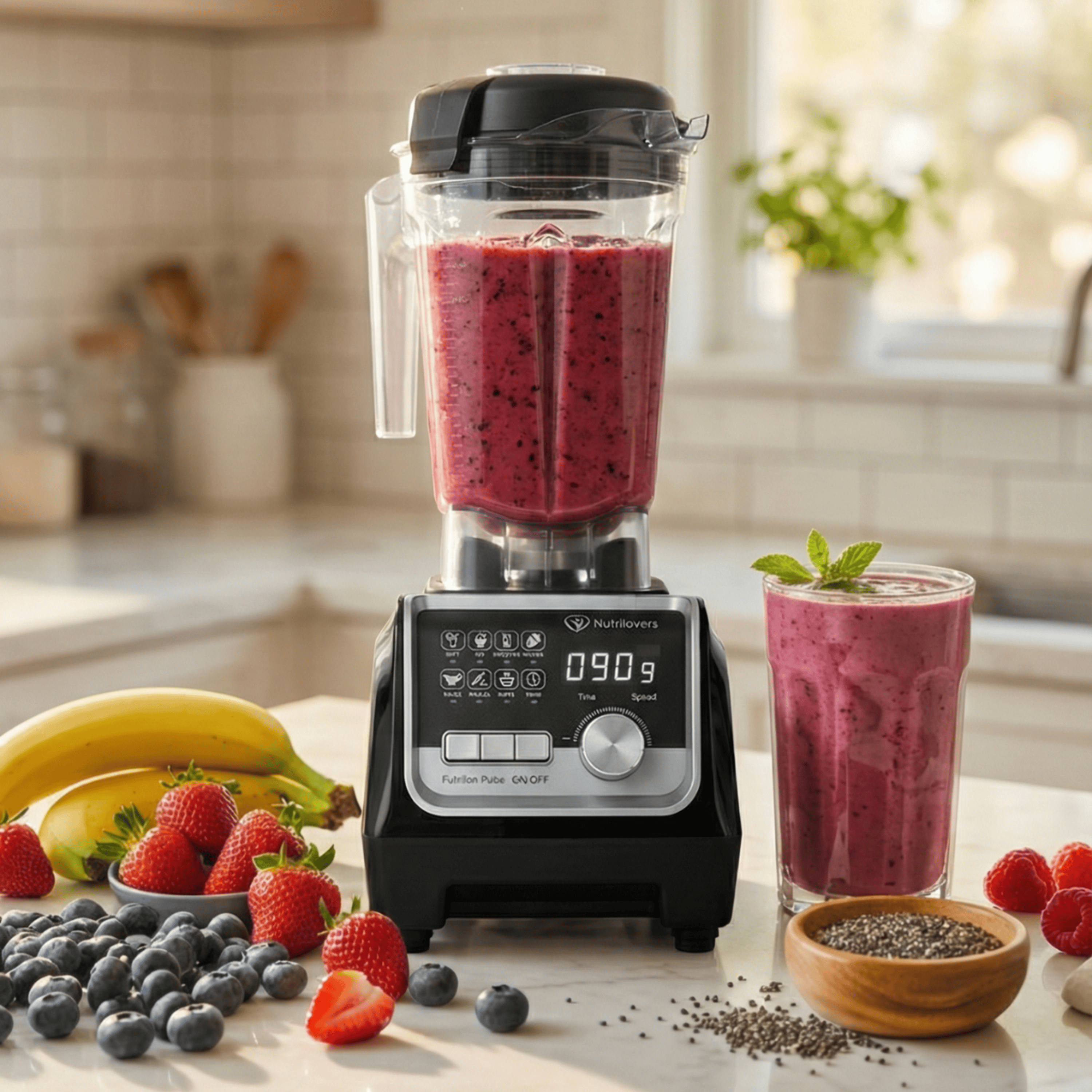
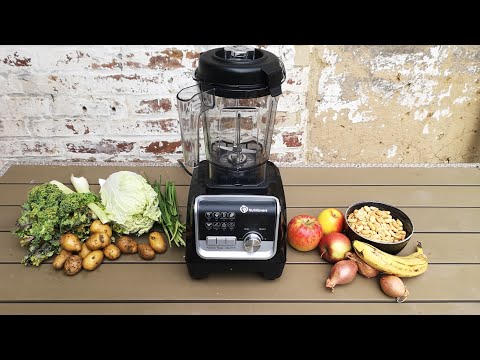
- Blender: Do you have an organic lemon? Then put it in a high-speed blender! If you blend it with the (washed) peel, you'll get even more essential oils and bioflavonoids. Perfect for bitter lemonades or as a fresh kick in green smoothies.
- Air Fryer: Dried lemon slices are not just for decoration! Cut the lemon into thin slices and dry them at a low temperature in the air fryer. They are perfect for tea or as a snack. Alternatively: Place lemon halves (cut side up) with fish in the air fryer – grilled lemon tastes milder and sweeter!
- Bread Maker: Craving "sweets" without guilt? A moist lemon bread or lemon cake from the bread maker is a dream. Simply add freshly grated zest and a little juice directly to the dough.
- Food Processor: The annoying grating is over. If you thinly peel the yellow peel (without the white pith), the food processor can process it into fine zest in seconds. Perfect for dressings, marinades, or desserts.
Shopping & Storage
When buying, make sure to look for "organic" and "peel suitable for consumption" if you want to use the peel. Conventional lemons are often waxed. Storage: Lemons like it cool, but not freezing cold. They last a long time in the refrigerator, but lose some of their aroma. In a bowl in the kitchen, they are decorative and last about 1-2 weeks.
Conclusion
The lemon is a must in every kitchen. It is alkaline-forming, antibacterial, and strengthens your immune system like hardly any other fruit. While it can attack tooth enamel if you're not careful, the benefits clearly outweigh the drawbacks. Whether as juice from the slow juicer or as zest in a cake from the bread maker – use lemons all year round for your health!