






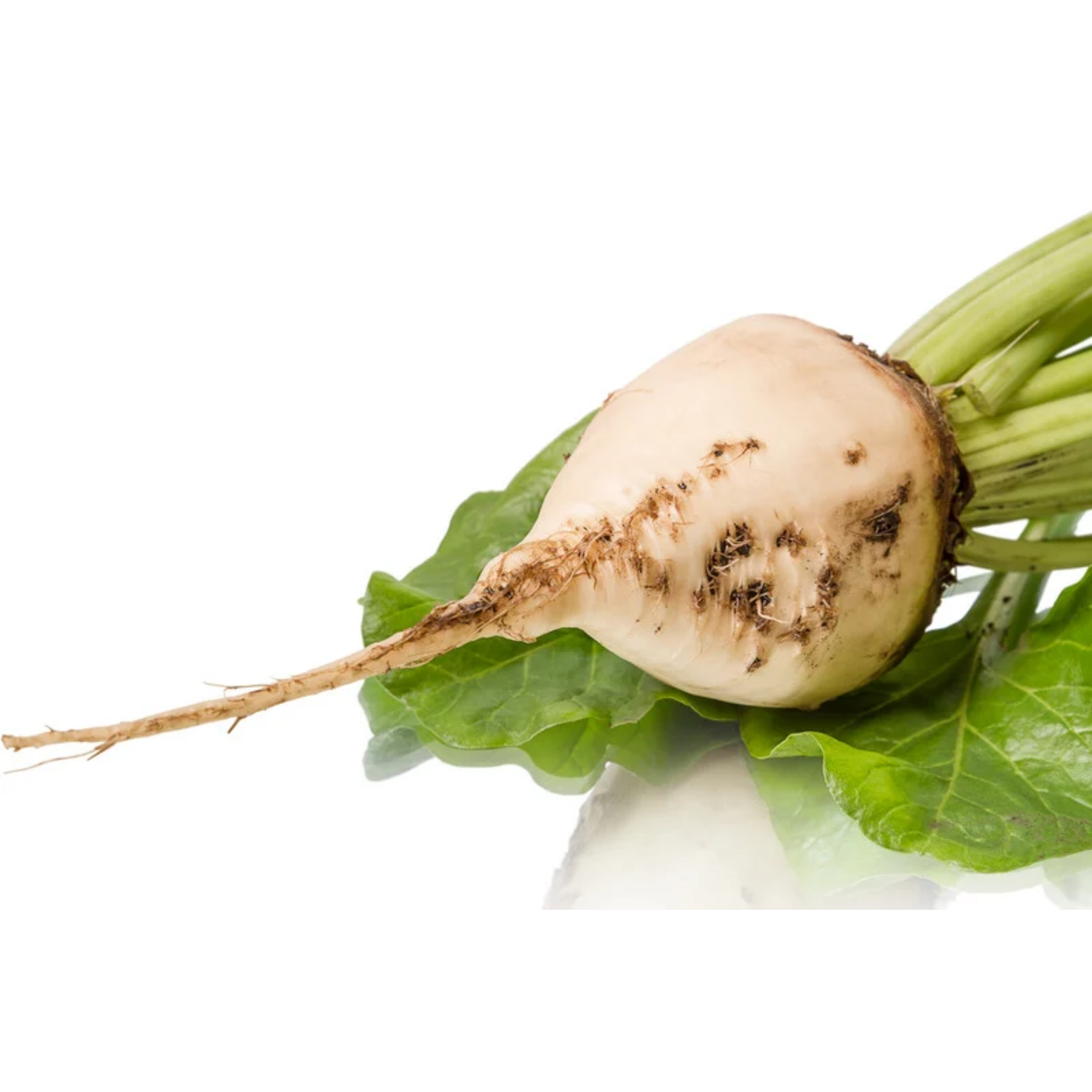
When we think of sugar beets, we usually picture huge truckloads on their way to the sugar factory. But did you know that this unassuming root vegetable also makes a good impression in your kitchen? It is the epitome of regional sweetness and provides energy in record time.
We'll now tell you why the "Queen of Sugar" is an exciting ingredient in winter and how you can tame it with your kitchen appliances.
What you should know about sugar beets
The sugar beet is a true winter child. Its season starts in September and lasts until December. Since it is widely cultivated in Germany, it is absolutely regional and has short transport routes. Above all, it is one thing: a massive energy source for cold days.
Nutrients & Effects

A look at the values immediately shows why it's called what it is: with 20g of carbohydrates (of which 18g are sugar) per 100g, it is the leader among roots.
This makes it special:
- Quick Power: Sugar beets provide quick energy. The sugar quickly enters the bloodstream – ideal if you urgently need energy (e.g., after exercise).
- Light Food: Unlike cabbage or whole grains, it is low in fiber (only 0.8g). This means it barely burdens digestion but provides immediate fuel.
The Downside of Sweetness
Where there's a lot of light, there's also shadow. The chart shows clear drawbacks:
- High sugar content: This is its trademark, but also its vice. At 75 kcal, it has significantly more calories than other vegetables. Those living low-carb should be cautious here.
- Acid-forming: Unlike potatoes or carrots, sugar beet is not alkaline.
Preparation with your kitchen appliances
The hard beet is difficult to cut by hand, but your appliances will enjoy the task:
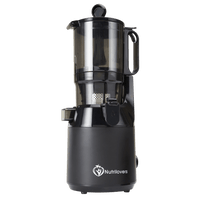
- Slow Juicer / Juicer: A huge plus: the sugar beet is easy to juice. The juice is extremely sweet and earthy. Pro tip: Slowly boil down the fresh juice until it becomes viscous – this way you make your own, regional beet syrup completely without additives!
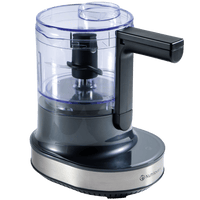
- Multi-chopper: The beet is hard, but the multi-chopper can handle it. Finely grated, you can use it (similar to carrots) in salads or mix it as a sweet component into savory pan dishes ("Rübenmus" - beet mash).
- Bread maker: In some regions, "beet bread" is a cult classic. Add grated sugar beet or a spoonful of homemade beet syrup to the dough in your bread maker. This keeps the bread moist for days and gives it a great, dark crust and malty note.
- Air fryer: Caramelized beet cubes! Cut the beet into small cubes, mix with a little oil and salt (as a contrast to the sweetness), and roast them in the air fryer. The heat caramelizes the natural sugar – a brilliant snack or topping for lamb's lettuce.
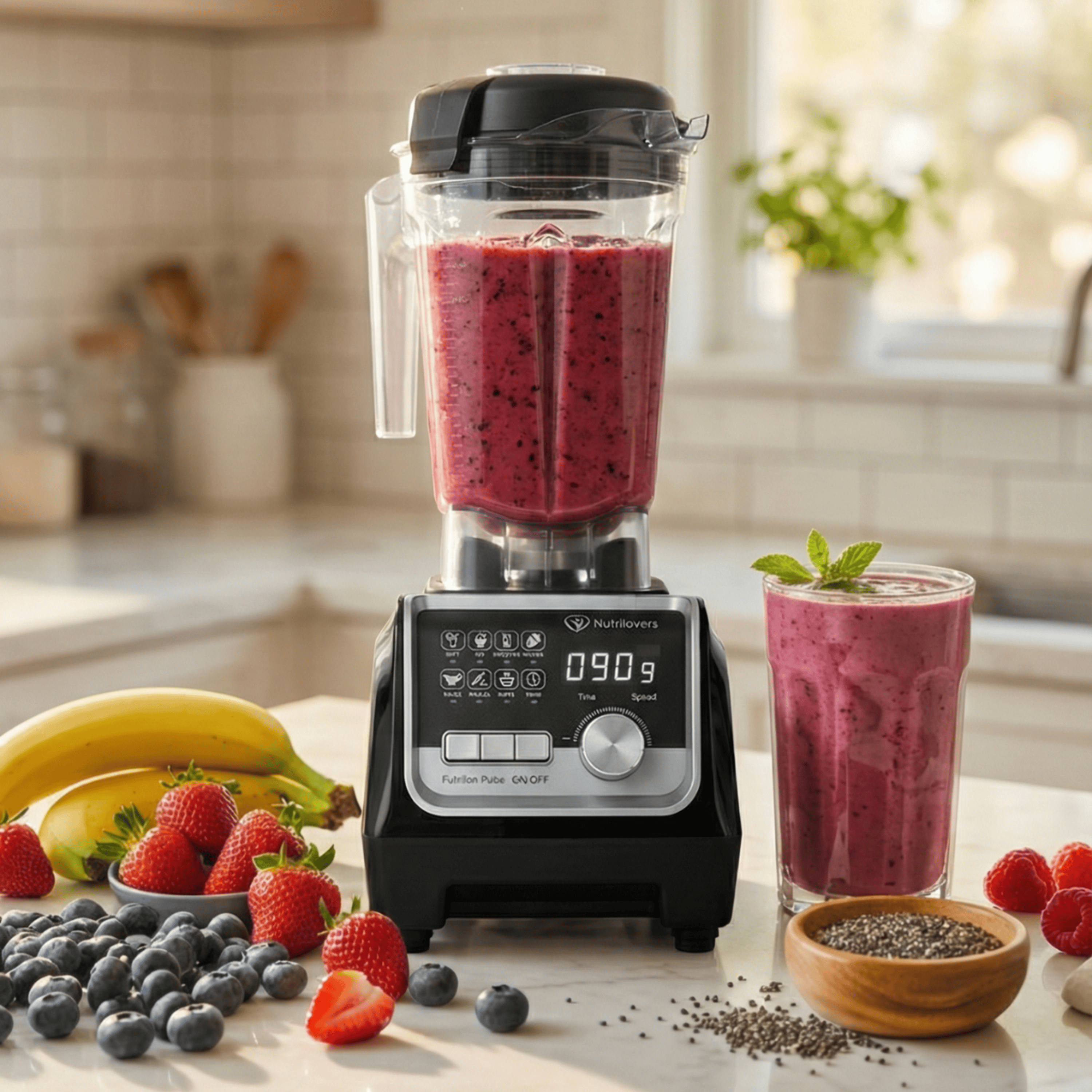
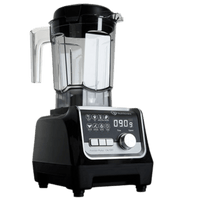
- Blender: For the adventurous: A small piece of sugar beet in a green smoothie replaces banana or dates as a sweetener. Your high-speed blender effortlessly pulverizes the fiber-free beet into a creamy consistency.
Purchasing & Storage
Fresh sugar beets are rarely found in supermarkets, more often in farm shops or directly from farmers ("stubble" after harvest). Storage: Like potatoes, it likes it dark, cool, and dry. Stored this way, it will keep for months into the spring.
Conclusion
Sugar beet is far more than just industrial sugar. It is regional, seasonal, and a natural energy source. While it is not alkaline and has a high sugar content, it is unbeatable, especially for athletes or as a natural sweetener (keyword: easily juiced for syrup). Why not try beet crisps from the air fryer!