






Snacks often have a bad reputation. Snacking is frequently confused with unhealthy nibbling or the uncontrolled consumption of junk food. Yet, healthy snacks can be a practical addition to main meals.
Whether sweet or savory, small or a bit more substantial: healthy in-between meals can be tailored to your daily routine, your preferences, and your personal energy needs. Even a piece of chocolate can occasionally have its place – a conscious diet does not have to mean giving up enjoyment.
In general, it is worth ensuring a varied selection when it comes to snacks for in between. Fruit, vegetables, nuts, whole-grain products, legumes, and dairy products can provide important nutrients depending on the snack. According to the DGE (German Nutrition Society), fruit and vegetables contain vitamins, minerals, and fiber, among other things, and are also suitable as an in-between snack.
How often you eat between main meals depends on your personal hunger, your daily schedule, and your energy requirements. A fixed number of snacks is not necessary for everyone. The DGE does not issue a general recommendation for a specific meal frequency.
What are healthy snacks?
A snack doesn't have to be complicated. An apple, a handful of nuts, plain yogurt with fruit, or vegetable sticks with hummus are simple options for a snack. Homemade snacks can also be practical because you can choose the ingredients yourself and adapt them to your preferences or intolerances.
Among other things, the DGE recommends plenty of fruit and vegetables as well as regular consumption of legumes and nuts.
What are healthy types of snacks?
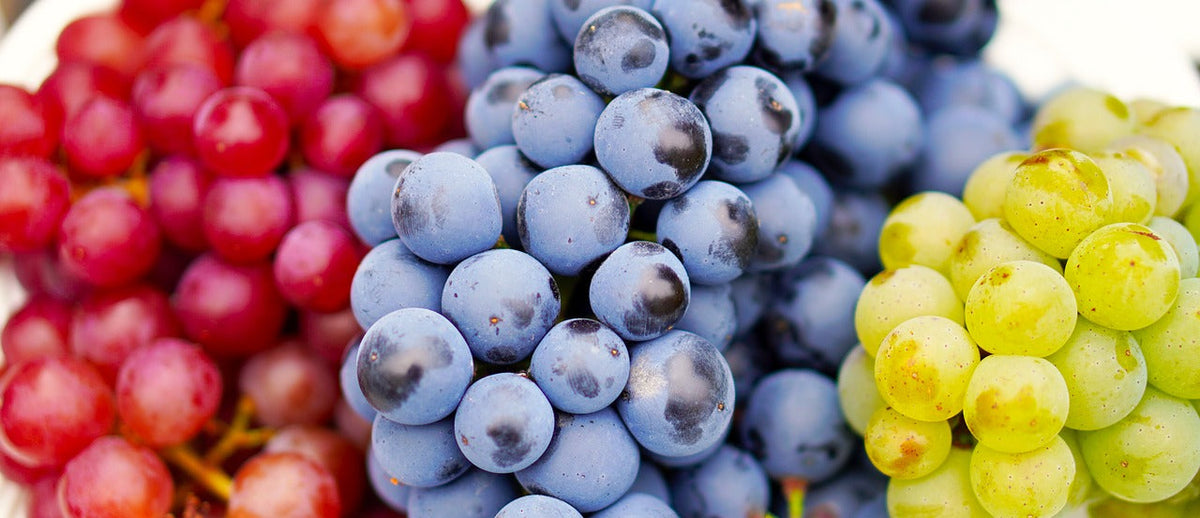
Simple snacks with fruit and vegetables are quick to prepare. An apple, a pear, a kiwi, or a few grapes can easily be packed in a lunchbox and taken to work, school, or university.
If a whole apple doesn't seem like a typical snack to you, you can simply cut fruit and vegetables into bite-sized pieces. This can be prepared the night before, saving you time in the morning.
Ideas for easy-to-make snacks for work, the office, and on the go
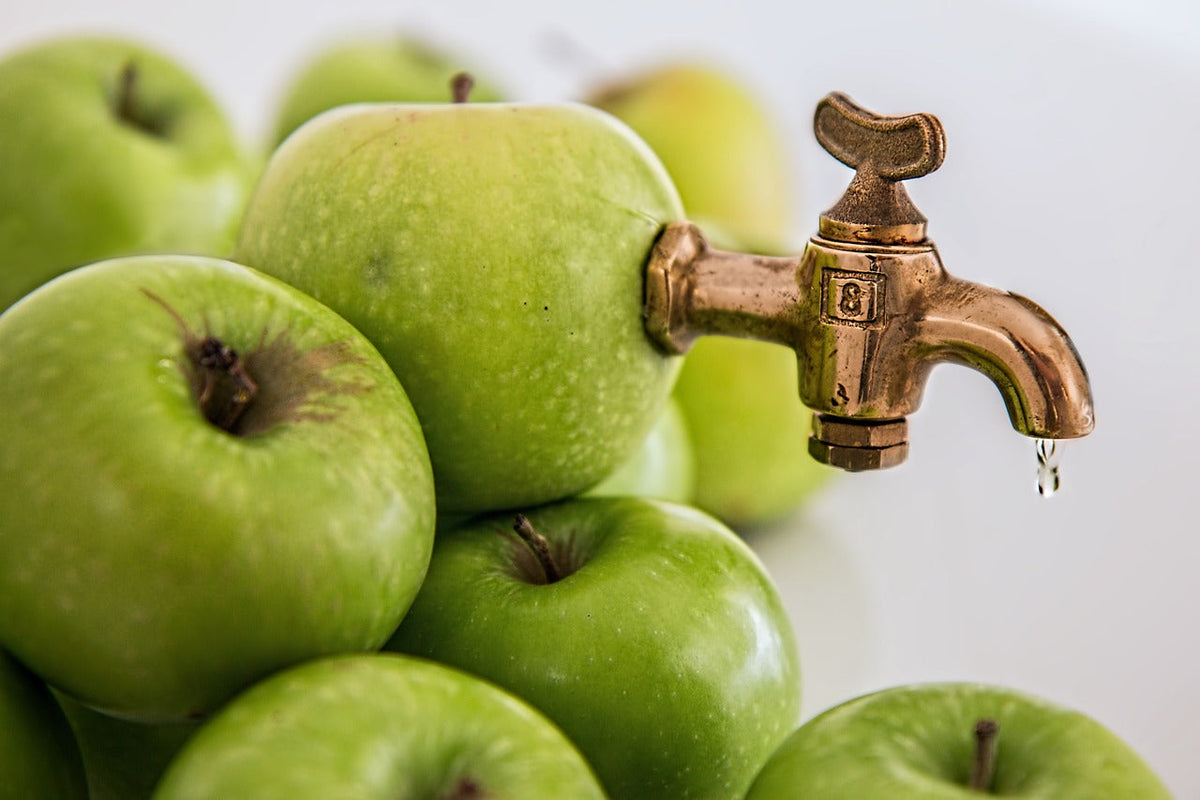
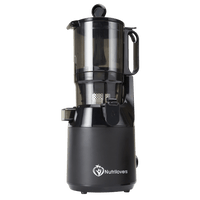
You can prepare your own fruit and vegetable juices with your juicer or slow juicer. You can combine different types of fruit and vegetables to ensure variety.
Important: Juice can be a practical addition, but it does not fundamentally replace the consumption of whole fruit and vegetables. Whole fruits and vegetables contain more fiber and are generally more filling than juice.
By the way, you can also use freshly pressed juice to make your own gummy bears.
With your mixer / blender, you can also prepare various smoothies. In addition to fruit and vegetables, you can supplement them with yogurt, nuts, seeds, or other protein sources, for example.
Depending on the recipe, you can also prepare a filling smoothie or a homemade protein shake for after your workout.
Another way to make healthy snacks yourself is using a dehydrator. You can dry seasonal fruits here and then take them with you conveniently for hikes, picnics, work, or while on the go.
Energy balls, homemade chips, and fruit leather can also be prepared this way. With homemade snacks, you have the advantage of deciding for yourself which ingredients and how much sugar you use.
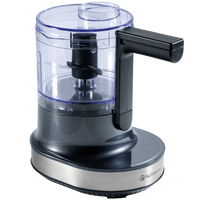
You can also use a universal chopper to make healthy dips and spreads.
Fresh pesto for a quick pasta snack and much more can also be easily made yourself.
When you make your own snacks, you know exactly which ingredients they contain. This makes it easier to adapt them to your personal preferences, intolerances, or dietary habits.

Healthy in-between meals & healthy snacks – all homemade
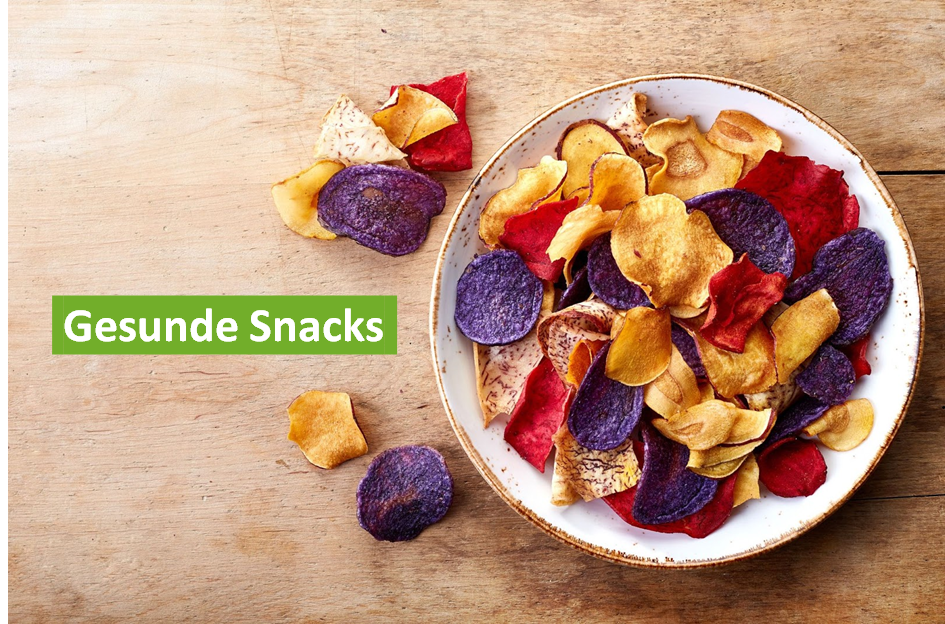
For the evening in front of the TV, for example, you can make healthy chips yourself. A dehydrator or an air fryer is suitable for this.
In them, you can prepare items like kale chips, carrot chips, or potato chips yourself. Depending on the preparation method and recipe, you can determine the amount of oil used yourself.
Healthy snack recipes

A simple classic is trail mix. To make it, toast a colorful mixture of nuts and seeds in a coated pan without adding extra fat. Let them cool down and then mix them with finely chopped dried fruit.
In a dehydrator, you can make fruit leather from various fruit purées. This creates a homemade alternative to classic gummy candies.
Chickpeas, beans, and lentils can also be prepared into crispy snacks in an air fryer. Afterward, you can season them sweet or savory to your liking.
What can you eat in between meals?

All ideas and suggestions are suitable as an in-between meal or snack. Salads, sandwiches with homemade spreads, and wraps are also easy to prepare and take with you.
You can prepare your salad dressings in a blender and store them in the fridge afterward. You can create unique spreads from cooked legumes, soaked nuts, herbs, vegetables, and spices.
Wraps can be filled in a variety of ways with salad, vegetables, and spreads.
Which snacks are recommended in the evening?
You can also have various healthy snacks on your menu in the evening. A bowl of plain yogurt or quark with chopped fruit, for example, is quick to prepare. Vegetable sticks with a dip made from legumes are also a practical option.
You can use a universal chopper to quickly cut fruit and vegetables.
Legumes such as chickpeas, beans, and lentils provide plant-based protein and fiber, among other things, and can therefore be a meaningful addition to a varied diet.
You don't have to fundamentally cut out any specific food group like carbohydrates in the evening. It is more about your overall diet and the quantity that fits your personal needs.
CONCLUSION
Homemade means, above all: You have control over the ingredients. This also applies to healthy snacks and in-between meals.
With a juicer, a blender, a universal chopper, an air fryer, or a dehydrator, you can prepare many different snacks yourself.
Juices, smoothies, dried fruits and fruit leather, vegetable chips, nuts, homemade spreads, and salads with various dressings add variety to your snacking.