







Salt is one of those foods that we can hardly imagine our kitchens without. It enhances dishes, but it is also hidden in many foods where we wouldn't immediately expect to find it.
Salt is not inherently bad. Sodium, a component of table salt, fulfills important functions in the body. The crucial factor is the amount.
Many people consume significantly more salt through their diet than is recommended. A large portion of this does not come from the salt shaker, but from processed foods such as bread, cheese, sausage, ready-made meals, and sauces.
In this article, you will learn why the body needs salt, what amount is recommended, and how you can reduce your salt intake in everyday life. We will also show you a simple recipe for homemade herb salt.
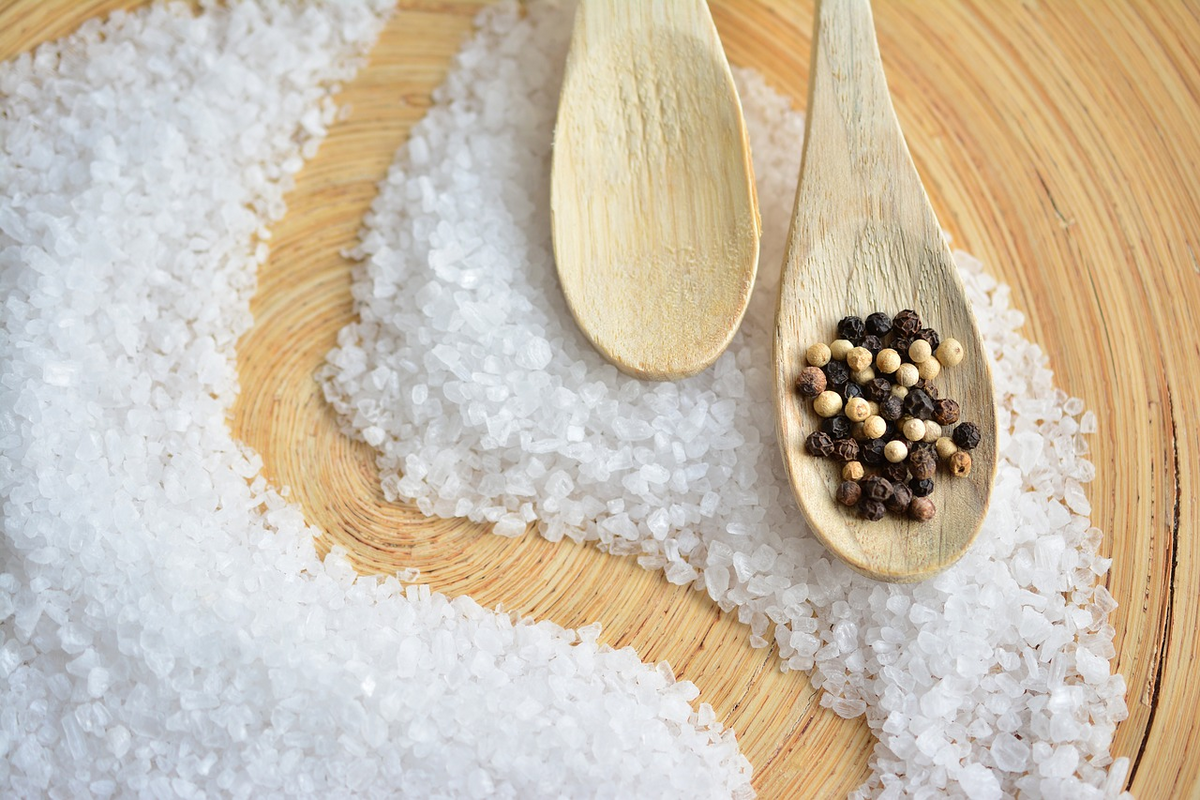
What is table salt anyway?
Specially enriched salt is also available, such as iodized salt. Iodine is an important nutrient for the normal function of the thyroid gland.
Salt has also been used for thousands of years to preserve food and was therefore a particularly valuable commodity for a long time.
Why does the body need salt?
Sodium and chloride perform important tasks in the human body.
Sodium contributes, among other things, to:
- maintaining normal fluid balance
- normal nerve function
- normal muscle function
Chloride also contributes to normal digestion, as it is a component of stomach acid.
The body therefore needs salt or the electrolytes contained within it. However, this does not mean that as much salt as possible is healthy.
As is often the case, it is all about the right amount.
How much salt per day is healthy?
Salt is particularly common in:
- bread and baked goods
- sausage and meat products
- cheese
- ready-made meals
- instant soups
- sauces
- snacks
- canned goods
Therefore, your daily salt intake can add up faster than you think.
Too much salt: Why less is often more
A consistently high salt intake can increase blood pressure in many people. Persistently high blood pressure, in turn, is a significant risk factor for cardiovascular disease.
How strongly people react to salt varies from person to person. Nevertheless, it is worth keeping an eye on your own salt intake – especially if highly processed foods are frequently on the menu.
The kidneys also play an important role in regulating sodium levels.
The most important takeaway: Salt is essential for life – but a very high intake is not automatically better.
What does salt have to do with the immune system?
The topic of salt and the immune system is increasingly being studied in research. There is evidence that a very high salt intake can influence various immune system processes.
However, one should not give the impression that salt directly "shuts down" the immune system or that a specific amount of salt immediately makes you ill.
The connection to overall lifestyle and diet is much more important.
5 simple tips to eat less salt
Do you want to reduce your salt consumption without your food tasting bland? It is easier than you might think.
1. Eat fewer processed products
Ready-made products, sausage, cheese, sauces, and snacks can contain a comparatively large amount of salt. If you cook fresh more often, you have more control over the amount of salt used.
2. Taste first, then add salt
Many dishes need less salt than you might initially think. Therefore, taste your food first and then season it as needed.
3. Use herbs and spices
Fresh and dried herbs can provide a lot of flavor – for example:
- parsley
- chives
- basil
- thyme
- rosemary
- marjoram
- oregano
Garlic, onions, ginger, lemon juice, or pepper can also make dishes more interesting in terms of flavor.
4. Compare labels
It is worth taking a look at the nutritional information when shopping. This way, you can compare similar products and, if necessary, choose the version with less salt.
5. Make your own herb salt
Another option is homemade herb salt. However, you should note: herb salt still contains salt.
It is therefore not a way to replace salt entirely. However, aromatic herbs can create an intense flavor, so you might need less additional salt.
Making your own herb salt: Simple recipe
Homemade herb salt is quickly made and can be individually adapted to your taste.
You can combine different herbs to create your own mixture for vegetables, salads, potatoes, soups, or other dishes.
Herb salt with rosemary, thyme, and marjoram
Ingredients
-
500 g coarse sea salt
-
½ bunch of parsley
-
½ bunch of thyme
-
½ bunch of marjoram
-
1 sprig of rosemary
Preparation
-
Prepare the herbs: Wash the herbs and remove the thick stems.
-
Dry very well: The herbs must be completely dry before processing.
-
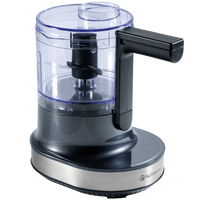
Chop: Put salt and herbs in a suitable food processor and process everything until the desired consistency is reached.
-
Fill: Put the finished herb salt into a clean, completely dry, and resealable glass jar.
-
Store in a dry place: Keep the mixture tightly closed and dry.
Tip: The drier the herbs used, the better the mixture is for long-term storage.
Which herbs are suitable for homemade herb salt?
There are almost no limits to your creativity when putting together your own mixture.
Particularly suitable options include:
Mediterranean: Rosemary, thyme, oregano, and basil
Fresh: Parsley, chives, and chervil
Spicy: Marjoram, pepper, garlic, and paprika
Fruity-fresh: Herbs combined with dried lemon peel
This way, you can try out different mixtures and find out which combination you like best.
Herbs instead of more salt: How to give your food more flavor
If you want to use less salt, you don't have to sacrifice intense flavor.
Herbs and spices can help make dishes more varied. It is particularly practical to prepare your own mixtures and have them ready to hand in the kitchen.
This allows you to try out step-by-step while cooking how much salt you actually need.
Conclusion: Use salt consciously
Salt is an important part of our diet and fulfills important functions in the body. A consistently too high salt intake can be problematic above all else.
Instead of only focusing on the salt shaker, it is worth looking at your entire diet. Highly processed foods can account for a significant portion of daily salt intake.
Those who cook fresh more often, consciously choose ingredients, and work with herbs and spices can more easily keep an eye on their salt intake.
And homemade herb salt adds variety to the kitchen – without complicated ingredients or time-consuming preparation.