






The Nutri-Score is intended to help you assess the nutritional quality of processed foods at a glance. But how is the rating calculated? What do the colors and letters from A to E mean? And what are the limitations of the system?
In this guide, you will learn simply and clearly what the Nutri-Score is, how it works, and what its advantages and disadvantages are.
What is the Nutri-Score?
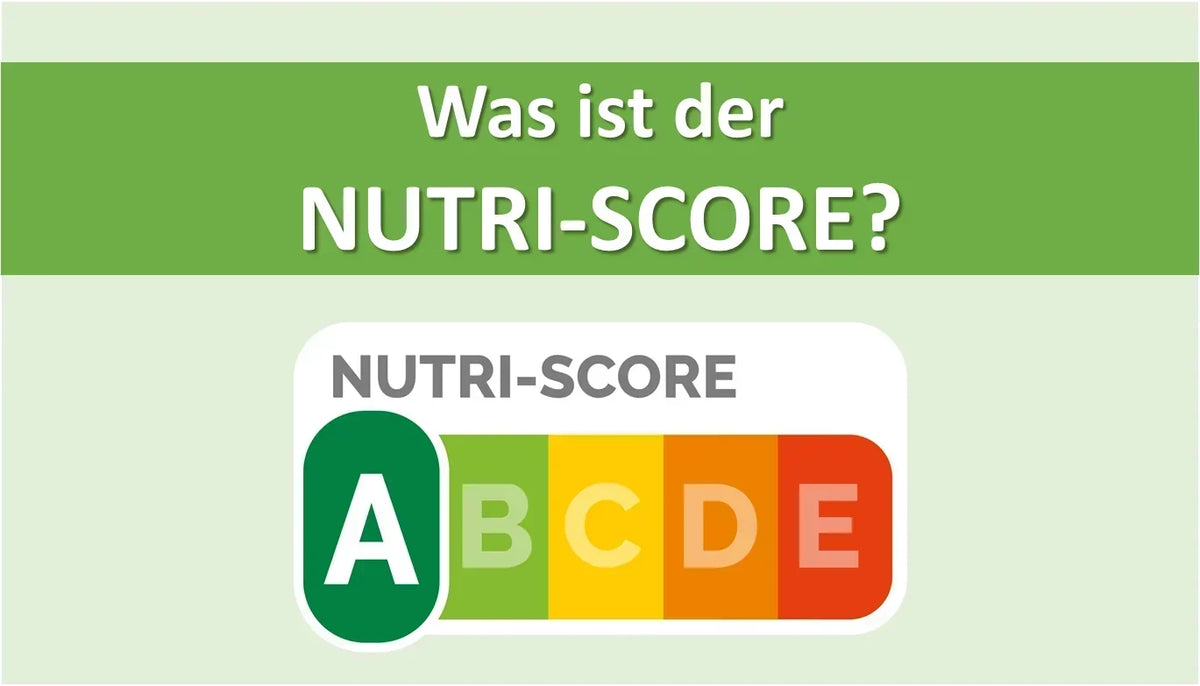
The Nutri-Score is a voluntary nutritional label on the front of food packaging. The system evaluates the nutritional composition of a food product and displays it on a scale from A to E.
The five levels are color-coded:
How is the Nutri-Score calculated?
The calculation is based on the composition of a food product. Certain unfavorable and favorable components are taken into account.
Factors taken into account include:
Unfavorable factors:
-
Energy content
-
Sugar
-
Saturated fatty acids
-
Salt
Favorable factors:
-
Fiber
-
Protein
-
Proportion of certain plant-based foods such as fruits, vegetables, and legumes
What are the advantages of the Nutri-Score?
Simple orientation
The color coding is easy to understand at a glance. You do not have to compare different nutrition tables with each other.
Products are easier to compare
The Nutri-Score is particularly helpful when you want to compare similar products – for example, different breakfast cereals or ready-made meals.
Incentive for manufacturers
The system can motivate manufacturers to improve the composition of their products.
What are the disadvantages of the Nutri-Score?
The Nutri-Score primarily looks at the nutritional composition. Other aspects of a food product are therefore not fully represented.
That is why you should always view the Nutri-Score as a guide and not as the sole basis for your decision.
Nutri-Score: What is really in my food?
This is exactly where it gets interesting for your NUTRILOVERS blog strategy.
Instead of portraying the Nutri-Score as generally bad, I would change the core message of your old section:
Know what is inside: Preparing it yourself gives you more control
When you prepare your own meals and drinks, you decide for yourself which ingredients go into your preparation.
This also applies to juices and smoothies.
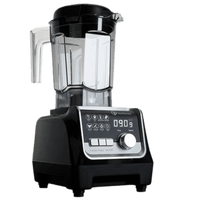
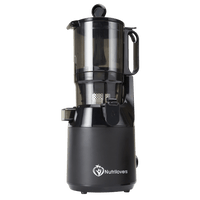
With a slow juicer, you can juice fresh fruit and vegetables. With a high-performance blender, you can process whole ingredients into smoothies, smoothie bowls, or other preparations.
In doing so, you have control over the ingredients used – instead of having to rely on the ingredient list of a ready-made product.
Important: I would not use the old statement “full of vitamins” or “free from additives, full of vitamins” as a blanket term. That sounds like a health promise and is unnecessarily vulnerable to criticism.
Nutri-Score vs. homemade food
The Nutri-Score is primarily intended as a quick guide for packaged foods.
With homemade meals and drinks, you have a different advantage: you know the ingredients and can decide for yourself what you use.
For example, for a homemade juice, you can combine:
-
Apple
-
Carrot
-
Orange
-
Celery
-
Ginger
Or for a smoothie:
-
Berries
-
Banana
-
Spinach
-
Yogurt or a plant-based alternative
-
Water or other ingredients of your choice
This way, you determine the composition of your meal or drink yourself.
Conclusion: How useful is the Nutri-Score?
The Nutri-Score can help you quickly compare similar packaged foods. However, it does not replace the ingredient list or a balanced diet.
If you want to know what is in your food or drink, preparing it yourself is an easy way to select the ingredients yourself.
With a juicer or high-performance blender from NUTRILOVERS, you can process fresh ingredients according to your own preferences.