






Do you have a sweet tooth but want to use less standard table sugar? Then there are numerous alternatives you can use to sweeten meals, drinks, smoothies, or baking recipes.
Whether it's stevia, xylitol, maple syrup, yacon, coconut blossom sugar, palm sugar, or honey – these various sweeteners differ significantly in terms of taste, sweetening power, calorie content, and application.
The important thing to remember is this: not every sugar alternative is automatically healthier. Even natural sweeteners can contain sugar or usable carbohydrates and calories. Therefore, the deciding factor is primarily which sweetener suits your recipe and how much of it you use.
1. Stevia
Sweetening with steviol glycosides
Stevia is particularly suitable for drinks, smoothies, desserts, and other foods where you want to achieve sweetness with a very small amount.
What you should look out for with Stevia
Commercial stevia products can differ in their composition and dosage. That is why it is worth taking a look at the ingredient list and the recommended dosage.
Additionally, depending on the product and the amount, stevia can develop a slightly distinct taste. Therefore, gradually work your way up to the desired amount when sweetening.
2. Xylitol
Sweetening with xylitol
One advantage: Xylitol contains fewer calories than table sugar.
However, in larger quantities, sugar alcohols like xylitol can cause digestive issues in sensitive individuals. You should therefore gradually test your personal tolerance when using it.
Important for dog owners
Xylitol is highly toxic to dogs. Even small amounts can be dangerous for them.
If you use xylitol at home, you must therefore ensure that your dog does not have access to it.
3. Maple syrup
More than just a pancake topping
Maple syrup is excellent for sweetening:
-
Muesli
-
Porridge
-
Desserts
-
Cakes and pastries
-
Smoothies
-
Drinks
Unlike sugar, maple syrup contains some minerals and other natural components. Nevertheless, it is primarily a sugar-containing sweetener and should be used sparingly accordingly.
When you buy maple syrup, it is worth checking the ingredient list. Pure maple syrup should not contain any additional sugar syrups.
4. Yacon syrup
The sweet alternative from the yacon root
Therefore, the following applies here as well: It is better to start with a small amount and observe your personal tolerance.
Yacon syrup is also not a calorie-free sweetener and should therefore not be considered a completely calorie-free alternative to sugar.
5. Coconut blossom sugar
Exotic alternative with a caramel flavor
Coconut blossom sugar is obtained from the sap of the coconut palm flower stalks. In terms of taste, it is reminiscent of caramel and has a strong, slightly malty aroma.
This makes it particularly suitable for:
-
Cakes
-
Cookies
-
Desserts
-
Muesli
-
Coffee and other drinks
Coconut blossom sugar looks similar to brown sugar and can be used in many recipes in a similar way.
Important: Coconut blossom sugar is not automatically low in calories or sugar-free. If your primary goal is to reduce calories or sugar, you should also dose this alternative consciously.
6. Palm sugar
Sweetener from palms

Palm sugar is extracted from the sap of certain palm trees and is particularly common in Asian cuisine.
Depending on the variety, palm sugar is offered as a block, granules, or syrup. In terms of taste, it often resembles caramel and has a more intense aroma than white table sugar.
Palm sugar can be used for cooking and baking. However, the rule applies here too: natural does not automatically mean low in calories or healthier.
If you use palm sugar, the focus should therefore also be on the quantity.
7. Honey
Sweeten naturally with honey

Honey is made by bees from flower nectar or honeydew. Depending on the origin and variety, there are great differences in taste, color, and consistency.
Well-known varieties include, for example:
-
Flower honey
-
Forest honey
-
Acacia honey
-
Manuka honey
Honey is suitable for sweetening tea, muesli, desserts, baked goods, and various drinks.
However, honey is also a high-sugar food. Therefore, it should not be equated with a sugar-free or calorie-free sweetener.
Important: Honey is not suitable for children under one year of age.
Which sugar alternative suits you?
Which alternative is most suitable depends on what you want to achieve.
|
Sugar alternative |
Taste |
Particularly suitable for |
|
Stevia |
very sweet, sometimes slightly tart |
Drinks, smoothies, desserts |
|
Xylitol |
similar to sugar |
Baking, desserts, drinks |
|
Maple syrup |
caramel, aromatic |
Muesli, porridge, baking |
|
Yacon syrup |
sweet, caramel |
Muesli, desserts, drinks |
|
Coconut blossom sugar |
caramel, malty |
Baking, desserts |
|
Palm sugar |
caramel, malty |
Cooking, baking |
|
Honey |
varies by variety |
Drinks, muesli, baking |
Sugar alternatives for smoothies and juices
Especially with smoothies, you often don't need to add any sweetener at all.
Fruit like bananas, mangoes, dates, or ripe pears already provide a natural sweetness. Dried fruits can also make smoothies sweeter.
With freshly squeezed juices, you can also work with the selection of ingredients. Sweet fruit varieties can, for example, be combined with vegetables or acidic ingredients.
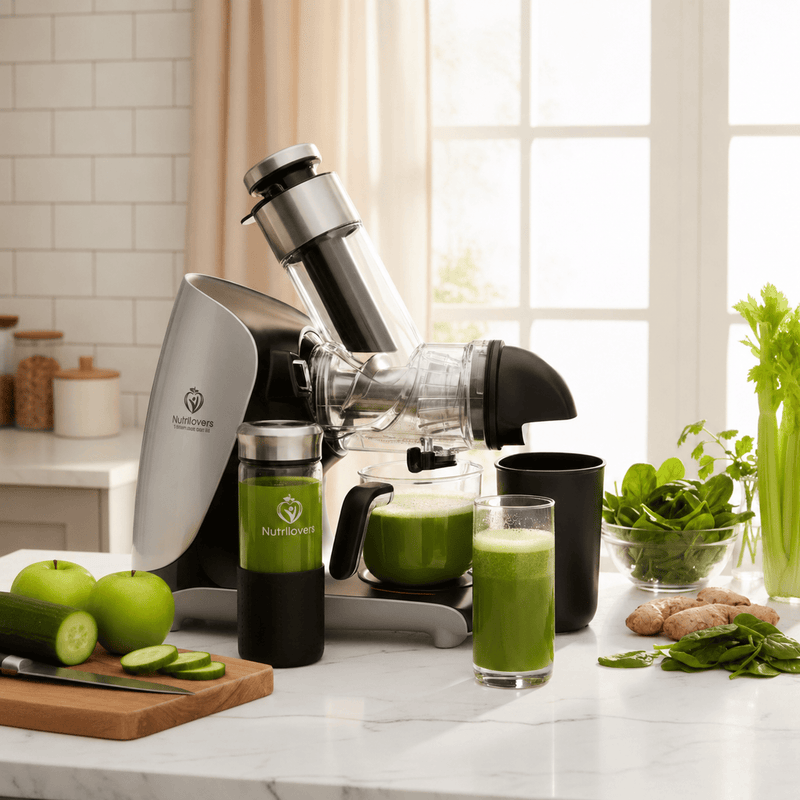
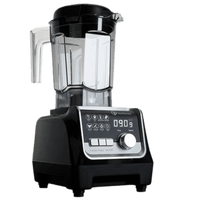
INSERT SHOPIFY PRODUCT BOX HERE:
Matches the topic: NUTRI-BLENDER / Preparing smoothies.
Dried fruits as a natural sweetener
Dates, raisins, dried figs, or dried mangoes can sweeten smoothies and other recipes.
Dates, for example, are excellent for creamy smoothies and desserts. However, you should bear in mind that dried fruits also contain natural sugar and are significantly more concentrated due to the drying process than fresh fruit.
Must white sugar be replaced?
No. The term "sugar alternative" does not automatically mean "healthier."
White table sugar is primarily problematic when a large amount of it is consumed in total. Honey, maple syrup, coconut blossom sugar, and palm sugar also contain sugar and should therefore be used consciously.
If you want to reduce your sugar consumption, it may be more sensible to slowly change your personal taste threshold and prepare foods with less sweetness.
For example, you can:
-
use less sugar in coffee or tea
-
combine plain yogurt with fresh fruit
-
prepare smoothies with sweet fruits instead of adding sugar
-
gradually reduce the amount of sugar when baking
-
use various spices like cinnamon or vanilla for more flavor
Conclusion: There is no such thing as the best sugar alternative
Stevia, xylitol, maple syrup, yacon, coconut blossom sugar, palm sugar, and honey offer different possibilities for sweetening food and drinks.
However, not every natural sugar alternative is automatically healthier than table sugar. Some variants contain similar amounts of calories and sugar, while others can be used in small quantities due to their sweetening power.
If you want to eat less sugar, it is not just the choice of sweetener that matters. The total quantity used also plays an important role.
For smoothies and juices, you can often manage completely without an additional sweetener. Ripe fruit, dates, or other natural ingredients already provide a pleasant sweetness.
The best thing to do is to try out different varieties and find out which taste and which sweetener suit your recipes.