








Everyone has a bad day now and then. That is completely normal. Nutrition can be part of our overall well-being. Certain foods provide nutrients such as tryptophan, omega-3 fatty acids, vitamins, and minerals, which are important for normal body functions.
But can certain foods actually make you happy? And what role do serotonin, dopamine, and endorphins play in this?
In this article, you will learn which foods for a good mood are frequently associated with mood and well-being, and why a varied diet forms an important foundation for this.
Serotonin – the messenger substance for mood and well-being
Tryptophan is found primarily in protein-rich foods. These include, for example, dairy products, eggs, fish, meat, legumes, nuts, and grain products.
However, a high tryptophan content in a food does not automatically mean that this food directly improves your mood. How tryptophan is used in the body depends on, among other things, other amino acids and various metabolic processes. Research into the direct effect of nutrition on mood is correspondingly complex.
Positive feelings through dopamine – why food can also make you happy
Perhaps you associate the scent of a certain dish with your childhood or a chocolate cake with a special occasion. Such personal experiences can contribute to certain foods being associated with positive feelings.
So it is not only a question of what you eat, but also how consciously you enjoy your food.
Eat yourself happy – foods for your mood
Commonly mentioned are:
-
Whole grain products
-
Bananas
-
Nuts and seeds
-
Legumes
-
Avocados
-
Fish
-
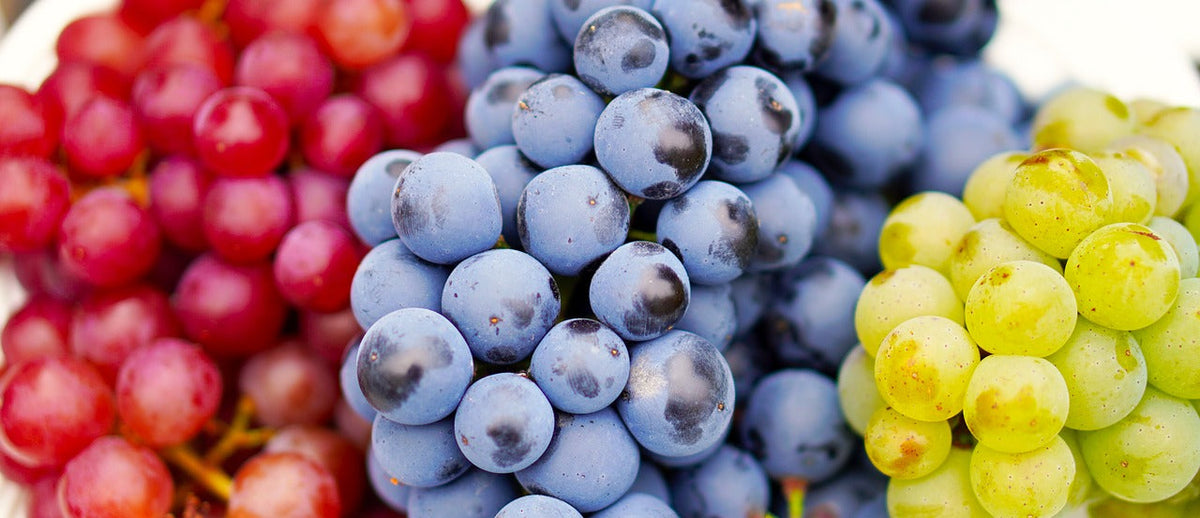
Fruit and vegetables
-
Dairy products
-
Eggs
These foods provide different nutrients and can be part of a balanced diet. The German Nutrition Society (DGE) recommends, among other things, eating plenty of fruit and vegetables as well as regular portions of legumes and nuts, and taking advantage of the variety of foods within the individual groups.
Smoothies and juices
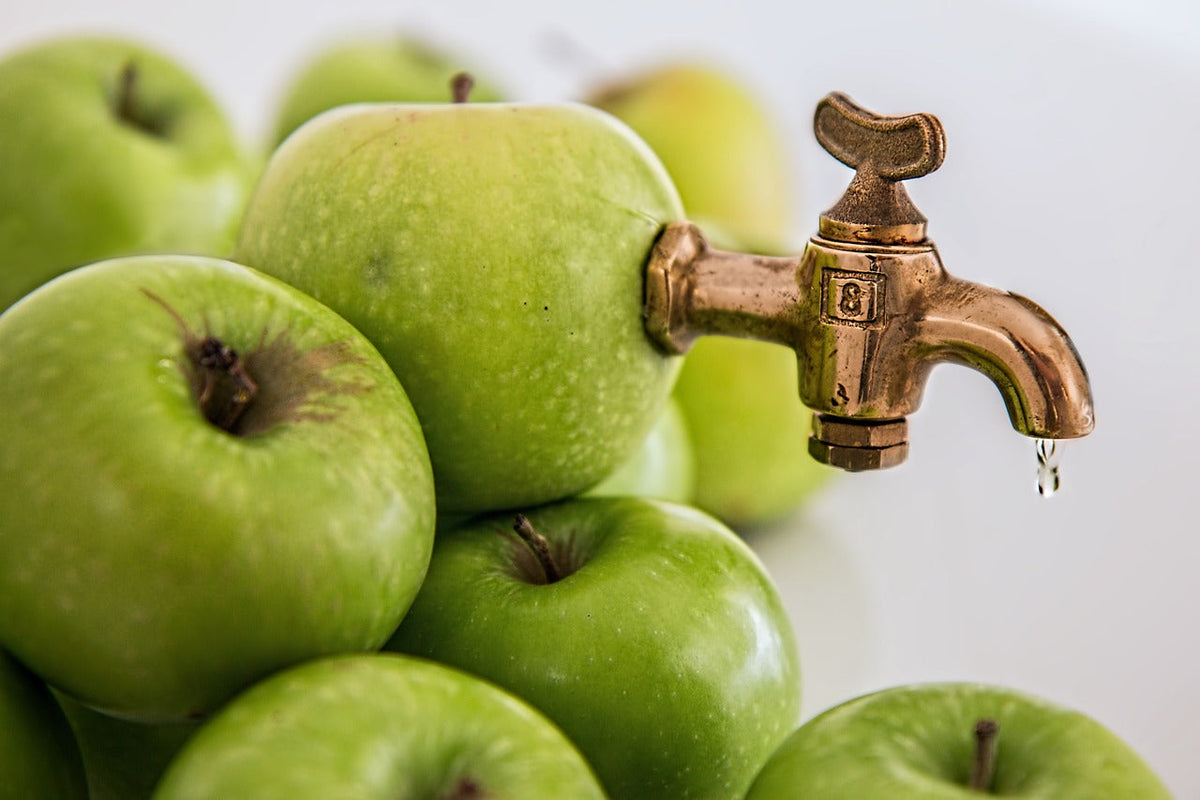
A practical way to combine different types of fruit and vegetables is through smoothies and homemade juices.
Smoothie idea:
Banana, avocado, rolled oats, nuts, and some fruit
Juice idea:
Pineapple and plums, for example, can be combined into a fruity juice.
However, a juice should not be understood as a substitute for an overall balanced diet. Fruit and vegetables provide many important nutrients and can be integrated into your meal plan in various ways.
Coffee and black tea
Coffee and black tea are also often associated with a temporary increase in alertness. This is primarily due to the caffeine they contain.
The strength of caffeine's effect varies from person to person. Those who are sensitive to it should pay attention to their personal tolerance, especially later in the day.
Spices for more enjoyment
Spices can also help to make meals more varied and interesting in terms of flavor.
Chili peppers, for example, contain capsaicin, which is responsible for the typical heat. Ginger, pepper, cardamom, and vanilla can also provide interesting taste experiences.
However, it cannot be generalized that a specific spice will actually improve your mood.
Vitamin D and well-being
Vitamin D fulfills important functions in the body. An adequate supply is therefore fundamentally important.
However, whether a vitamin D deficiency is directly responsible for a low mood cannot be assessed solely on the basis of individual foods. If a deficiency is suspected, it may be advisable to consult a doctor.
Omega-3 fatty acids
Well-known sources include, in particular, fatty fish. Plant-based foods like nuts and certain seeds also provide omega-3 fatty acids.
Fish can therefore be a regular part of a varied diet. The DGE recommends fish in moderate amounts as part of a balanced selection of foods.
Important note, however: Foods or individual nutrients should not be presented as a treatment for depression or other mental illnesses. For tryptophan, for example, there is insufficient evidence to recommend it as a treatment for depression.
Conclusion
There is no such thing as a "good mood food" in the sense of a single food that reliably triggers feelings of happiness. Nevertheless, a varied and balanced diet can make an important contribution to the overall supply of nutrients and thus to well-being.
Fruit and vegetables, whole grain products, legumes, nuts, seeds, fish, and other nutrient-dense foods offer many possibilities for varied meals.
And, of course, enjoyment should not be neglected: food should not only provide nutrients, but can also be a source of pleasure.
In the event of persistent feelings of sadness or depressive symptoms, nutrition should not be viewed as the sole solution. In such cases, it is sensible to seek professional support.