






Fruit and vegetables are simply an essential part of a varied diet. To ensure that food stays fresh for as long as possible and you have to throw away as little as possible, it comes down not only to how you shop, but also how you store it.
This is because not every type of fruit and vegetable is happy in the refrigerator. While some varieties should be stored in a cool place, others are sensitive to low temperatures.
You can also consider a few things when shopping: seasonal products, short transport distances, and being mindful with slightly damaged food can all help to reduce food waste.
In this post, we will show you how to buy fruit and vegetables properly, which types should be stored in what way, and what you should look out for regarding shelf life.
Buying fruit and vegetables – what should you look out for?
Organic products can also be a good choice. Whether you choose organic or conventional products is, of course, entirely up to you.
Shopping checklist
-
choose seasonal fruit and vegetables whenever possible
-
look for freshness and quality
-
prefer regional products if they are available
-
avoid unnecessary packaging
-
also use fruit and vegetables that are not visually perfect
-
only buy as much as you actually consume
Buying fruit and vegetables cheaply and saving food
Shortly before closing time or during special offers, some types of fruit and vegetables are offered at lower prices. Visually imperfect vegetables can also be interesting in this regard.
A slightly bruised carrot or an apple with a small dent does not automatically have to end up in the trash.
Especially if you want to use fruit and vegetables for juicing anyway, the appearance plays a significantly smaller role.
Important: Sort out spoiled food
However, you should take a close look at damaged fruit and vegetables.
A small bruise is something different from mold or rot. You should no longer use visibly spoiled food.
For firm food with a small damaged spot, it may be possible to generously remove the affected area, depending on the item. With mold, however, caution is advised, as mold is not always limited to the visibly affected area.
Rule of thumb: Better to sort out once too often than to process spoiled food.
Storing fruit and vegetables properly
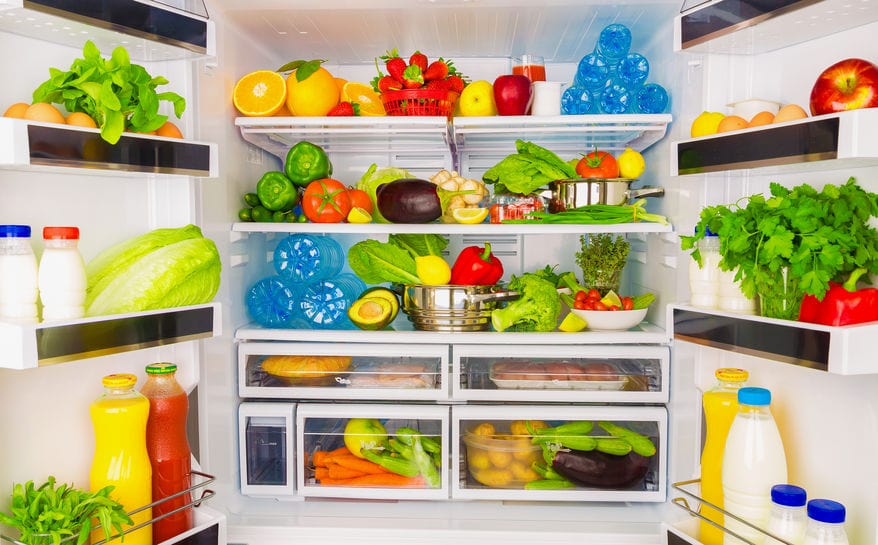
There is no single storage method that works for all varieties. Some foods like it cool, while others are sensitive to low temperatures.
That is why it is worth looking at individual food groups separately.
Lettuce and green vegetables
Lettuce and many types of leafy greens are usually happy in the refrigerator. The vegetable drawer or – if available – a compartment with higher humidity is particularly practical for this.
Be careful not to crush lettuce and sensitive vegetables unnecessarily. Bruises can cause the leaves to wilt or become damaged faster.
It is best to store sensitive leaves loosely and protected, and consume them as soon as possible.
Carrots, radishes, cabbage, and kohlrabi
Carrots, radishes, cabbage, parsnips, and kohlrabi can generally be stored in the refrigerator or the vegetable drawer.
For vegetables with green tops, it is advisable to remove them before storage. The leaves can draw water from the vegetables, which can cause carrots or radishes, for example, to become soft faster.
However, you do not have to throw away the greens: young carrot, radish, or kohlrabi leaves can be used for pesto, salads, or green creations, depending on the variety.
Exotic fruits
Not all exotic fruits like the refrigerator.
Bananas, mangoes, papayas, and pineapples can ripen at room temperature. You should therefore not automatically put whole fruits directly into the refrigerator.
Already cut fruit, on the other hand, belongs in the refrigerator and should be consumed as soon as possible.
If you cannot use up larger quantities of fruit in time, freezing can be a practical alternative.
Onions, potatoes, and root vegetables
It is especially important to avoid moisture so that the food does not spoil faster.
Cucumbers, zucchini, eggplants, and bell peppers
Cucumbers, zucchini, and eggplants are more sensitive to very low temperatures than many classic refrigerator vegetables.
Bell peppers can generally be stored in the refrigerator, but should not stay there unnecessarily long.
If you notice that a food item in the refrigerator is becoming soft, spotted, or affected in taste quickly, a cool place outside the refrigerator may be the better choice.
Storing berries properly
Berries are sensitive and should be eaten or processed as soon as possible.
After buying them, check them for damaged or moldy fruit and remove spoiled berries immediately.
An important tip: It is best to wash berries just before consumption. Too much moisture can shorten their shelf life.
If you have bought larger quantities, you can also freeze berries and use them later for smoothies, desserts, or juices.
Storing tomatoes, apples, and pears properly
Not every fruit and vegetable belongs in the refrigerator.
Tomatoes often develop their aroma better at room temperature. Apples and pears can also be stored outside the refrigerator at first, depending on how ripe they are.
If you want to keep fruit for longer, the refrigerator can make sense for some varieties. The decisive factors are the variety, ripeness, and desired shelf life.
Storing fresh herbs properly
Fresh herbs give dishes and homemade juices extra flavor.
You can, for example, keep sensitive herbs in a glass with a little water. Depending on the type of herb, storage in the refrigerator can also make sense.
For herbs with roots, it can be helpful to keep the roots moist and protect the herbs from drying out.
Make sure that the herbs are not sitting in water constantly, as excess moisture can impair their shelf life.
Ethylene – why some foods should be stored separately
Ethylene is a naturally occurring plant hormone in the form of a gas. Some fruits release a particularly large amount of ethylene. This can accelerate the ripening process of other sensitive foods in the vicinity.
Apples, bananas, pears, avocados, mangoes, and a few other fruits are particularly relevant here.
If certain foods ripen or spoil faster than others, separate storage can make sense.
Note: Ripeness and ethylene production can influence how long fruit and vegetables can be stored next to each other.
Storage checklist
-
regularly check sensitive fruit and vegetables
-
sort out spoiled food
-
consume berries as soon as possible
-
store potatoes and onions in a dark, dry, and cool place
-
keep sensitive leafy greens in the refrigerator
-
remove green tops from carrots and radishes before storage
-
store ethylene-sensitive foods separately if necessary
-
protect herbs from drying out
-
do not automatically put every fruit and vegetable in the refrigerator
Does fruit and vegetable lose vitamins during storage?
That is why there is no blanket statement like “after a week, 60% of the vitamins are lost.”
Basically: the fresher fruit and vegetables are processed, the better. If you cannot use up food in time, freezing can be a good way to significantly extend shelf life, depending on the product.
Changes can also occur during freezing – a blanket statement that nutrients are completely preserved in the process would therefore not be correct.
Conclusion: Store properly, throw away less
Storing fruit and vegetables properly is easier when you know the different needs of the food.
While lettuce, many vegetable types, and berries are well taken care of in the refrigerator, potatoes, onions, or certain cold-sensitive fruits are more sensitive to low temperatures.
You can also ensure when shopping that you only buy the amounts you actually consume. Small bruises do not automatically mean that a food item is unusable – however, you should consistently sort out spoiled or moldy food.
And if fruit and vegetables no longer look perfect: there are often still many delicious ways to use them for juices, smoothies, soups, pestos, or other recipes.
This way, you can shop more consciously, make better use of food, and reduce unnecessary waste.