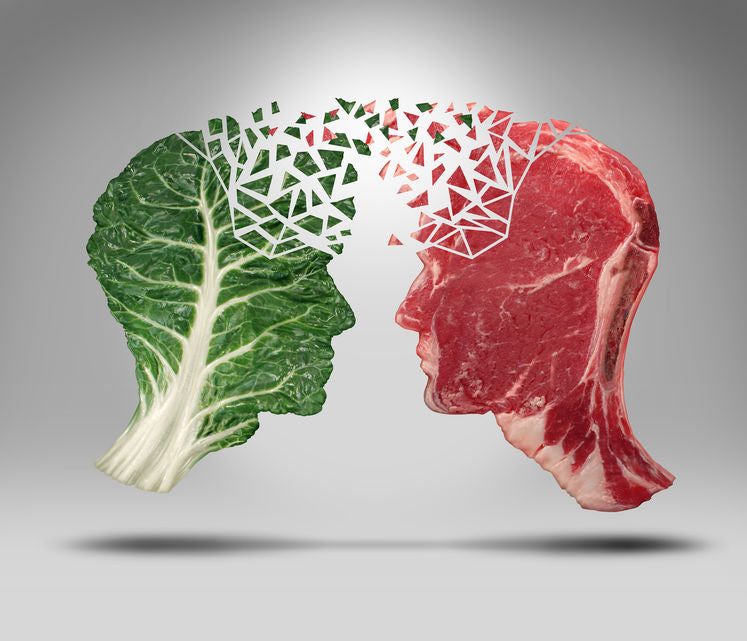










When a group of people meets for a meal today, very different dietary habits often come together. Some eat vegan or vegetarian, others pay attention to carbohydrates or sugar, while others simply eat whatever they feel like.
This diversity is perfectly normal. After all, different diets do not have to be a reason for arguments. What is crucial is that everyone is allowed to make their own personal choices while respecting the choices of others.
Why do people choose a vegan diet?
The reasons for a vegan diet vary greatly. For some, animal welfare and the desire to avoid animal products are the focus. Others explore a vegan lifestyle for ecological, ethical, or personal reasons.
Cultural, philosophical, or health considerations can also play a role. It is important to remember: there is no single reason why someone chooses to eat vegan.
Therefore, it makes sense to ask rather than make assumptions about another person's motives.
What should omnivores keep in mind when interacting with vegans?
Many misunderstandings arise not from the food itself, but from comments and prejudices.
Questions like “Why are you vegan, anyway?” are generally perfectly fine if they are meant honestly and respectfully. It’s a different story when it turns into a debate or a judgment of a personal choice.
Repeated jokes about a vegan diet can also quickly become annoying. What is meant to be funny to one person may have long been a familiar cliché to another.
Just as unhelpful are unsolicited dietary advice or sweeping statements that a vegan diet inherently provides too little protein or nutrients. As with any diet, it depends on the specific choice of foods and the balance of the diet.
What vegans can keep in mind when interacting with omnivores
Mutual respect also works both ways.
If you follow a vegan diet, you don’t have to convince anyone else to live vegan as well. You can, of course, share your experiences and recommend your favorite dishes. At the same time, however, everyone should be allowed to decide for themselves what ends up on their plate.
Derogatory comments about meat, dairy products, or other foods can also lead to unnecessary conflict. You don’t have to like or eat certain foods—and your friends and family members don’t have to make the same choices.
Tolerance doesn't mean that everyone has to eat the same thing.
The 5 most common questions for vegans
1. Where do you get your protein?
A varied vegan diet can include various plant-based protein sources. These include, for example, lentils, chickpeas, beans, peas, tofu, tempeh, and other legumes.
As with any diet, it comes down to the overall food selection and not any single food item.
2. Why do you eat meat substitutes if you don’t eat meat?
For many people, meat substitutes are simply part of a varied vegan diet.
Plant-based burgers, vegan sausages, or other meat alternatives can capture the taste, texture, and preparation methods that one might have enjoyed eating in the past.
Therefore, a vegan diet doesn’t automatically mean that all food must look or taste like meat—meat alternatives are simply another option.
3. You don’t drink milk, either?
There are now numerous plant-based alternatives available, for example, based on soy, oats, almonds, coconut, or other plant-based ingredients.
Which alternative tastes best is ultimately a matter of personal preference.
4. Why don't you eat honey?
Honey is an animal product and therefore not part of a vegan diet.
People who live vegan usually consciously avoid animal products. Instead, one can use, for example, maple syrup, dates, or other plant-based sweeteners.
5. Isn't a vegan meal plan boring?
Quite the opposite: a vegan diet can be very diverse.
From curries, rice and pasta dishes, to salads, soups, and bowls, all the way to dishes with tofu, tempeh, or seitan, there are numerous possibilities.
Tips for vegans and omnivores for interacting with each other
The most important point is quite simple: mutual tolerance and acceptance.
No one should have to justify what they eat. At the same time, no one should constantly try to convince others to adopt their own diet.
The omnivore doesn't have to talk the vegan into a steak. Conversely, the vegan shouldn't constantly urge the omnivore to try a specific vegan product.
What is absolutely not okay: slipping people food
An absolute no-go is knowingly sneaking someone food that does not align with their diet.
People who live vegan, for example, do not want to eat meat or dairy products. That should be respected.
Even a supposed "joke," where someone intentionally presents a non-vegan dish as vegan, can permanently damage the trust built when eating together.
How can tense situations be avoided?
Eating out
Many restaurants today have both classic dishes and vegetarian or vegan alternatives on the menu.
If in doubt, you can simply ask in advance. This avoids someone ending up without a suitable meal.
Inviting vegans home for a meal
If you invite friends to your home who follow a vegan diet, you should ask in advance what they can and want to eat.
Cooking an entirely vegan dish doesn't have to be a complicated challenge. Many dishes can easily be prepared vegan anyway.
Curries, vegetable stir-fries, soups, pasta, bowls, or salads, for example, offer numerous possibilities.
And perhaps you’ll even discover a new favorite dish.
Vegetarian or vegan?
When inviting someone, it is sensible to ask specifically.
Vegetarian does not automatically mean vegan. While vegetarians, depending on their personal diet, may eat dairy or eggs, for instance, animal foods are generally avoided in a vegan diet.
A quick inquiry in advance prevents misunderstandings and makes planning significantly easier.
What to do when visiting family?
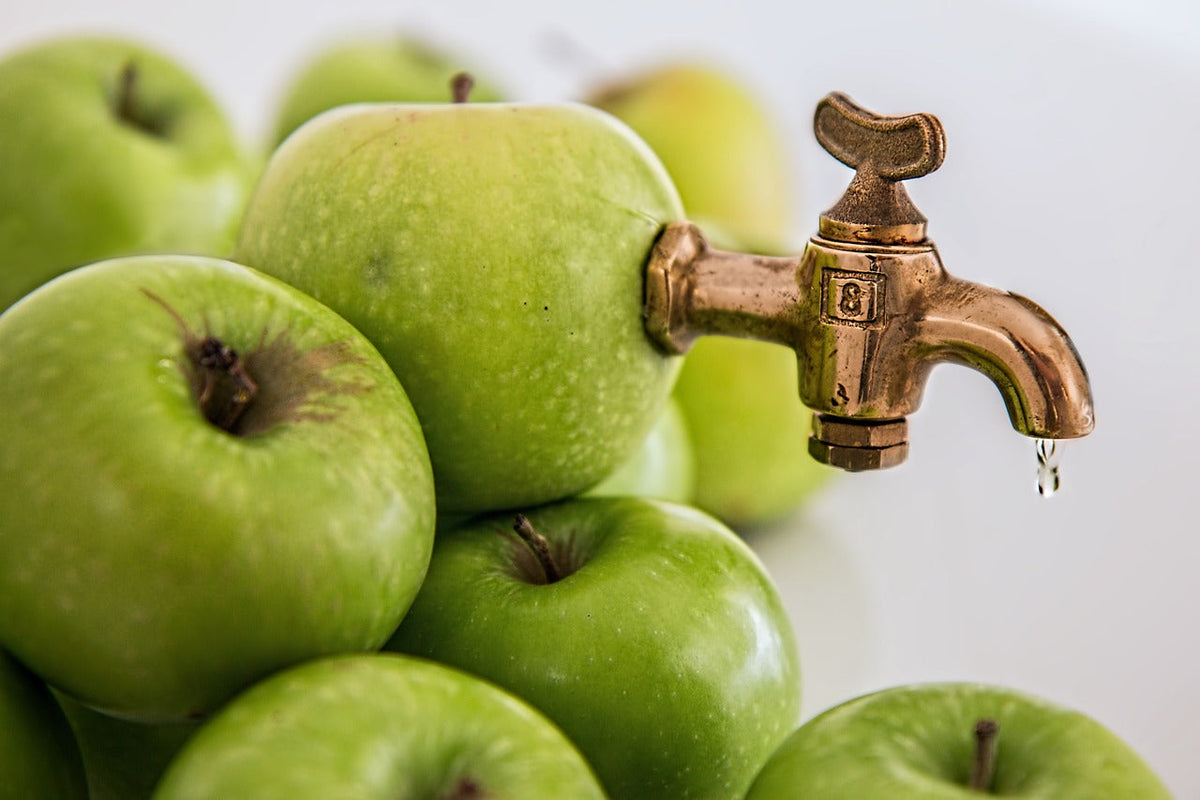
A homemade smoothie or freshly squeezed juice can also be a delicious addition if no suitable meal is available at the time.
Freshly squeezed juices are also easy to prepare and take on the go. Of course, it’s even better if a suitable selection is available for everyone during a shared meal.
Does it always have to be about meat-free?
No.
Even if one's own diet occupies an important place in one’s life, not every conversation has to revolve around it.
Just as vegans don't want to constantly justify their diet, omnivores don't want to hear during every shared meal why their diet is supposedly wrong or unhealthy.
Relaxed interactions work best when both sides respect each other’s personal decisions.
Conclusion: Eating together without arguments
Vegan or omnivore—when eating together, different dietary habits don't have to be a problem.
Open communication, mutual respect, and a little consideration are usually enough. No one has to adopt the other's diet. Everyone is allowed to decide for themselves what they want to eat.
And that is exactly what it's about: not everyone has to eat the same thing to have a good time together.